What Are the Top Harness Assembly Manufacturers in China?
Choosing a harness assembly manufacturer in China is not simply a matter of comparing prices. Buyers need to understand how a supplier handles drawings, material sourcing, crimping, soldering, labeling, and final inspection. A small defect can cause trouble later: a loose terminal, a mislabeled branch, or a connector that does not fit its mating part.
Toyota production expert Taiichi Ohno wrote, “We are reducing that time line by removing the non-value-added wastes.” The idea also matters in harness assembly. Clear work instructions, controlled processes, and practical inspection steps can reduce avoidable delays without sacrificing quality. The right manufacturer should be able to explain how it manages these details, not just promise fast delivery.
This guide looks at leading harness assembly manufacturers in China and the factors buyers can use to assess them. These may include product range, engineering support, traceability, production capacity, and communication during sampling. Certifications and factory claims deserve careful checking; a polished website alone proves little. Company rankings can also change as capabilities, ownership, and customer requirements shift. That is worth remembering.
Use the profiles as a starting point, not a final decision. Ask for relevant experience with your cable type, drawings, and target volumes. Request sample parts and review the inspection records where appropriate. A supplier that asks precise questions may be a better fit than one that gives instant assurances. Even then, no checklist removes every risk. The goal is a partner whose process you can understand, verify, and improve together.
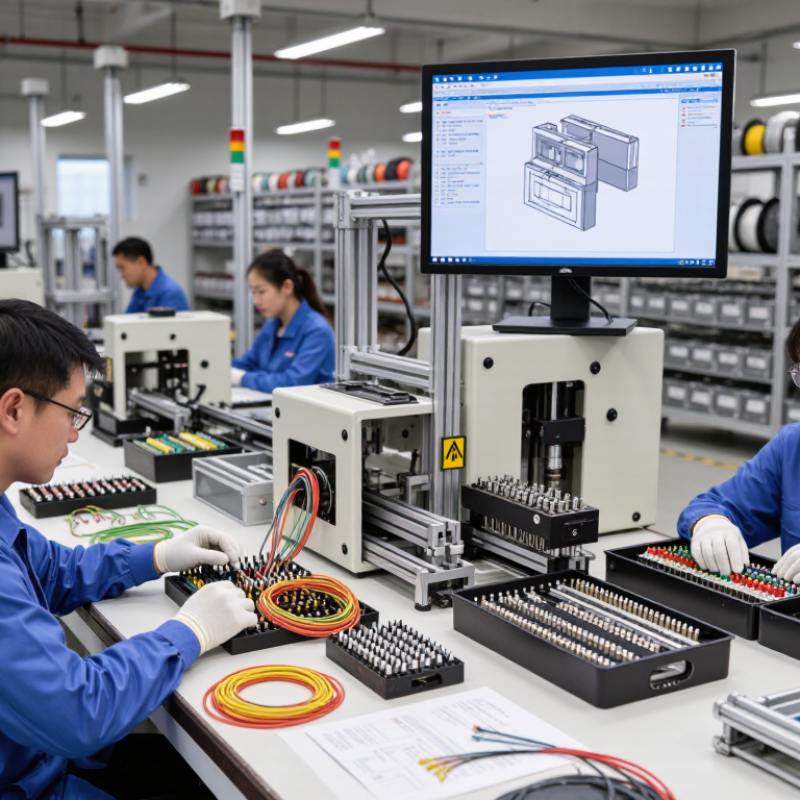
What Is Harness Assembly and Where Is It Used?
Harness assembly is the organized combination of wires, terminals, connectors, seals, and protective coverings into a routed electrical network. It carries power and signals between components while helping prevent shorts, abrasion, and loose connections. Each branch is cut, stripped, crimped, and checked against a design.
Small details matter.
These assemblies appear in cars, appliances, factory equipment, medical devices, and communication systems. In vehicles, they connect batteries, sensors, lighting, controls, and displays. The International Energy Agency’s Global EV Outlook 2024 reports nearly 14 million electric cars were sold in 2023, about 18% of global car sales. Electrification brings more high-voltage connections and stricter demands for insulation, routing, and reliable contact.
Not just wires.
Assembly quality depends on accurate drawings, suitable materials, and repeatable testing. Manufacturers commonly check electrical continuity and inspect crimps, connector locks, and protective sleeves. A harness may pass a bench test yet still rub against a sharp edge after installation.
That gap deserves attention.
Good design must account for real routing, vibration, heat, and service access—not only a tidy drawing.
How Is China’s Harness Assembly Industry Structured?
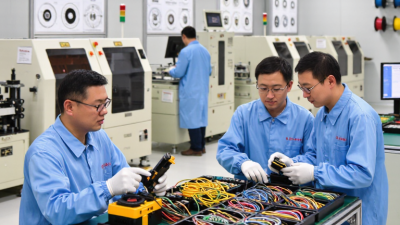
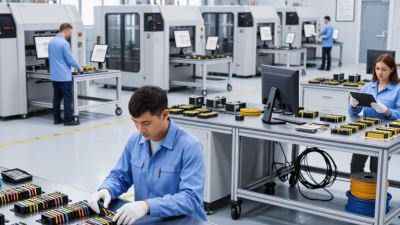
China’s harness assembly industry is structured around several connected layers: wire and terminal suppliers, connector and protection-component makers, harness assemblers, and vehicle or equipment manufacturers. Assemblers cut, strip, crimp, route, and bundle wires to customer drawings. On a factory floor, labeled branches and sealed connectors must match precise lengths and fit points. Small errors can delay installation.
Demand is closely linked to vehicle production. The China Association of Automobile Manufacturers reported 31.282 million vehicles produced in 2024, including 12.888 million new-energy vehicles. These volumes support large-scale production, while electric vehicles require distinct high-voltage cable assemblies alongside conventional low-voltage wiring. Suppliers often work near major automotive manufacturing bases, helping manage delivery timing and engineering changes. Still, proximity alone does not guarantee quality; traceability, crimp-force checks, and electrical continuity tests matter.
The chain also serves appliances, industrial machinery, and other equipment, so not every assembler has the same capabilities. Some specialize in high-volume automotive orders; others handle smaller, customized batches. One limitation in public industry reporting is that harness assembly revenue is rarely separated cleanly from broader components data. Buyers should therefore compare process controls and sample-validation records, not rely on market-size claims alone.
Which Types of Manufacturers Lead the Chinese Market?
China’s harness assembly market is led by automotive-focused manufacturers, especially large suppliers capable of handling design, testing, and high-volume production. The China Association of Automobile Manufacturers reported 30.16 million vehicles produced in 2023. That scale supports demand for complete vehicle wiring systems, from dashboard branches to weather-sealed connectors beneath the chassis. These suppliers often serve automakers directly or through tier-one supply chains.
Electric-vehicle harness specialists are another growing group. The International Energy Agency’s Global EV Outlook 2024 reported that China accounted for about 60% of global electric-car sales in 2023. High-voltage cables, battery connections, and thermal-management wiring require different insulation and validation processes than conventional low-voltage assemblies. Small details matter. A poorly routed cable can face vibration, heat, or abrasion over years of use.
Industrial and electronics contract manufacturers also compete, serving equipment, telecom, and renewable-energy projects with customized harnesses and flexible production runs. Their strength is adaptability, though they may lack the automotive testing depth of established vehicle suppliers. That distinction is easy to overlook. Production capacity alone does not prove reliability; buyers should also review traceability, connector sourcing, and documented electrical and environmental testing. Industry figures indicate scale, but they do not rank individual manufacturers.
What Are the Top Harness Assembly Manufacturers in China?
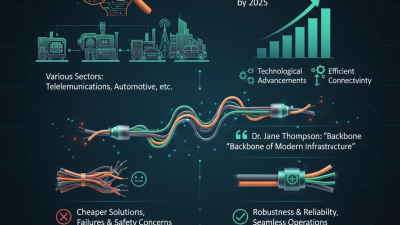
China’s harness assembly market includes automotive Tier suppliers, specialized harness assemblers, and electronics or industrial contract manufacturers. Which type leads depends on the application and customer requirements; the chart shows a typical production sequence, not a company ranking or market-share estimate.
Typical workflow: wire preparation, terminal attachment, connector assembly, bundling and protection, electrical testing, and final inspection. Actual processes vary by harness design and manufacturer.
What Capabilities Set Top Harness Assembly Manufacturers Apart?
Top harness assembly manufacturers in China stand out through disciplined engineering and repeatable production, not simply competitive pricing. A capable team reviews drawings, connector specifications, wire gauges, and routing constraints before production begins. It can flag tight bend radii or unclear pin assignments early. Small details matter. Prototype builds also reveal whether the harness fits real equipment, not just a screen model.
Strong manufacturers control crimp height, pull force, and terminal positioning with documented checks. They use continuity and insulation tests to catch wiring errors before shipment. Clear lot records help connect materials and inspection results to each batch. Ask how engineering changes are approved and communicated; a rushed revision can leave old and new versions mixed on the line. No process removes every risk, so transparent corrective-action records are valuable.
Tips: Request a sample build, inspection criteria, and a recent test report. Confirm who handles drawing revisions and what happens when a defect appears. Compare communication quality, too. A polished quotation is useful, but clear technical answers are better evidence of capability.
How Can Buyers Evaluate Chinese Harness Assembly Suppliers?
When evaluating Chinese harness assembly suppliers, look beyond quoted price and production capacity. Ask how they control wire cutting, stripping, crimping, labeling, and final inspection. Request sample records for crimp-height checks, pull tests, and continuity tests. The records should identify dates, specifications, and responsible inspectors.
Review the supplier’s process documents against your drawings and acceptance criteria. Confirm how they manage approved components, lot traceability, and design changes. A sample can reveal workmanship, but it cannot prove consistent production. Test several units, including connectors and branch points, where loose crimps or incorrect routing may be harder to spot. Ask to see how rejected assemblies are recorded and corrected. Details matter.
Communication is part of quality. Send a drawing revision and ask the supplier to explain its impact before production begins. Notice whether questions are specific or simply met with “no problem.” That phrase is reassuring, but not evidence. A factory visit or live video review can help verify workstations, inspection tools, and storage conditions. Remote checks have limits; lighting and camera angles can hide small defects. No checklist is perfect. Keep evaluation notes, compare responses, and revisit weak points before placing a larger order.