Why Is Cable Assembly Essential for Your Business Needs?
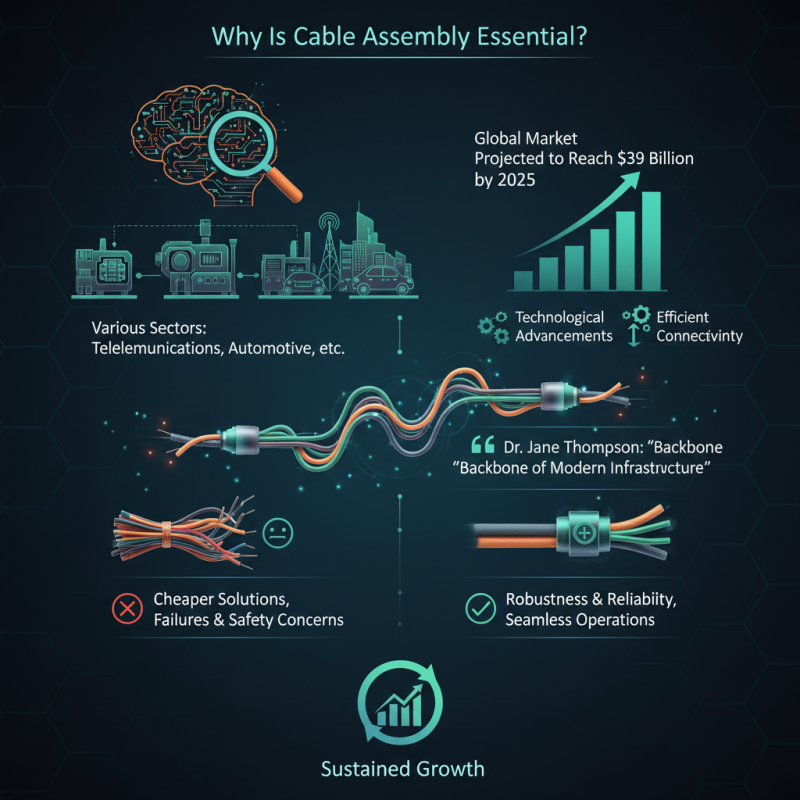
In today's competitive landscape, cable assembly plays a crucial role in various sectors, from telecommunications to automotive industries. A recent report by Market Research Future highlighted that the global cable assembly market is projected to reach USD 39 billion by 2025, reflecting a steady growth driven by technological advancements and increased demand for efficient connectivity solutions.
Experts emphasize the importance of reliable cable assembly systems. According to Dr. Jane Thompson, a renowned specialist in electrical engineering, “Cable assembly is the backbone of modern infrastructure.” Her insight reminds us that without high-quality assemblies, businesses risk inefficiencies and operational failures.
Yet, some companies still overlook this indispensable component. They may opt for cheaper solutions, leading to functional failures or safety concerns. As technology evolves, prioritizing robustness and reliability in cable assemblies becomes imperative, ensuring seamless operations and sustained growth.
Understanding Cable Assembly: The Backbone of Connectivity
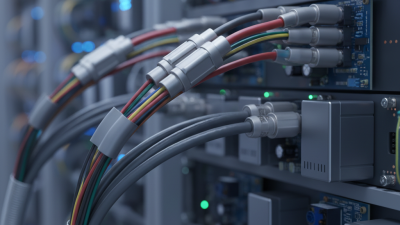
Cable assembly acts as the backbone of connectivity in various industries. It facilitates communication between devices, ensuring smooth operation. Every cable in an assembly serves a unique purpose, from power delivery to data transmission. Understanding these functions is crucial for optimizing performance.
In modern businesses, cable assemblies are often overlooked. Many focus solely on devices, neglecting the importance of reliable connections. Poor cable management can lead to downtime. This creates a ripple effect that affects productivity. It's essential to recognize that even the best technology requires quality connections.
Effective cable assembly design considers environmental factors. Temperature, humidity, and physical strain can impact performance. Yet, many businesses still struggle to address these challenges. Regular audits and assessments can reveal hidden issues. Moreover, employee training on cable management can foster better practices. Emphasizing adherence to standards can enhance reliability and ultimately support business growth.
Key Components of Cable Assembly and Their Functions
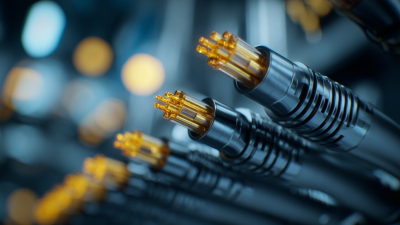
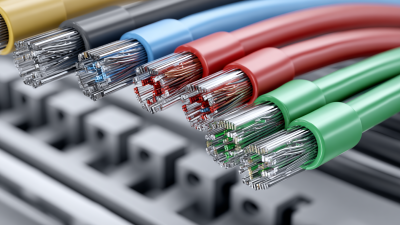
Cable assembly plays a critical role in various industries, serving as a bridge for electrical connections. It consists of several key components, each with specific functions. Wires, connectors, and cable jackets are essential parts. Wires carry current efficiently, while connectors ensure secure physical links. The cable jacket protects against environmental factors.
Choosing the right materials is crucial for optimal performance. Consider insulation type and thickness for durability under specific conditions. A well-assembled cable can prevent malfunctions and reduce downtime. Often, companies overlook the importance of quality in cable assembly. Skimping on materials may lead to failures.
Tip: Regularly inspect cable assemblies for wear and tear. Early detection of issues can save resources. Investing in high-quality assemblies may seem costly, but the long-term benefits outweigh the initial expense. Ensuring the integrity of your cables promotes reliability in your operations.
The Impact of Quality Cable Assembly on Business Efficiency
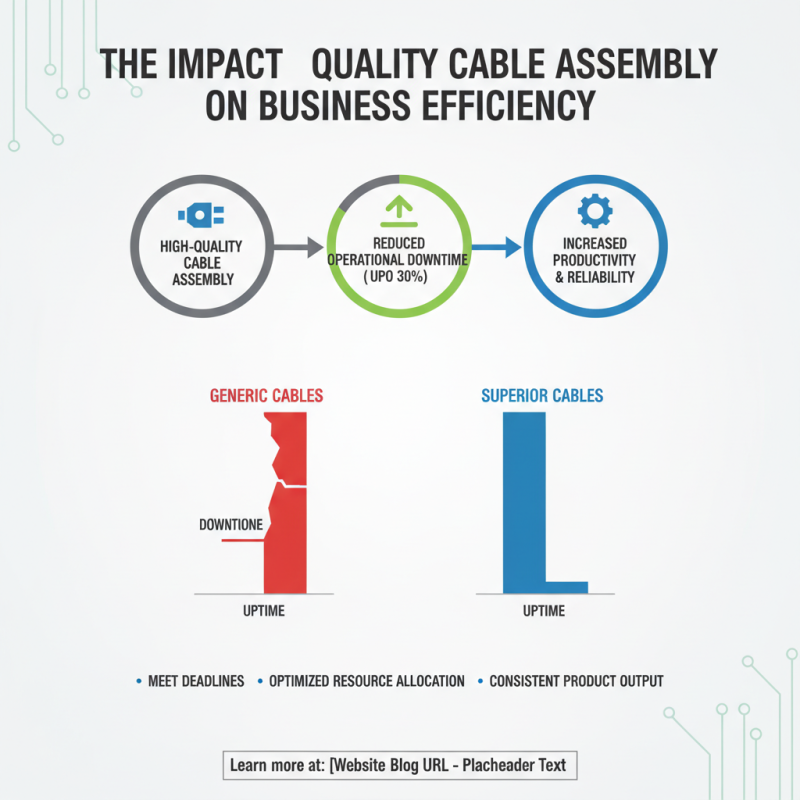
In today's competitive landscape, the quality of cable assembly directly influences business efficiency. Research from Industry Analysts indicates that high-quality, well-designed cable assemblies can reduce operational downtime by up to 30%. This reduction leads to increased productivity, allowing businesses to allocate resources more effectively. Companies are more likely to meet deadlines and maintain a reliable product output when using superior cable assemblies.
However, not all cable assemblies are created equal. Poor quality can result in frequent malfunctions, leading to costly repairs and extended downtime. A recent report noted that organizations with unreliable cable assemblies experienced an 18% decrease in overall efficiency. The impact on employee morale and customer satisfaction can be substantial. It's critical to prioritize development and inspection processes for cable assemblies, as these factors heavily determine the longevity and reliability of the final product.
Investing in cable assembly isn't just about immediate costs; it's about long-term gains. Companies that focus on top-tier assembly practices can see significant improvements in operational workflows. A study found that businesses with reliable cable systems reported a 25% increase in output. This correlation underscores a vital truth: high-quality cable assembly is not merely beneficial; it is essential for sustainable growth.
Custom vs. Standard Cable Assemblies: Which is Right for You?
Choosing between custom and standard cable assemblies can be challenging for businesses. Custom cable assemblies provide tailored solutions, meeting specific requirements. According to a recent industry report, 70% of companies utilizing custom assemblies reported improved performance in their systems. Custom solutions can enhance reliability and durability, which are critical in demanding environments.
On the other hand, standard cable assemblies often come with shorter lead times and lower costs. They are readily available and can meet general needs effectively. Approximately 60% of businesses find standard options sufficient for basic applications. However, relying solely on standard products might not be ideal for companies with unique specifications or any complexity. Businesses need to assess their own requirements carefully.
Reflecting on these aspects, the decision should not be hurried. It’s essential to weigh the benefits of customization against the cost-effectiveness of standard options. A mismatch could lead to performance issues or unexpected downtimes. Engaging with experts who understand industry trends and technologies can provide valuable insights.
Future Trends in Cable Assembly Technology for Businesses
As businesses increasingly rely on advanced technology, cable assembly is evolving rapidly. A recent report indicates that the global cable assembly market is projected to grow at a CAGR of 6.1% between 2023 and 2028. This growth is driven by the demand for high-speed data transmission and connectivity solutions across various sectors, including telecommunications and automotive.
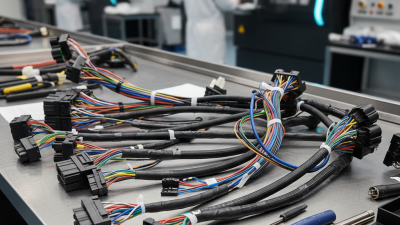
Future trends in cable assembly technology highlight the integration of automation and artificial intelligence in manufacturing processes. Reports suggest that by 2025, up to 30% of cable assembly production could be automated. This shift aims to enhance precision and reduce operational costs. However, challenges remain. Companies must balance automation with skilled labor to maintain quality and innovation.
Sustainability will also shape the future of cable assembly. Manufacturers are exploring eco-friendly materials and practices. For example, the use of recycled plastics in cable insulation is gaining traction. While these initiatives are promising, the industry faces hurdles in material sourcing and product performance. Overall, the evolution of cable assembly technology is critical for businesses striving to stay competitive and efficient in a rapidly changing market.