Why Choose Professional Electrical Harness Assembly?
Choosing professional electrical harness assembly is not simply a purchasing decision. It is a reliability decision made before a machine ever receives power.
A professional team combines controlled cutting, accurate crimping, terminal inspection, and disciplined routing. Each detail matters. A loose terminal can create heat. A poorly supported branch can vibrate against a metal edge. Months later, that small weakness may become an expensive failure.
John W. Mitchell, former president and CEO of IPC, has often emphasized a principle relevant to harness manufacturing: “Quality is not inspected into a product; it is built into every process.” This idea explains why experienced assemblers use documented work instructions, calibrated tools, traceable materials, and repeatable testing. Their work is not based on appearance alone. It is checked through continuity tests, pull-force verification, visual inspection, and, when required, high-voltage testing.
There is no magic shortcut.
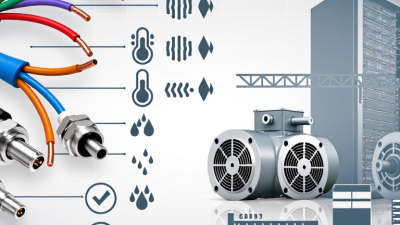
Professional electrical harness assembly also brings practical experience to difficult designs. Engineers can identify tight bend radii, incompatible insulation, inadequate strain relief, and connector-mating risks before production begins. They can adapt assemblies for vibration, moisture, heat, and limited installation space.
Still, professional work is not automatically perfect. Drawings can be unclear. Supplier materials can vary. Human mistakes remain possible. That is why strong suppliers welcome review, record deviations, and improve their process after problems appear. The best choice is not the cheapest harness. It is the supplier that can prove consistency, communicate honestly, and protect performance from the first cut wire to final installation.
What Is Professional Electrical Harness Assembly?
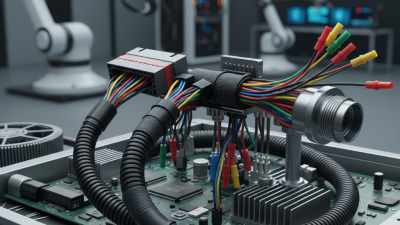
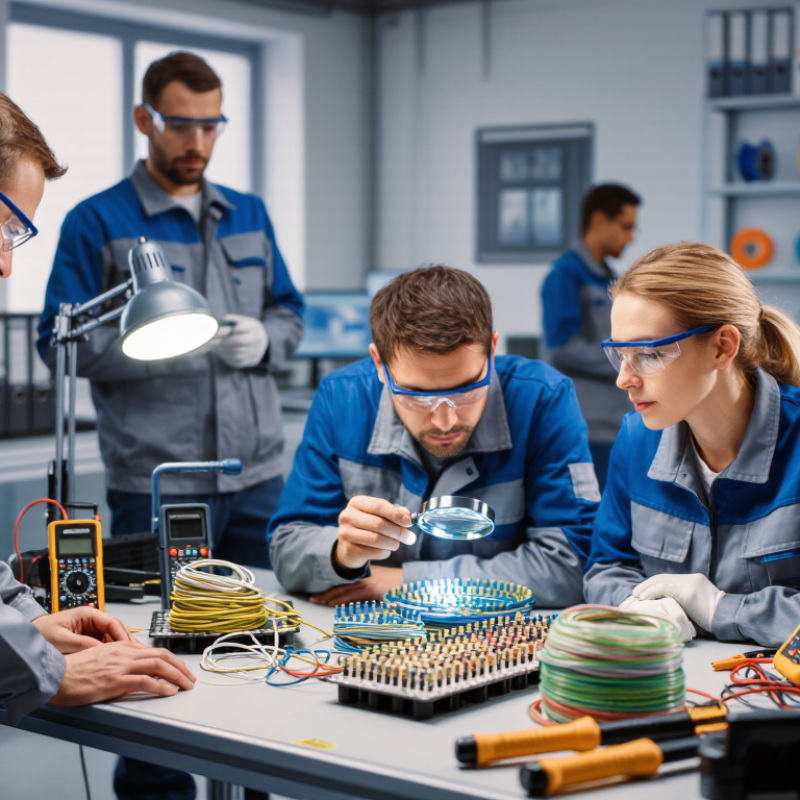
Professional electrical harness assembly is the controlled process of turning wires, terminals, connectors, sleeves, and protective coverings into a tested electrical system. Each wire is cut to a specified length, stripped carefully, and joined with the correct terminal. Skilled technicians also check crimp height, pull strength, continuity, and insulation clearance.
Small details matter. A loose crimp may pass a quick visual inspection but fail under vibration. Poor routing can place pressure on a connector near a sharp metal edge. Professional assembly uses approved work instructions, calibrated tools, traceable materials, and inspection records. Technicians may label each circuit, verify pin positions, and perform electrical tests before release.
Experience improves judgment, but it does not remove uncertainty. A first drawing is rarely perfect. During assembly, technicians may discover that a bend radius is too tight or that a service loop is difficult to access. Those findings deserve review, not silent correction. Design engineers and assembly specialists can then adjust the layout, clarify tolerances, and prevent repeated errors. The best harness work is not merely neat. It is consistent, testable, repairable, and suited to real operating conditions. Even a simple harness needs disciplined handling.
Why Choose Professional Electrical Harness Assembly?
What Is Professional Electrical Harness Assembly?
Professional electrical harness assembly is the controlled process of cutting, stripping, terminating, routing, bundling, and testing wires and cables into a reliable harness. Correct conductor selection is essential because resistance affects voltage drop, heat generation, and circuit performance.
Nominal resistance of copper conductors at 20°C, shown by American Wire Gauge (AWG) size. Larger conductors have lower resistance, helping professional assemblers meet electrical, thermal, routing, and testing requirements. Actual harness performance also depends on conductor length, temperature, terminals, and contact resistance.
How Is a Professional Electrical Harness Assembled?
Professional electrical harness assembly begins with a controlled process, not simply joining wires. Engineers review schematics, current requirements, insulation ratings, bend limits, and connector positions. Technicians cut wires to measured lengths, remove insulation carefully, and attach terminals with calibrated crimping tools. Each crimp needs the correct pressure. A loose connection can heat up. A damaged conductor may fail later. Assemblers then route wires through sleeves, clips, seals, or protective tubing. They maintain clear labels and consistent branch spacing. These details support dependable installation and easier maintenance.
Quality control continues throughout the build. Operators inspect terminal height, pull strength, polarity, and continuity. A test board or digital meter can reveal an open circuit before shipment. Complex harnesses may receive insulation resistance, high-voltage, or functional testing when specifications require it. Traceable records connect each harness to its materials, tools, operator, and inspection results. This evidence strengthens reliability and supports professional accountability. Still, no process is perfect. A rushed inspection, unclear drawing, or overlooked bend radius can create trouble. That weakness deserves review, not concealment.
Tips: Confirm the latest drawing before cutting. Use gauges for critical crimps. Keep connectors capped during handling. Photograph unusual routing before packaging. Test continuity after final wrapping, not only before it. Store harnesses away from moisture, sharp edges, and excessive heat. Document any adjustment, even a small one.
Which Quality Controls Ensure Harness Reliability?
Professional electrical harness assembly depends on disciplined quality controls, not just skilled handwork. Incoming materials should be checked against drawings, wire specifications, terminal types, and insulation requirements. Small details matter. A damaged seal or mismatched contact can cause failure months later.
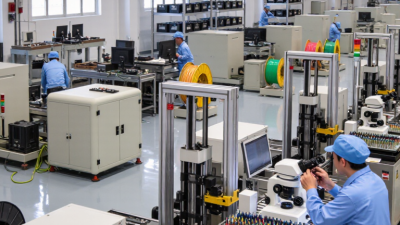
During assembly, trained technicians follow controlled work instructions and verified tooling settings. Crimp height, pull strength, conductor position, and terminal locking must be inspected. Automated crimp-force monitoring can detect irregular pressure before defects spread. Visual checks should confirm routing, labeling, bend radius, and connector orientation. Continuity testing verifies every circuit. Insulation-resistance and dielectric-strength tests help identify hidden risks between conductors. That test is essential.
Reliable production also requires traceability. Each harness should connect to material batches, tooling records, inspection results, and operator checks. Sample audits can reveal issues that routine testing misses. Environmental testing may expose weaknesses caused by heat, vibration, moisture, or repeated flexing. In practical assembly work, a clean test report can still hide a poorly supported branch or a seal installed unevenly. No process is flawless. Reviewing near-misses and adjusting work instructions keeps quality controls useful rather than ceremonial. Independent inspections add credibility when harnesses support safety-critical equipment. Clear acceptance criteria make every decision easier to verify.
How Does Professional Assembly Improve Safety and Performance?
Professional electrical harness assembly improves safety by controlling every connection, route, and protective layer. Technicians follow IPC/WHMA-A-620 workmanship requirements, then inspect crimps, insulation, labels, and strain relief. These steps reduce loose terminals, exposed conductors, and incorrect pin locations.
The risk is measurable. The National Fire Protection Association’s Home Structure Fires report found that electrical distribution and lighting equipment caused about 32,000 fires annually from 2016 to 2020. These incidents also caused approximately 470 deaths and 1,100 injuries each year. A harness does not prevent every fault. However, verified assembly can reduce avoidable wiring errors before equipment reaches the field.
Professional teams also test continuity, insulation resistance, and dielectric strength. They use controlled wire stripping, calibrated crimp tools, and documented inspection records. This consistency supports stable signal quality and lower resistance across repeated production runs. In practical work, a correctly supported harness bends smoothly near a connector instead of pulling against it. Small details matter.
I still question “100% error-free” claims. People can miss damaged insulation or misread a drawing. That is why layered inspection matters. Design review, operator training, automated testing, and final visual checks provide stronger protection than one inspection alone. Data from the IPC Electronics Industry Survey repeatedly identifies quality pressure and skilled-labor shortages as major manufacturing concerns, making documented professional processes increasingly valuable.
When Should Businesses Choose a Professional Assembly Partner?
Businesses should choose a professional electrical harness assembly partner when wiring becomes too complex for consistent in-house production. This often happens when a product includes multiple connectors, tight routing spaces, or repeated cable lengths. A small mistake can cause intermittent signals, heat buildup, or costly rework. Professional assemblers use documented work instructions, controlled tooling, and inspection points to reduce these risks.
Volume is another practical trigger. Manual assembly may work for early prototypes, but larger orders demand repeatable output. A qualified partner can manage material preparation, crimp-force checks, continuity testing, and final visual inspection. Ask how defects are recorded and corrected. Reliable records matter when a customer reports one unusual failure months later. They also show whether the supplier truly controls its process.
Choose outside support when internal staff lack specialized equipment or electrical assembly experience. This is especially useful for medical, industrial, transportation, and automation applications with strict performance requirements. However, outsourcing is not automatically better. It can add communication delays and hidden costs. That assumption deserves checking. Review drawings together, confirm change-control procedures, and request sample assemblies before production. A professional partner should explain limitations clearly, protect revision accuracy, and provide evidence of testing rather than relying on confident promises.