How to Choose the Best Battery Terminal Assembly for Your Needs?
Choosing the right battery terminal assembly can be challenging. With the variety of options available, making an informed decision is crucial. Industry expert John Smith, a veteran in battery technology, emphasizes, "A quality battery terminal assembly ensures optimal performance and safety." This highlights the importance of selecting the right component.
When evaluating different assemblies, consider the materials. High-quality copper or brass offers superior conductivity. Additionally, look for corrosion-resistant coatings. An assembly that is poorly constructed may lead to voltage drops or failures. Such issues can occur from overlooked details.
Ultimately, don’t rush the decision. Take the time to assess your specific needs. What works for one application may not suit another. A well-chosen battery terminal assembly contributes to system reliability and efficiency. Reflect on your choices to avoid unnecessary complications in the future.
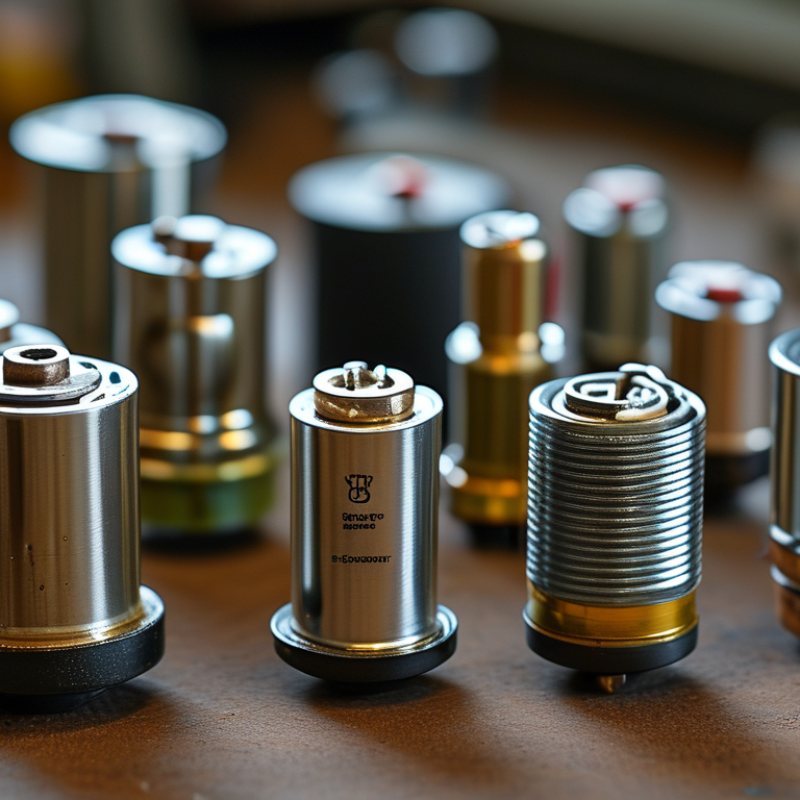
Understanding Battery Terminal Types and Their Functions
When it comes to battery terminals, understanding the types is crucial. There are two main types: lead and side post terminals. Lead terminals are common in many vehicles. They're easy to connect and reliable. Side post terminals, on the other hand, offer a compact design. They are often found in newer cars. Knowing which type your vehicle uses will save you time and effort during installation.
Each terminal type has a specific function. Lead terminals are designed for high power transfer. They provide a solid connection for larger batteries. Conversely, side posts are ideal for tight spaces. They also reduce the risk of corrosion. However, some users have noted that side post connections can be harder to tighten properly. Regular inspection is necessary to ensure a secure connection.
Selecting a battery terminal assembly involves considering compatibility and ease of use. Check the specifications of your battery. Look for features that suit your installation style. While some prefer clamp-style connectors, others might favor bolt-style ones. Consider the environment too; exposure to moisture can rust terminals. Reflect on your needs and choose wisely.
Factors to Consider When Selecting Battery Terminal Assemblies
When selecting a battery terminal assembly, several factors should be considered. First, materials play a significant role. Look for corrosion-resistant options for longevity. Many terminals are made from copper or lead. Each has benefits depending on your specific needs. Copper terminals provide excellent conductivity, while lead is often heavier and may offer a slight advantage in durability.
Another critical aspect is the size and compatibility. Ensure the terminal fits your battery type. Mismatched sizes can lead to poor connections. Check both gauge and terminal design. Some assemblies are designed for specific applications. This specificity can prevent unnecessary complications.
Choosing the right assembly can often feel overwhelming. Sometimes, you might overlook the importance of secure connections. Insecure fit can lead to voltage drops. This might not show immediately, but can cause problems over time.
Keep in mind, installation can impact functionality. Proper installation ensures reliability in performance. Always double-check connections after installation. Regular maintenance checks can save you from future issues. Taking these simple steps can help you maintain optimal battery performance for longer.
Material Options for Battery Terminals: Pros and Cons
When selecting a battery terminal assembly, understanding the material options is crucial. Common materials include copper, aluminum, and lead. Each has its advantages and drawbacks that can affect performance.
Copper terminals are highly conductive. They offer excellent electrical efficiency but are prone to corrosion. Regular maintenance is necessary to prevent oxidation. On the other hand, aluminum terminals are lightweight and cost-effective. However, they may not provide the same level of conductivity as copper. Users might notice issues over time if connections are not secure.
Lead terminals are known for durability and resistance to corrosion. They can withstand harsh conditions, making them a popular choice in extreme environments. However, lead is heavier and can be less efficient in terms of conductivity. Choosing a terminal involves considering factors such as installation environment and frequency of use. The right choice can lead to better performance and lower maintenance needs.
Installation Tips for Battery Terminal Assemblies
Installing a battery terminal assembly requires attention to detail. Beginners often overlook the importance of cleaning the battery posts. This step ensures a solid connection and prevents corrosion. Using a wire brush can help remove any stubborn grime. Be cautious and wear gloves, as battery acid can be harsh.
When connecting the terminals, always ensure the positive and negative ends are correctly aligned. Mistakes here can lead to electrical shorts or damage. Tightening the connections is crucial, but over-tightening can cause the terminal to crack. A gentle hand will go a long way in maintaining the integrity of the assembly.
Don’t rush through the installation. Take your time to double-check all connections. Listen for any unusual sounds when the battery is in use. If things seem off, revisiting the installation can help. Committing to a careful installation process initially will pay off in the reliability of your power source later on.
Maintenance Best Practices for Reliable Battery Connections
Regular maintenance of battery connections is crucial for optimal performance. Properly maintained terminals ensure a solid electrical connection, minimizing the risk of failure. A study by the Electric Power Research Institute found that poor connections can lead to a 20% reduction in battery efficiency. This emphasizes the need for regular inspection and cleaning.
Corrosion is a common issue that affects battery terminals. A solution of baking soda and water effectively neutralizes acid buildup. When applied, it helps restore conductivity. After cleaning, consider using a protective terminal spray to prevent future corrosion. Regularly tightening connection bolts also prevents loose connections, which can lead to power loss.
Excessive wear on terminals can indicate deeper issues within the system. Periodic checks can save time and resources. Identify signs like discoloration or the presence of green or white residue. Professionals recommend checking connections at least every six months, or more frequently in harsh conditions. Implementing these practices can enhance the lifespan and reliability of your battery system.
How to Choose the Best Battery Terminal Assembly for Your Needs? - Maintenance Best Practices for Reliable Battery Connections
| Feature |
Description |
Recommended Material |
Maintenance Tip |
| Corrosion Resistance |
Ability to withstand oxidation and ensure longevity. |
Tinned copper or brass |
Regularly apply anti-corrosion spray. |
| Ease of Installation |
Should be easy to attach and detach without tools. |
Quick-connect terminals |
Ensure all components are clean before installation. |
| Current Rating |
The maximum current the terminal can safely handle. |
Heavy-duty copper |
Monitor for overheating during use. |
| Size Compatibility |
Fits the specific battery configuration. |
Universal fit terminals |
Check dimensions before purchase. |
| Durability |
Withstands physical stress and heat. |
Reinforced plastics or metals |
Inspect for wear and tear regularly. |