How to Choose the Best Cable and Harness Assembly for Your Needs?
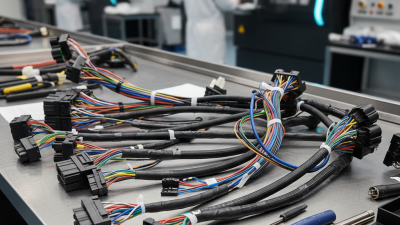
Choosing the right cable and harness assembly for your projects can be a daunting task. There are numerous factors to consider. Each application has unique specifications and needs. Understanding these requirements is crucial for success.
Cable and harness assemblies are not one-size-fits-all. Different industries demand different solutions. This variability can lead to confusion and mistakes. Having the right components can significantly enhance performance and safety.
It's important to evaluate your specific needs and the environment in which the assembly will operate. Conducting thorough research is essential. Consulting with experts can provide valuable insights. Don't rush the decision-making process. A thoughtful approach can save time and resources in the long run.
Understanding Cable and Harness Assembly Basics
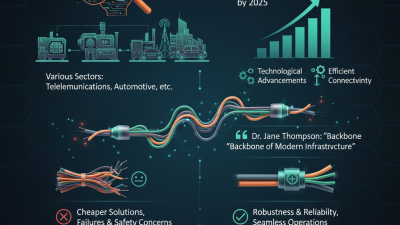
When considering cable and harness assembly, it’s crucial to grasp the basics. These assemblies act as the backbone for various electronic systems. They play a significant role in sectors like aerospace, automotive, and telecommunications. According to industry reports, the global cable assembly market is expected to reach over $80 billion by 2027, reflecting a growing demand for these components.
Cable and harness assemblies consist of wires, connectors, and protective sheathing. Understanding their components helps in making informed choices. For instance, selecting the right gauge wire is vital for ensuring optimal performance. A report from the Wiring Harness Manufacturers Association indicates that incorrect gauge choices can lead to overheating issues. Experts recommend evaluating the current load and environmental conditions to make accurate decisions.
Quality matters immensely in cable assemblies. Not all manufacturers adhere to the same standards. A recent ISO survey revealed that only 64% of companies met quality benchmarks consistently. This underlines the importance of choosing reputable sources. Conducting thorough research and obtaining certifications can help mitigate risks. Knowledge gaps in this area can lead to critical failures, impacting overall system reliability. Understanding these fundamentals can enhance your selection process significantly.
Identifying Your Specific Requirements and Applications
Choosing the right cable and harness assembly starts with understanding your specific requirements. Identify the environment where the assembly will be used. Will it be exposed to extreme temperatures, moisture, or vibration? These factors significantly affect the materials and construction methods you should consider. For instance, durable insulation and sturdy connectors may be necessary in harsh conditions.
Next, analyze the application itself. Are you using the assembly for automotive, industrial, or medical purposes? Each sector has its own standards and certifications. Take into account the electrical load and signal type. This will guide you in selecting the appropriate wire gauge and connector types. Failure to match these specifications could lead to malfunctions.
It is essential to assess your future needs as well. Consider scalability and potential modifications. Sometimes, people focus solely on immediate demands. However, future expansions can become a challenge if the initial choices were not thoughtful. Reflect on long-term goals when making your selection. Ultimately, understanding your specific requirements is crucial for optimizing performance and reliability.
Evaluating Materials and Components for Durability and Performance
When selecting a cable and harness assembly, the choice of materials and components significantly impacts durability and performance. High-quality materials are essential for ensuring longevity under challenging conditions. Recent industry reports indicate that assemblies made from thermoplastic elastomers exhibit a 30% increase in tensile strength compared to traditional rubber components. This strength is crucial for applications exposed to extreme temperatures or mechanical stress.
Moreover, connectors play a vital role in assembly performance. Studies show that corrosion-resistant materials, such as stainless steel or gold-plated contacts, can enhance operational reliability by up to 40%. This is particularly important in environments with moisture or chemical exposure, where failure can lead to costly downtimes. The importance of testing these materials under real-life conditions cannot be overstated. Many assemblies may look robust but fail under stress, highlighting the need for rigorous evaluation processes.
It's also worth noting that not every assembly will meet all needs. For instance, lightweight options may sacrifice some strength for ease of handling. Understanding the balance between weight and durability is essential for optimal performance. In some cases, engineers may need to adjust specifications based on field-testing results, which can expose weaknesses not apparent in initial designs. This iterative approach is crucial for achieving the best outcomes in cable and harness assembly selection.
Durability and Performance of Cable and Harness Assembly Materials
This bar chart illustrates the durability ratings of different materials commonly used in cable and harness assemblies. Ratings range from 1 to 10, with higher values indicating superior durability.
Assessing Manufacturer Capabilities and Quality Standards
Choosing the right cable and harness assembly is crucial for any project. Assessing manufacturer capabilities and quality standards can significantly impact your decision. A reliable manufacturer should provide detailed information about their certifications. Look for compliance with industry standards. This ensures that the products meet safety and performance requirements.
Pay attention to production processes as well. Quality manufacturers will share their testing methods and material sources. Inquire about their quality control measures. Regular inspections can reveal a manufacturer's commitment to excellence. It's valuable to ask for samples before making a bulk purchase. This allows you to evaluate the product quality firsthand.
When discussing capabilities, consider flexibility in design. A good manufacturer should accommodate custom requests to suit specific needs. Don't hesitate to ask about past projects. This can give you insights into their experience and expertise. Finally, establish clear communication with the manufacturer. Transparent dialogue can prevent misunderstandings and ensure that your requirements are met adequately.
Comparing Costs and Lifespan for Long-term Value
When choosing cable and harness assemblies, understanding costs and lifespan is crucial. Various materials and designs influence these factors significantly. High-quality materials generally come with a higher initial price. However, they often provide better durability and longer lifespans. Investing in premium options could lead to cost savings over time.
Lifespan varies depending on the application and environmental conditions. For example, a harness exposed to extreme temperatures may degrade quickly. Regular maintenance can extend the life of assemblies, but it's often overlooked. This aspect is worth considering when estimating long-term value.
Taking the time to assess these elements can prevent unexpected expenses. It's essential to weigh immediate costs against potential long-term benefits. While cheaper options may seem appealing, they often lead to frequent replacements. Balancing cost and longevity requires careful thought, but it's vital for sustainable operations.