How to Choose the Right Cable Wire Assembly for Your Needs?
Choosing the right cable wire assembly is crucial for any project. The correct assembly ensures functionality and safety. With so many options available, the selection process can be daunting. Each project has unique requirements. This makes understanding your needs vital.
A cable wire assembly consists of wires and connectors. These components are designed to work together seamlessly. However, not all assemblies will suit your specific application. Factors like gauge, insulation type, and connector style all play significant roles in performance. It’s essential to evaluate these aspects carefully. Mistakes can lead to failures or safety hazards.
Expertise in cable wire assemblies is invaluable. Consulting with a professional can help you navigate the complexities. They can provide insights on compatibility and quality. Ensuring reliability in your choice can save time and resources in the long run. Make informed decisions to optimize your project's success.
Understanding the Different Types of Cable Wire Assemblies Available Today
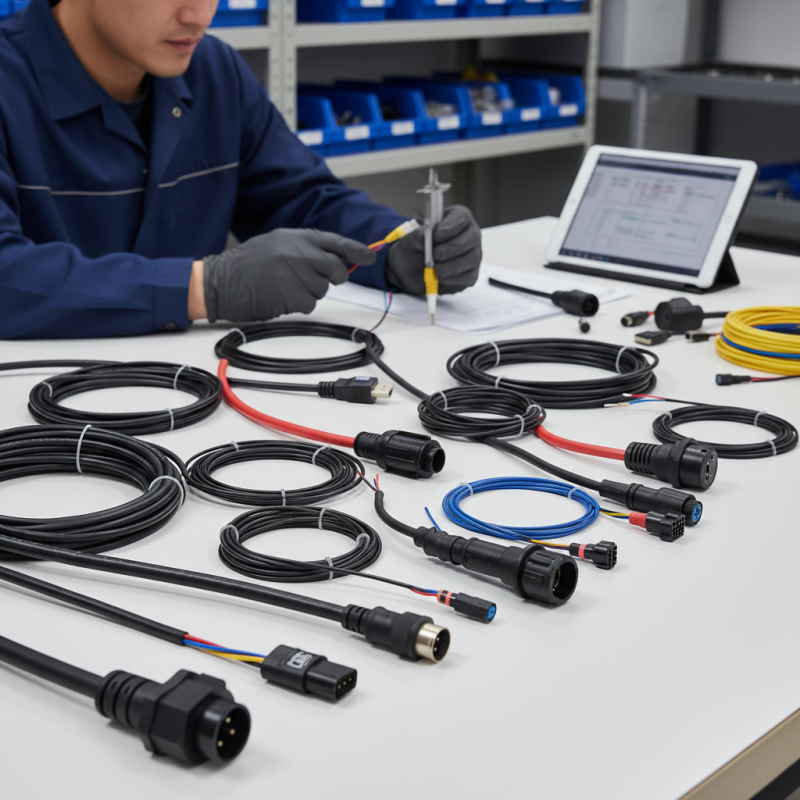
When selecting a cable wire assembly, knowing the types available is essential. The market offers multiple variations, each designed for specific applications. For instance, shielded cable assemblies help reduce electromagnetic interference, making them ideal for sensitive electronics. Unshielded options are often lighter and more cost-effective for general use.
Another common type is the custom cable assembly. These can be tailored to fit unique specifications. They may include connectors and lengths specific to a client’s needs. It is crucial to assess requirements carefully before choosing. This often requires thorough testing to ensure functionality.
Considering environmental factors also matters. Certain assemblies resist moisture, chemicals, or extreme temperatures. Utilizing the right materials can enhance durability and performance. However, striking the perfect balance between cost and quality can be tricky. It may require ongoing adjustments and learning from failed projects to reach optimal results.
How to Choose the Right Cable Wire Assembly for Your Needs?
| Assembly Type |
Description |
Typical Applications |
Wire Gauge Range |
Connector Options |
| Standard Wire Assembly |
Basic cable assembly for general use. |
Consumer electronics, appliances. |
18 - 26 AWG |
Molex, JST |
| Multi-Conductor Assembly |
Assembly with multiple conductors in a single jacket. |
Audio and video equipment, industrial controls. |
16 - 24 AWG |
DB, DIN |
| High-Voltage Wire Assembly |
Specialized for high-voltage applications. |
Energy, telecommunications. |
10 - 16 AWG |
High-voltage connectors |
| Custom Wire Assembly |
Tailored assemblies to meet specific requirements. |
Medical devices, aerospace. |
Varies based on requirements |
Varies based on design |
Key Factors to Consider When Selecting Cable Wire Materials and Insulation
Selecting the right cable wire assembly involves careful consideration of materials and insulation types. One key factor is the conductivity of the wire. Copper remains the industry standard. However, aluminum is gaining traction due to its lightweight properties. A report by MarketsandMarkets notes that the global market for aluminum wire is expected to grow by 7% annually through 2026. This shift emphasizes the need to evaluate the specific demands of your application.
Insulation materials also play a crucial role. PVC, for instance, offers good durability and resistance to chemicals. However, high-temperature applications may require silicone or Teflon insulation. A recent industry survey highlighted that over 45% of companies faced issues with insulation breakdown. This emphasizes the importance of selecting insulation suited to your operating environment. Choosing the right insulation can significantly improve the longevity and reliability of the cable assembly.
Compatibility with environmental factors is essential. Consider items like moisture exposure, temperature fluctuations, and exposure to chemicals. The International Electrotechnical Commission (IEC) suggests that improper material choices can lead to up to 25% increase in failure rates. This statistic urges careful evaluation and testing of materials and their performance in real-world scenarios. Let practicality guide your decisions here.
Importance of Connector Types and Specifications in Cable Wire Assembly Design
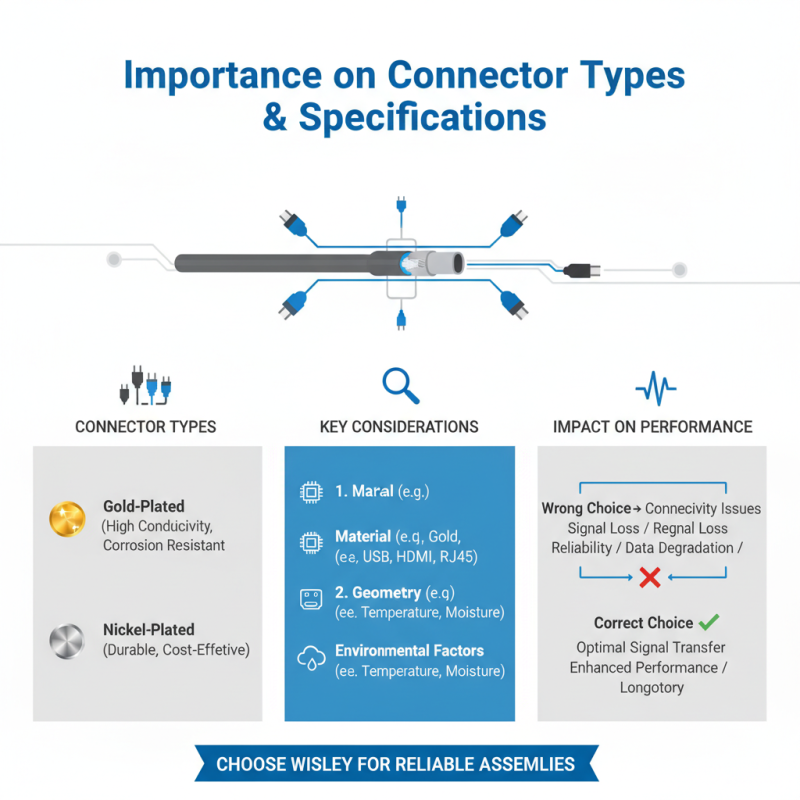
When selecting a cable wire assembly, understanding connector types and specifications is crucial. Each connector has its own unique properties, influencing the overall performance of the assembly. For example, different materials like gold-plated or nickel connectors offer varying levels of conductivity and durability. Choosing the wrong type might lead to connectivity issues or signal loss.
The layout and physical dimensions of connectors are also important. A compact space may require smaller connectors. On the other hand, larger connectors might be necessary for high-power applications. Poor fitment can stress the cable, leading to premature failure. Often, we don’t realize the impact of these specifications until problems arise.
It’s essential to consider your specific application when selecting connectors. For example, environmental factors such as moisture or temperature extremes can affect connector performance. Using standard connectors in unsuitable environments can lead to unexpected failures. Reflecting on previous experiences can help guide better choices in future projects. Emphasizing the right connector type not only ensures reliability but also enhances the overall efficiency of the cable wire assembly.
Evaluating Environmental Factors Affecting Cable Wire Assemblies' Performance
When choosing a cable wire assembly, environmental factors play a crucial role in its performance. Consider temperature fluctuations, humidity levels, and exposure to chemicals. High temperatures can degrade insulation materials, affecting flexibility and conductivity. A cable exposed to excessive moisture risks corrosion, which can compromise the entire assembly. It's essential to evaluate these elements to ensure longevity and reliability.
Another significant factor is mechanical stress. Cables in industrial settings often undergo bending and twisting. This strain can lead to premature failure if the assembly isn't designed for such environments. Think about the conditions they will face. Assess whether additional protective coverings are necessary. Doing so may prevent future failures.
Even minor decisions can have a significant impact. For example, choosing the right gauge for your application is vital. If it's too low, it may not handle the current properly. If it's too high, it could be unnecessarily bulky. Reflecting on these aspects can guide your selection process and prevent costly mistakes.
Assessing Industry Standards and Compliance for Reliable Cable Wire Assemblies
When selecting a cable wire assembly, compliance with industry standards is crucial. Many industries, such as automotive and telecommunications, have specific requirements. These standards ensure that cable assemblies are safe, reliable, and suitable for their intended application. Familiarizing yourself with these regulations can be challenging, yet it is essential to narrow down your options effectively.
Certification marks can guide your decision. Look for assemblies that meet criteria set by organizations such as UL or ISO. These certifications imply rigorous testing and quality assurance. However, not all manufacturers provide clear information about their compliance. This lack of transparency can lead to confusion. It is necessary to inquire about the documentation and testing processes involved.
Understanding the environment where the cable will be used is important. Factors like temperature, moisture, and exposure to chemicals can affect the performance of cable assemblies. Choosing a product that is robust enough for your environment can prevent potential failures. Assessing specifications may reveal gaps in your selection process. Continuous learning about industry advancements is necessary to make informed choices.