
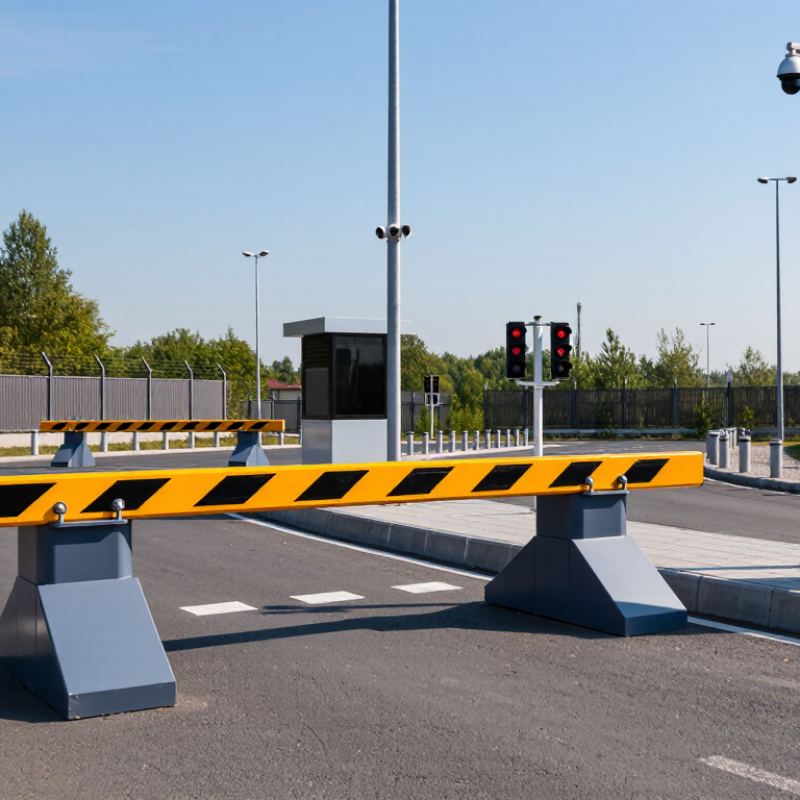
Why Choose a Vehicle Wedge Barrier for Perimeter Security?
Planning, Installing, and Maintaining a Wedge Barrier System
A vehicle wedge barrier can strengthen a controlled entrance, but protection starts with careful planning. Its value depends less on steel thickness than on correct site integration. Security teams should map vehicle approaches, pedestrian routes, drainage, and emergency access. Measure road width and turning space at the actual entrance. A drawing rarely captures everything. A second site walk may reveal blind spots, poor slopes, or blocked service paths. Consider traffic frequency, foundation depth, system ratings, and local conditions with a qualified engineer.
Installation should begin with a precise civil design and clear responsibilities. The pit needs stable reinforcement, reliable drainage, and protected power conduits. Water is a quiet enemy. Follow applicable safety standards and site rules throughout the work. Test the wedge through normal cycles before opening the perimeter. Observe trucks, rainwater, sensors, warning lights, and manual release procedures. Operators need practical training, not just a handover folder. Keep pedestrian separation clear during testing and maintenance.
Maintenance should follow documented intervals, traffic volume, and weather exposure. Inspect hinges, hydraulic components, sensors, fasteners, and surface damage. Record cycle counts and every unusual noise. A slow return or uneven rise deserves attention. Do not wait for a failed cycle. Qualified technicians should verify safety circuits and backup operation under controlled conditions. Grit, rain, and repeated heavy traffic will change performance. Review the schedule after the first season. It may need adjustment.