
A quality Exhaust End Pipe does more than finish a vehicle’s rear profile. It faces heat, moisture, road salt, and constant vibration. A thin, poorly finished part may discolor early, develop rough edges, or fit unevenly against the existing exhaust system. The difference is visible up close: clean welds, even metal, and a tip that sits straight beneath the bumper.
Fit matters. So does material. Stainless steel can offer useful corrosion resistance, while a polished finish may need regular cleaning to keep its appearance. Buyers should check pipe diameter, inlet dimensions, outlet shape, and clearance before choosing a design. A part that looks right online may sit too close to a bumper in real life. Small details count.
As a clearly fictional composite exhaust specialist, Daniel Mercer, puts it: “A good end pipe should suit the system, fit cleanly, and earn its place beyond its shine.” This is an original illustrative quote, not a statement from a real, independently verified expert. That distinction matters. Product claims should be checked against manufacturer specifications, and installation should follow the vehicle maker’s guidance.
Looks are not the whole story. A decorative tip cannot repair a damaged exhaust or guarantee better performance. Even careful buyers can miss a measurement. Take another look before ordering. With sound materials, accurate fitment, and realistic expectations, a quality Exhaust End Pipe can provide a durable, tidy finishing touch.
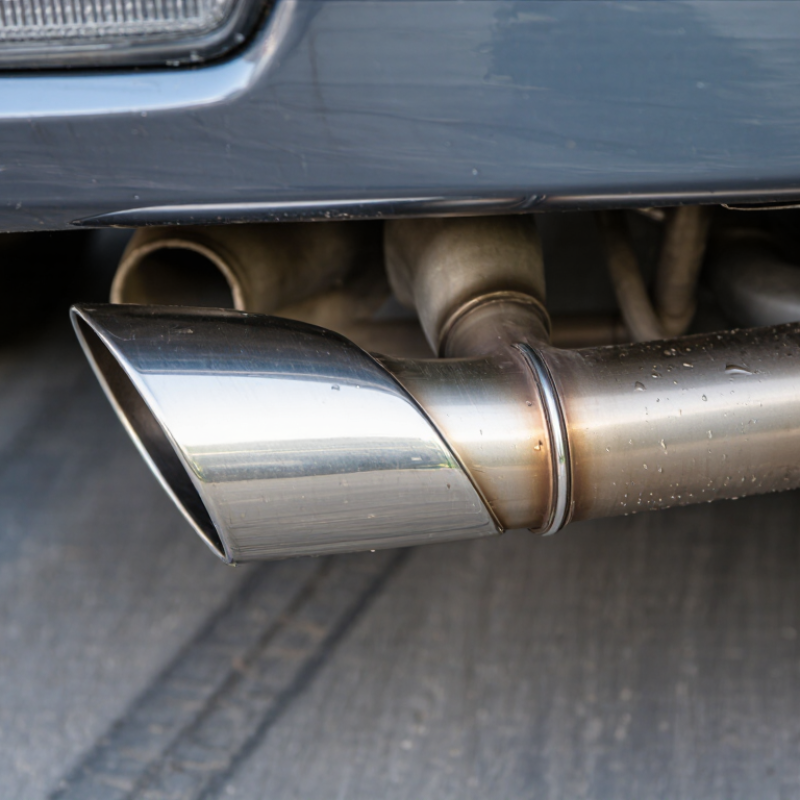
An exhaust end pipe is the system’s final outlet, typically positioned after the muffler. It channels combustion gases away from the vehicle’s underside and releases them behind the body. It does not clean emissions itself; catalytic converters and other upstream components handle treatment. That distinction matters. The U.S. EPA estimates that a typical passenger vehicle emits about 4.6 metric tons of carbon dioxide annually. Its calculation uses average driving and fuel use, including 8,887 grams of CO2 per gallon of gasoline (EPA, “Greenhouse Gas Emissions from a Typical Passenger Vehicle”). The tailpipe is the exit, not the emissions-control device.
A well-fitted end pipe should match the exhaust system’s diameter and mounting points. It should remain secure despite heat, moisture, vibration, and road salt. Check for rust-through, loose joints, unusual soot, or an outlet aimed toward plastic trim. These signs may point to damage or poor alignment, but soot alone does not confirm a leak. I would not judge an exhaust system by shine alone; that is an easy mistake. A larger or more polished tip does not automatically improve power or fuel economy. Fit and material matter more.

A quality exhaust end pipe shapes the final part of the exhaust path, but its influence depends on the system behind it. A smooth, correctly sized outlet lets gases leave without an abrupt narrowing or rough internal lip. Small details matter. A sharp edge, crushed section, or poorly aligned joint can create turbulence and, in some setups, an irritating whistle.
A larger opening does not automatically add power. The engine, exhaust tubing, mufflers, and catalytic components have a much greater effect on flow. An oversized tip may change sound or appearance while making little measurable difference to performance. That is easy to overestimate. Matching the outlet diameter to the existing pipe is usually more sensible than choosing the widest option available. Check the inner opening, not just the polished outer rim, and look for a secure fit that does not rattle against the bumper. Material and finish also matter: road spray, heat cycles, and winter grit can expose weak coatings or thin metal. The result may be less glamorous than expected. A well-designed end pipe is a finishing component, not a shortcut around proper system sizing, and its real benefit should be judged alongside fit, durability, and measured results.
How end pipe design influences exhaust flow and performance
Outlet area is calculated from the circular opening (A = π × diameter² ÷ 4). A larger opening provides more geometric area, but this alone does not predict exhaust flow or engine performance; the full exhaust system and engine determine the result.
A durable exhaust end pipe faces more than hot gases. It also meets rain, road spray, grit, and rapid temperature changes. Stainless steel resists corrosion well, but grades differ. Grade 304 generally offers strong resistance to moisture and salt, while grade 409 can be a practical, lower-cost choice. Its surface may develop discoloration or light rust, which does not always mean the pipe has failed.
Check the construction, too. Even wall thickness, smooth welds, and secure joints help the pipe tolerate vibration without cracking. A poorly finished seam can trap moisture. That detail is easy to miss. A polished finish looks appealing, but appearance alone cannot confirm durability. I’d check the material specification and inspect welds rather than judge by shine.
Fit and installation matter just as much. The pipe should align without being forced, and its clamp or weld should hold firmly through everyday driving. An awkward fit can add stress and cause rattling. After installation, look for movement, loose fasteners, or rust near the joints. One caveat: even quality stainless steel can stain in harsh conditions, so occasional cleaning and inspection remain worthwhile.
A quality exhaust end pipe must survive repeated heating and cooling, not just look bright after installation. Exhaust heat expands the metal, while cooling contracts it. ASM International’s materials data place 304 stainless steel’s thermal expansion near 17 micrometres per metre per °C. That movement concentrates stress around welds and thin edges. Fit and weld quality matter.
Corrosion often starts where moisture lingers: inside the pipe, around joints, or beneath road grime. NACE International’s 2016 IMPACT study estimated corrosion’s global cost at US$2.5 trillion, or 3.4% of global GDP. That figure covers many industries, not exhaust pipes specifically. Still, it shows why material choice and drainage deserve attention. No finish is invulnerable. A close look at seams and water paths can reveal weak spots.
Noise depends on more than the outlet’s shape. Poor joints may leak and create a sharp hiss; loose sections can rattle against the body. SAE J2805 sets repeatable procedures for measuring light-vehicle exterior sound, making consistent testing possible. A well-made end pipe should fit securely and avoid unwanted vibration, while preserving the sound level intended by the full exhaust system. It is worth checking again after the first few heat cycles.
Why Choose a Quality Exhaust End Pipe?
When choosing an exhaust end pipe, start with fit, not shine. Measure the existing pipe’s outside diameter and check the vehicle’s available clearance. A tip that sits too close to a bumper can transfer heat and mark the finish. Check the inlet size, attachment method, and overall length before ordering. Small measurements matter.
Material affects appearance and upkeep. Stainless steel generally offers better corrosion resistance than plain steel, while polished finishes can show water spots and road grime. A 2016 NACE IMPACT study estimated corrosion costs at $2.5 trillion worldwide, or 3.4% of global GDP. That figure covers many industries, not exhaust tips specifically, but it underscores why material choice deserves attention. Coatings can help, though scratches may expose the metal beneath.
Consider construction, too. Look for smooth edges, secure welds, and a clamp that holds without crushing the existing pipe. Keep the outlet aligned and clear of nearby bodywork. A larger tip does not automatically improve performance or sound; the rest of the exhaust system matters. I would recheck the fit after installation, especially if the pipe shifts when warm. Easy to overlook. A neat finish is useful, but reliable fit should come first.
Precision Cable Assemblies
16830 Pheasant Drive
Brookfield, WI 53005
Phone: 262-784-7887
Fax: 262-784-0681