Top 10 Transparent LED Display Suppliers for Buyers
Choosing a Transparent Led Display supplier takes more than comparing product photos or headline prices. Buyers need to understand how the display will perform in its actual setting: a bright shop window, a glass-walled lobby, or a stage with changing light. Small details matter. Pixel pitch, transparency rate, brightness, viewing distance, cabinet weight, and installation method can affect both visibility and the finished appearance. A panel that looks nearly invisible in a brochure may feel different once cables, frames, and support structures are installed. That is worth checking early.
This guide introduces ten suppliers for buyers to evaluate, not as a universal ranking. Product ranges, regional service, customization options, and project experience differ, so the right choice depends on the site and budget. Ask each supplier for current specifications, clear warranty terms, installation guidance, and references for comparable projects. Request a sample or arrange a demonstration when practical. Look closely at image quality from several angles, and ask how brightness changes under daylight. Ask for proof. A polished presentation is useful, but it cannot replace technical documents or a realistic project plan. Some information may remain unclear until a supplier answers detailed questions. That is not ideal, but it is a useful signal. Compare evidence, note unanswered points, and confirm who will handle support after delivery before making a decision.
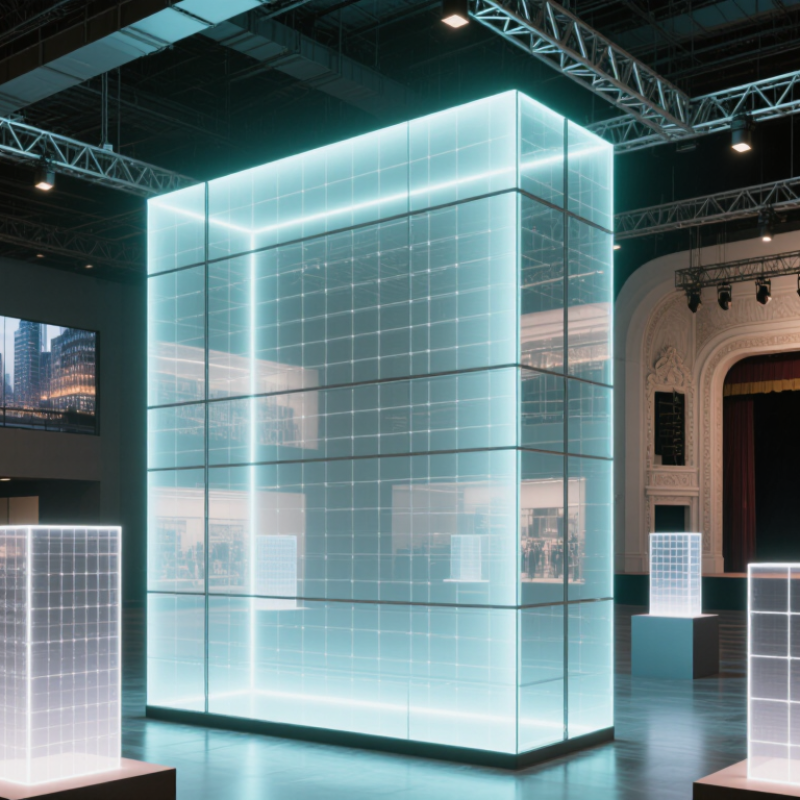
How Transparent LED Displays Work and Where They Are Used
Transparent LED displays use spaced LED pixels mounted on a clear panel or open grid. The gaps let daylight and views pass through, while the LEDs form images when driven by a controller. More LEDs per area can sharpen text, but often reduce transparency and increase power demand. It is a trade-off buyers should inspect in person.
MarketsandMarkets estimated the transparent display market at USD 2.9 billion in 2023, forecasting USD 4.9 billion by 2028, at an 11% compound annual growth rate. That estimate signals interest, not guaranteed project returns.
In practice, these displays suit shop windows, airport partitions, exhibition walls, and stage backdrops, where viewers need both content and a view beyond the screen. A bright window can wash out fine details. Test content at the actual viewing distance, in daylight, before specifying pixel pitch or brightness.
Still, the effect is easy to oversell. A transparent screen cannot make every glass surface readable.
Key Criteria for Evaluating Transparent LED Display Suppliers
A transparent LED display can look impressive in a showroom and disappoint beside a bright window. Compare suppliers using the same practical conditions: viewing distance, ambient light, screen size, and content type. Ask for measured brightness and transparency figures, then confirm how they were tested. A dense pattern may improve image detail but reduce visibility through the glass. There is no perfect trade-off.
Check pixel pitch, module alignment, and color consistency across a full-size sample, not just a small demo panel. Ask how the display handles heat and moisture in your intended location. Review warranty coverage, spare-module availability, installation guidance, and response times. A low quote can hide costly service gaps. One detail is easy to overlook: who supports the screen after commissioning?
Tips: Request a live test with your own video and a real window behind the display. Ask for written test conditions. Small details matter. Keep supplier answers in one comparison sheet, and note any claims that remain unverified. A polished presentation is useful, but it is not evidence. I would also check whether control software fits your team’s daily workflow; this point is often left until late.
Profiles of 10 Transparent LED Display Suppliers
A custom-engineering supplier can adapt panel size and mounting points to unusual façades. Ask for drawings and a sample corner joint. A high-brightness specialist should provide measured brightness data and explain how it affects viewing comfort. An outdoor demonstration helps. A rental-focused supplier may offer lightweight cabinets and quick-lock connections for temporary installations. Check handling instructions. An architectural-integration supplier works around glass, mullions, and sightlines, but confirm who manages installation details. A fine-pitch supplier suits close viewing, though tighter pixel spacing can raise cost and maintenance demands.
A modular-system supplier offers repeatable panels that simplify replacement. Verify that spare modules remain compatible across production batches. An export-oriented supplier should provide clear packing details, technical documents, and shipping schedules. A service-led supplier may support commissioning and troubleshooting; request response times in writing. A value-focused supplier can fit tighter budgets, but compare component specifications rather than price alone. A prototype-oriented supplier can build a small test panel before a larger order. Useful, though not always fast.
Tips: Request power consumption, transparency ratio, refresh rate, warranty terms, and a live viewing test. Compare readings under similar conditions. One detail buyers sometimes miss: reflections can change the image more than expected. No profile is automatically the right fit. Check the actual installation.
Comparing Suppliers by Performance, Product Range, and Support
When comparing transparent LED display suppliers, look beyond quoted brightness and pixel pitch. Request performance data for the intended viewing distance, ambient light, and installation height. A sample panel viewed in a dim showroom may behave differently beside a sunlit storefront. Ask how the supplier measures transparency, refresh rate, and color consistency across a full installation. Small differences become obvious across a wide glass façade.
Product range matters because buildings rarely share the same layout. Check available pixel pitches, panel sizes, mounting options, and service access. A supplier should explain how modules fit around mullions, doors, and curved surfaces, rather than relying on a generic product sheet. Confirm whether replacement modules match the original batch. This detail is easy to overlook. No comparison is complete.
Support can affect uptime as much as hardware quality. Ask who handles commissioning, remote diagnostics, spare parts, and operator training. Request realistic response times and clear warranty terms in writing. If installation teams are involved, clarify who checks cable routing, ventilation, and structural loads. Compare answers from the same practical questions, not polished brochures alone. A supplier may score well on paper yet provide vague service details; that deserves a second look.
How Buyers Can Verify Samples, Quotes, and Service Terms
Transparent LED procurement should begin with a working sample, not a polished showroom video. Ask for the same pixel pitch and module type quoted for your project. Test it at the intended viewing distance. Check brightness, color consistency, visible seams, and image quality against both dark and bright backgrounds. A sample cannot fully predict a large wall. That limitation matters.
AVIXA’s 2024 Industry Outlook and Trends Analysis forecast global professional audiovisual revenue at US$325 billion in 2024, rising to US$402 billion by 2029. These figures cover the wider AV sector, not transparent LED sales. They do underline why comparable quotes matter. Require each supplier to list transparency, brightness, refresh rate, power consumption, spare modules, shipping, installation, and exclusions. Vague line items invite surprises.
Service terms need the same scrutiny. Request written warranty duration, dead-pixel thresholds, replacement-part availability, and response times. Confirm who pays freight for defective modules. Ask for a sample service case and its resolution timeline. One awkward detail: a fast response promise means little without spare stock nearby. Compare the wording, not just the headline warranty. Reflect on whether the promised support still works after installation.