
Choosing an Electronic Shisha supplier for international markets takes more than comparing prices. Buyers need dependable product information, clear communication, and evidence that quality checks are part of everyday production. A polished catalog is useful, but it cannot replace careful questions.
This guide examines suppliers through practical details: sample availability, materials, battery specifications, packaging, order minimums, and delivery estimates. It also considers whether product documents are current and easy to verify. Small details matter. A readable user manual, consistent carton labels, and a realistic warranty can prevent costly confusion after an order ships.
Requirements differ across markets and product types. Buyers should confirm applicable safety, labeling, import, and age-related requirements with qualified local professionals before placing orders. Supplier statements alone may not settle those questions. Ask for relevant documentation, check who issued it, and confirm that it covers the exact model being purchased.
No supplier is perfect. Delays happen, and product pages can leave important questions unanswered. That is worth noticing, not ignoring. A reliable partner should respond clearly when details need correction and provide a traceable point of contact. The sections ahead help global buyers compare options with practical criteria, rather than promises alone. They are a starting point for due diligence, not a substitute for independent checks.
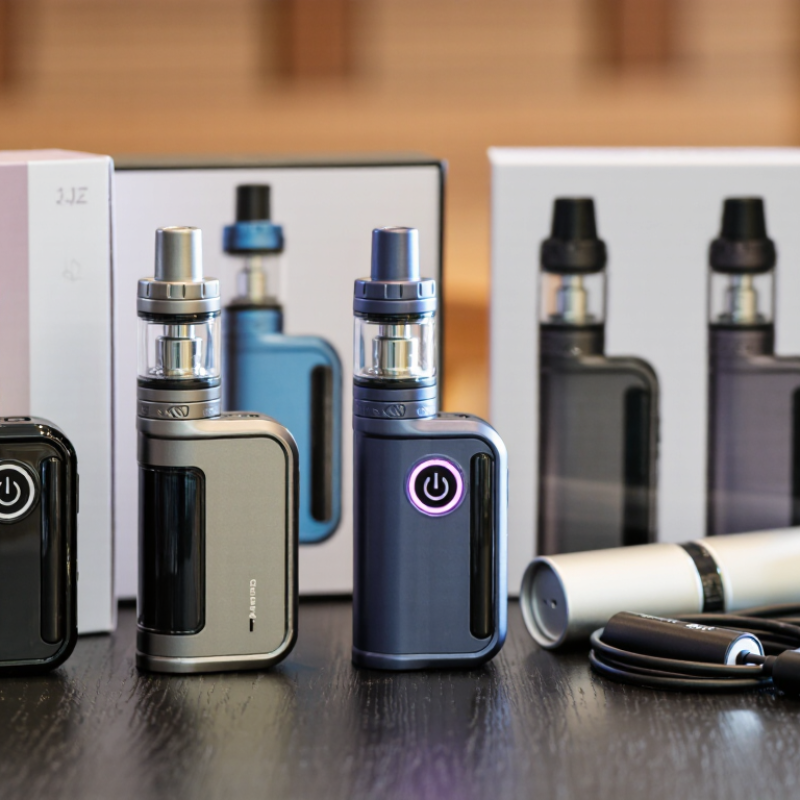
Electronic shisha devices vary in size, power, and refill design. Common formats include compact disposable units, rechargeable pod devices, and larger refillable systems. Most contain a battery, control circuit, heating element, liquid reservoir, airflow path, and mouthpiece. In use, the heater warms liquid to create an inhalable aerosol. Small parts matter: a loose seal can cause leaks, while unclear battery specifications complicate sourcing.
The World Health Organization’s 2024 global estimates put electronic-cigarette use at about 100 million people, including roughly 86 million adults. This figure covers a broader device category, not electronic shisha alone. That distinction matters. Buyers should avoid treating general vaping-market figures as direct evidence of shisha demand. WHO also reports use among young people, making clear product descriptions and responsible supply-chain controls important.
Use cases range from individual portable devices to larger systems designed for shared settings. Their practical requirements differ. A portable unit needs dependable charging, clear capacity data, and a secure mouthpiece; a larger unit needs accessible cleaning points and stable connections. Ask suppliers for material specifications, battery test documents, leakage checks, and consistent batch records. Some listings still use “shisha” loosely. Verify the actual device design before comparing quotations.

The World Health Organization estimated that 1.25 billion people used tobacco in 2022. That figure describes tobacco use broadly; it does not measure electronic shisha use. Numbers need context. Still, it shows why buyers should treat product information and consumer safety as serious matters, not marketing details.
For global procurement, clear documentation matters. Buyers can ask suppliers for ingredient disclosures, batch identification, and consistent product specifications. A tidy carton and readable label are useful signs, but they are not proof of quality. Request records, then check that the details match the products received. Small mismatches can be easy to overlook.
Requirements differ between markets, and rules can change. Buyers should verify applicable local requirements before placing orders, including rules for age-restricted products and product claims. This can be tedious. It is also part of responsible sourcing. WHO’s estimate is a reminder that tobacco-related choices affect a very large population, while supplier checks help buyers make more informed decisions. One limitation remains: no single statistic explains local demand or individual risk.
Global buyers comparing electronic shisha suppliers should look beyond polished catalogues. Supplier profiles may include portable units, desktop models, replacement parts, and packaging options. Check whether OEM services cover design adjustments, logo placement, component selection, and production samples. Ask for written specifications, quality-control steps, and battery safety documentation. Details matter.
Export capability is more than a list of destination countries. UNCTAD’s Review of Maritime Transport 2024 reports that over 80% of global trade by volume travels by sea, making packaging and shipment planning important. The World Bank’s 2023 Logistics Performance Index compares 139 economies across areas including customs, infrastructure, and shipment reliability. Buyers can use these indicators alongside supplier references when assessing delivery plans. Confirm lead times, carton dimensions, shipping terms, and who handles export documents.
Profiles should also explain how suppliers check market-specific product and labeling requirements before production. Request recent test records and confirm that they match the exact model being ordered. A catalogue alone cannot show whether finishes stay consistent across a full production run. That gap matters. One imperfect point in many supplier profiles is vague information about after-sales support; clarify spare-part availability and defect procedures in writing.
A buyer-focused checklist of areas to assess when comparing electronic shisha suppliers.
How to read this chart: Values count example checklist items in this overview: product range (devices, batteries, charging components, pods or cartridges, e-liquid, and accessories); OEM services (private-label branding, product customization, packaging customization, and contract manufacturing); export support (documentation, freight coordination, destination-market compliance information, and multilingual labeling). These are category counts, not verified supplier capabilities, supplier counts, export volumes, or market-share data. Confirm offerings and regulatory requirements directly with each supplier.
Buyers comparing electronic shisha suppliers should request a written specification before discussing price. Confirm the minimum order quantity (MOQ), including whether it applies per model, color, or packaging configuration. A low MOQ can help test demand, but it may raise unit costs or restrict customization. Ask for a production schedule tied to your forecast, not just a headline monthly capacity figure. Capacity claims matter less if components arrive late or inspection staffing is thin. Request recent output records, sample approval steps, and a named contact for production updates. Good signs are concrete.
Lead times need equal scrutiny. Ask suppliers to separate sample development, component sourcing, assembly, inspection, and shipping preparation. Have them identify dates that depend on your artwork or payment approval. For an initial order, leave room for delays; real schedules rarely behave perfectly. That buffer is useful. It is tempting to treat a polished sample as proof of consistent production, but that assumption deserves a second look.
Quality checks should be measurable. Agree on checks for battery performance, charging consistency, leakage resistance, packaging condition, and batch labeling, where relevant to the product. Set acceptable defect limits and define how failed units are documented and handled. Request test reports that match the exact model and production batch, rather than generic documents. If a supplier cannot explain a test result in plain language, clarify it before placing the order.
Global buyers should treat supplier checks as a document-and-sample exercise, not a sales call. Request the exact model’s compliance declarations, applicable-market certificates, and recent test reports from an identifiable, competent laboratory. Match model codes, dates, and test scope across every file. Paperwork matters. A polished PDF alone proves little. When order size or risk warrants it, verify reports with the issuing laboratory and compare them with a production sample.
The OECD and EUIPO estimated that counterfeit goods represented 2.5% of world trade in 2019, worth about US$464 billion. This broad estimate is a reason to check traceability, not to make assumptions about a specific product category. Ask for batch identification and a clear invoice trail. Check that the supplier’s written warranty states its coverage period, exclusions, claim process, and responsibility for return shipping. Small details matter.
Build a landed-cost sheet covering samples, unit price, freight, insurance, duties, taxes, payment fees, and replacement shipping. The World Bank’s 2023 Logistics Performance Index compared 139 economies across customs, infrastructure, shipment arrangements, logistics quality, tracking, and timeliness. Use it as route context, not a delivery guarantee. Compare its signals with the supplier’s written lead times and actual quotations. I would not treat one successful sample as proof of consistent production; that shortcut is tempting, but it deserves a second look.
Precision Cable Assemblies
16830 Pheasant Drive
Brookfield, WI 53005
Phone: 262-784-7887
Fax: 262-784-0681