2026 Top Electric Tricycle Models for Global Buyers?
As the electric vehicle market expands, the demand for Electric Tricycles has surged. A recent report by the International Energy Agency expects sales of electric tricycles to rise by 30% annually by 2026. This trend appeals to urban commuters seeking eco-friendly transport options.
Industry expert Dr. Emily Zhang highlights, “Electric Tricycles balance flexibility and sustainability.” She emphasizes their potential role in reducing urban congestion. Various models meet diverse consumer needs, from daily commuting to recreational use. However, some challenges remain. The market still lacks standardization and quality assurance, leading to inconsistent product performance.
Understanding these dynamics is crucial for prospective buyers. The 2026 models will not only focus on innovation but also strive to enhance safety and operational efficiency. Buyers should consider brand reputation and performance reviews. Such factors greatly influence long-term satisfaction with Electric Tricycles.
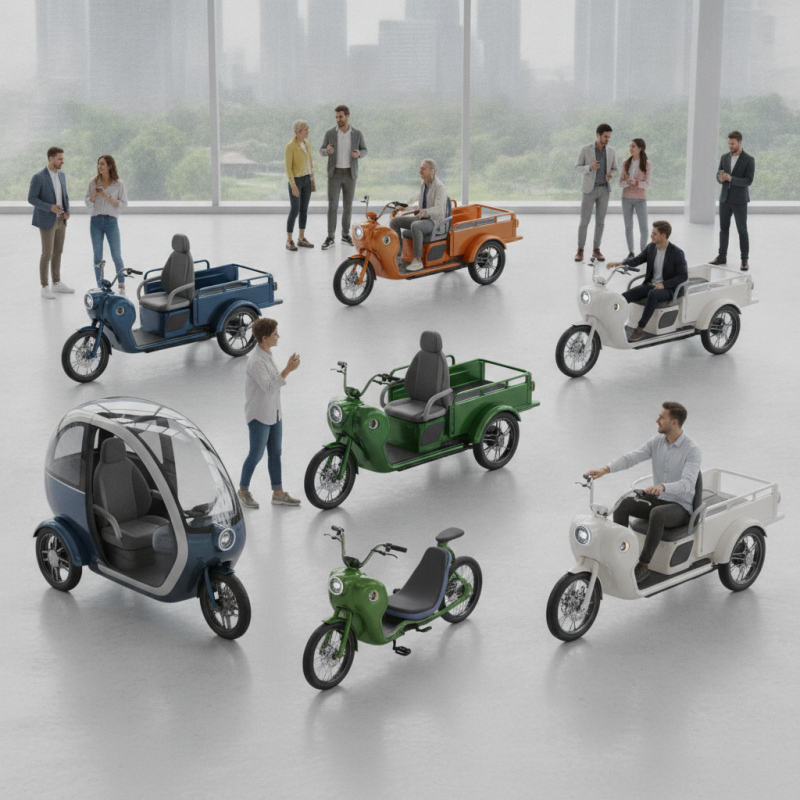
2026 Electric Tricycle Market Overview: Trends and Projections
The electric tricycle market is evolving rapidly. Many consumers now prioritize eco-friendly transportation. This has led to a surge in demand for electric tricycles globally. Industry experts predict a steady rise in market growth over the next few years.
Key trends include advancements in battery technology and design. Lightweight materials are becoming commonplace. One notable shift is the growing acceptance of tricycles for urban commuting. This reflects a change in public perception. Range anxiety still exists, yet innovations continue to address this issue.
Not all regions are adapting equally. Some markets face regulatory hurdles, impacting growth. Infrastructure for charging remains uneven. There is potential for improvement in user experience, such as enhanced features like smartphone integration. Addressing these gaps is crucial for future success in the electric tricycle sector.
Key Features of Top Electric Tricycle Models in 2026
As the market for electric tricycles continues to expand, several key features stand out among the top models in 2026. Buyers are increasingly looking for extended battery life. Many new models can travel over 60 miles on a single charge, providing greater convenience for daily commutes. In addition to battery efficiency, robust safety features are now essential. Many tricycles include advanced braking systems and improved stability controls, ensuring a safe ride on various terrains.
Comfort is another pivotal aspect of modern electric tricycles. Ergonomically designed seats and adjustable handlebars enhance the riding experience. Many models are equipped with shock-absorbing suspension systems that provide a smooth ride even on bumpy roads. However, not all manufacturers deliver on these promises. Some models claim comfort yet fall short during actual use.
Connectivity features increasingly attract tech-savvy buyers. Integrated smartphones and GPS systems can enhance navigation. Yet, the reliance on technology may lead some to overlook basic mechanical issues. Ideally, a balance between technological advancements and foundational reliability should be sought. Not every model achieves this balance, leaving room for improvement in future designs.
Comparative Analysis of Leading Electric Tricycle Brands and Models
The electric tricycle market is booming, with new models emerging rapidly. This growth offers buyers a range of options but can also lead to confusion. Each model has unique features that cater to different needs. Performance, battery life, and design are crucial elements to consider. Brands often highlight their tricycles' durability and comfort, but real-world experience may vary.
One aspect that deserves attention is the overall riding experience. Riders often report fluctuations in performance under varied weather conditions. Some tricycles excel in urban environments, while others struggle with rough terrains. Battery capacity is another area where discrepancies can arise. Many manufacturers claim extended ranges, yet actual performance might fall short. Buyers must evaluate user reviews to obtain reliable insights.
In the world of electric tricycles, innovation is constant. Features like advanced safety systems and customizable designs attract attention. However, some models prioritize style over practicality, which can be disappointing. Testing a tricycle before purchasing is valuable. Real-life observations can uncover potential issues often overlooked by marketing campaigns. Balancing aesthetics with functionality is key for discerning buyers.
2026 Top Electric Tricycle Models for Global Buyers
| Model | Battery Range (miles) | Max Speed (mph) | Load Capacity (lbs) | Weight (lbs) | Price ($) |
| Model A | 35 | 20 | 400 | 150 | 1,800 |
| Model B | 45 | 22 | 480 | 160 | 2,200 |
| Model C | 50 | 22 | 500 | 180 | 2,500 |
| Model D | 30 | 18 | 350 | 140 | 1,500 |
| Model E | 60 | 25 | 600 | 200 | 2,800 |
Consumer Preferences and Buying Behavior in the Electric Tricycle Market
In recent years, the electric tricycle market has experienced a notable shift in consumer preferences. Recent reports indicate that globally, the demand for electric tricycles has surged, with a projected annual growth rate of 7.5% over the next five years. Buyers are increasingly prioritizing factors such as range, comfort, and affordability. Many consumers prefer models with a minimum range of 50 miles per charge. This shift underscores the importance of battery efficiency in consumer choices.
The growing interest in eco-friendly transportation has also influenced buying behavior. A survey conducted by industry analysts revealed that over 65% of potential buyers consider sustainability a key purchasing criterion. Consumers are not only looking for cost-effective solutions but also for vehicles that reduce their carbon footprint. However, there remains a segment of the market that is hesitant, often citing concerns over maintenance and battery lifespan. These challenges indicate a need for manufacturers to enhance reliability and provide better after-sales service. Addressing these issues could elevate consumer confidence and drive further growth in the electric tricycle segment.
Regulatory Impact on Electric Tricycle Adoption and Innovation in 2026
Regulations play a crucial role in shaping the future of electric tricycles. In 2026, governments worldwide are focusing on sustainability. Stricter emissions standards are pushing manufacturers to innovate. This drive ensures cleaner alternatives in urban environments. However, innovation sometimes faces regulatory roadblocks.
Adoption of electric tricycles can be uneven globally. Some regions embrace technology, while others lag behind due to regulations. Countries with clear guidelines see faster growth. In contrast, places with vague rules often struggle. This inconsistency can frustrate potential buyers.
Safety regulations are also a significant factor. Enhanced safety features are essential for public acceptance. These features can raise production costs. Lower-cost models might sacrifice safety for affordability. Striking a balance between cost and safety is crucial. As the market evolves, stakeholders must reflect on these challenges. Addressing regulatory impacts will be key to future success.
2026 Top Electric Tricycle Models Adoption Rates
This chart illustrates the adoption rates of various electric tricycle models in 2026. As regulatory frameworks evolve, these models are seeing substantial increases in adoption across global markets.