Top Coiling and Packing Machines for Efficient Production?
In today’s fast-paced manufacturing landscape, efficiency is key. Companies are constantly seeking ways to improve their production lines. The Coiling and Packing Machine stands at the forefront of these advancements. This innovative technology streamlines processes, saving both time and labor costs.
Many manufacturers have turned to these machines for increased productivity. They handle the coiling of materials with precision. Packing becomes easier and quicker, ensuring a smooth flow in production. However, not all solutions are perfect. Some machines can be complex to operate and may require extensive training.
Choosing the right Coiling and Packing Machine can be challenging. Companies must assess their specific needs and capabilities. There can be a gap between wanting efficiency and fully achieving it. Embracing new technology comes with risks and learning curves, but the potential rewards are significant.
Overview of Coiling and Packing Machines in Modern Production
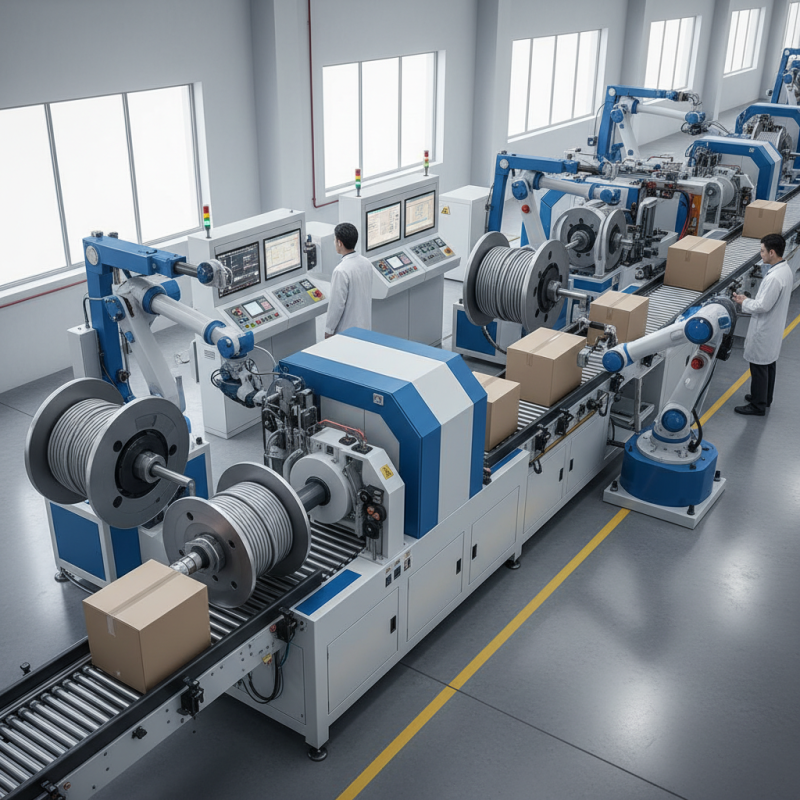
In modern production, coiling and packing machines play a crucial role. These machines streamline the packaging process, ensuring products are neatly coiled and packed efficiently. Industries such as textiles and food processing rely heavily on these technologies. The machines can significantly reduce labor costs while improving speed. However, operators must stay attentive to the setup. Misalignment can lead to wasted materials and time.
Coiling machines work by winding materials into tight coils. This helps in minimizing storage space. Some machines even offer adjustable coil sizes. Packing machines follow closely behind, sealing packages securely. They often use various materials like plastic or cardboard. While automated systems boost efficiency, they are not without flaws. Occasionally, jamming occurs, leading to production delays. Regular maintenance is essential to prevent these issues.
These machines can also adapt to different products. From delicate fabrics to heavy-duty supplies, versatility is key. However, training is vital for staff to manage these machines effectively. Employees must understand how to troubleshoot minor issues. Poorly trained operators may slow down production. It's an ongoing challenge that demands attention in the fast-paced environment of modern manufacturing.
Top Coiling and Packing Machines for Efficient Production
Key Features to Look for in Coiling Machines for Optimal Efficiency
When selecting coiling machines, efficiency is paramount. Different models have distinct features that can significantly impact production rates. According to a recent industry report, the right machine can improve coiling speed by up to 40%. Key features to prioritize include adjustable tension settings and automated control systems. These elements allow for precise adjustments that directly enhance product quality.
Additionally, ease of maintenance is critical. Machines that require excessive downtime can hinder productivity. Data indicates that up to 25% of operating costs arise from maintenance issues. Thus, coiling machines designed with user-friendly components can mitigate these challenges. Quick alignment and sensor checks can prevent unexpected failures, leading to smoother production processes.
Moreover, adaptability is essential. Industries demand flexibility to accommodate various materials. Machines that can handle diverse coil sizes and types offer competitive advantages. However, there may be a learning curve for operators. Machine training sessions should not be overlooked. Investing time in proper training minimizes errors and maximizes machine potential. Achieving optimal efficiency often involves continual assessment and adjustment.
Top Coiling and Packing Machines for Efficient Production
| Machine Type | Max Coiling Speed (m/min) | Material Compatibility | Control System | Dimensions (L x W x H) | Weight (kg) |
| Automatic Coiling Machine | 150 | Plastic, Metal | PLC Control | 2m x 1m x 1.5m | 500 |
| Semi-Automatic Packing Machine | 100 | Cardboard, Foam | Microprocessor Control | 1.5m x 1.5m x 2m | 300 |
| High-Speed Coiling System | 200 | Wire, Cable | Touch Screen Control | 3m x 2m x 2.5m | 800 |
| Compact Packing Machine | 80 | Plastic Bags, Pouches | Digital Control | 1m x 1m x 1.2m | 200 |
| Fully Automated Packing Line | 180 | Mixed Materials | Integrated Control System | 5m x 2m x 3m | 1500 |
Popular Brands and Models of Coiling Machines on the Market
Coiling machines are essential for various industries, ensuring precision in product manufacturing. In recent years, the coiling machine market has witnessed significant growth. According to a report by Market Research Future, the global coiling machine market is projected to reach $1.2 billion by 2025, driven by increased automation and demand for efficiency.
Several brands offer popular coiling machines. Each has unique features that cater to different production needs. For instance, some machines focus on speed, while others emphasize precision. The right choice can impact productivity significantly. A study indicated that companies using modern coiling machines improve production rates by up to 30%. However, finding the perfect machine can be challenging.
Investing in coiling technology is vital. Yet, businesses must carefully evaluate their requirements first. Not all machines provide ideal solutions for every operation. Understanding material compatibility and production volume is crucial for optimal performance. Industrial analysts recommend testing different models before purchasing. It’s a process that can seem daunting but leads to better efficiency and cost savings in the long run.
Innovations in Packing Technology for Enhanced Production Flow
Innovations in packing technology are transforming production lines. Automated machines streamline processes and enhance efficiency. New coiling systems save time and labor costs. These machines are adaptable, handling various products with ease. This flexibility is crucial as market demands shift rapidly.
Recent advancements include smart sensors and AI integration. Such technology allows machines to monitor performance continuously. They can adjust settings automatically based on data. However, implementation can be challenging. Companies must ensure their staff is well-trained. Communication between teams can sometimes break down, affecting productivity.
Balancing innovation with practical use is vital. While new technologies promise efficiency, they can introduce complexities. Maintenance and troubleshooting require specific skills. Not every company is equipped for such changes right away. Continuous reflection on these processes can lead to better outcomes.
Best Practices for Maintenance and Operation of Packing Machines
Packing machines play a crucial role in production efficiency. Regular maintenance ensures these machines run smoothly. Routine checks should include inspecting belts, gears, and motors. Look for wear and tear. Lubricate parts as needed to prevent friction. A small oversight can lead to larger issues.
Operators must be trained to recognize problems early. They should monitor output quality closely. Any irregularities might indicate a malfunction. Keeping a logbook of operations can help identify patterns. Addressing minor issues swiftly can avoid costly downtime.
Cleaning routines are essential. Dust and debris can accumulate and affect performance. Ensure that the machine is clean before and after shifts. Take the time to evaluate the effectiveness of your maintenance practices. Reflect on any challenges faced during operations. Continuous improvement is key to optimizing production.