Top 10 PCA Assembly Manufacturers for Global Buyers?

Choosing a reliable pca assembly manufacturer requires more than comparing unit prices. Global buyers must examine engineering depth, factory discipline, traceability, and communication quality. A polished website proves little. A well-documented production line proves much more.

Jan Vardaman, president of TechSearch International, has observed, “Advanced packaging is becoming increasingly important to the electronics industry.” Her statement reflects a wider reality. Modern pca assembly projects often combine fine-pitch components, miniature packages, thermal challenges, and strict inspection requirements. The best suppliers manage these details before production begins. They also explain risks clearly, rather than hiding them behind attractive quotations.

This guide reviews ten pca assembly manufacturers serving international customers. The comparison considers production capacity, certifications, component sourcing, prototype support, testing, and after-sales responsiveness. It also looks at practical evidence, such as sample reports, inspection images, and documented corrective actions. These details can reveal how a supplier behaves when a shipment is delayed or a board fails testing.

No ranking can fit every buyer. A medical device company may prioritize validation records. An industrial controls buyer may need long-term component availability. A startup may value flexible prototypes and patient engineering support. The “best” manufacturer is therefore not universal. That is easy to overlook. Buyers should verify claims independently, request current certificates, and review a production sample whenever possible. Some manufacturers will still appear stronger on paper than on the factory floor. That gap deserves attention.

Top 10 PCA Assembly Manufacturers for Global Buyers?

What PCA Assembly Manufacturing Involves and Why It Matters

What PCA Assembly Manufacturing Involves and Why It Matters

PCA assembly manufacturing turns a bare circuit board into a tested electronic product. The process may include component sourcing, solder-paste printing, surface-mount placement, and reflow soldering. Through-hole assembly is added when connectors or larger parts need stronger mechanical support. Experienced manufacturers also use automated optical inspection, electrical testing, and process records. These checks help identify misplaced parts, weak solder joints, and hidden defects before shipment.

For global buyers, reliable PCA assembly involves more than equipment. It requires clear drawings, approved component lists, controlled revisions, and realistic production schedules. A small design change can affect tooling, testing, and material availability. Traceability matters too. Lot codes and inspection records can make a later investigation faster. Yet, even experienced teams can miss a risk when documentation is incomplete. That is worth admitting. A perfect first pass is not always realistic. Careful review is.

Tips: Share complete files early. Confirm component alternatives in writing. Ask how defects are reported and corrected. Request sample inspection data, not only attractive factory photos. Check whether testing matches your product’s real operating conditions. Discuss packaging, moisture protection, and shipping damage before production begins. These practical details often separate a smooth launch from expensive rework.

Top 10 PCA Assembly Manufacturers for Global Buyers

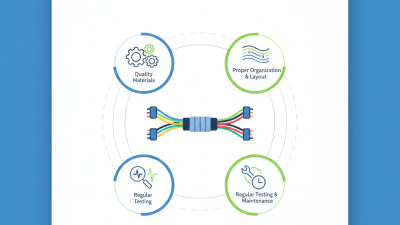
PCA assembly manufacturing combines component sourcing, PCB fabrication, SMT placement, through-hole assembly, soldering, inspection, testing, and final traceability. The chart presents a transparent 100-point buyer evaluation model for comparing manufacturing capabilities without ranking or displaying company data.

The weighting model reflects common global procurement priorities: product quality, process control, engineering support, supply-chain reliability, compliance, testing, and delivery performance. Quality and traceability are central because PCA production commonly follows requirements such as IPC-A-610 and IPC J-STD-001.

How to Evaluate PCA Assembly Manufacturers for Global Procurement

Evaluating PCA assembly manufacturers requires more than comparing unit prices. Global buyers should examine process control, engineering depth, traceability, and delivery evidence. Ask for first-pass yield, defect-per-million data, rework rates, and on-time delivery records. These figures reveal more than polished factory photographs. The manufacturer should also demonstrate compliance with IPC-A-610, J-STD-001, and relevant environmental requirements.

Deloitte’s 2024 Smart Manufacturing and Operations Survey reports that 86% of manufacturers view smart manufacturing as a major competitiveness driver within three years. Therefore, buyers should inspect real systems, not just automation claims. Can the factory trace a component from receiving to final test? Are placement machines connected to inspection data? Does the supplier maintain controlled process windows for solder paste, reflow, and cleaning? A live production audit is useful.

Cost still matters, but unstable pricing can damage a global program. Request a transparent quotation covering tooling, testing, engineering changes, logistics, and approved substitutions. The 2024 IPC Electronics Industry Survey highlights continuing pressure from material availability and workforce limitations. Buyers should therefore assess dual sourcing, inventory policies, technician training, and escalation procedures. I would not trust a perfect scorecard. Small gaps often appear during engineering changes, urgent builds, or low-volume production. Ask for evidence from comparable projects, while protecting confidential customer information. A factory that explains its weaknesses may be more reliable than one promising flawless performance.

Top 10 PCA Assembly Manufacturers for Global Buyers? - How to Evaluate PCA Assembly Manufacturers for Global Procurement

A practical, brand-neutral scorecard for comparing printed circuit assembly suppliers across quality, engineering capability, production readiness, compliance, cost, and international supply-chain performance.

Rank Evaluation Dimension What to Measure Weight
1 Quality Management System Formal process control, corrective action, internal audits, and traceability Current ISO 9001 certification; documented CAPA process; lot-level manufacturing records Valid certificate, quality manual, sample inspection report, and recent corrective-action example 15%
2 Product-Specific Compliance Ability to support regulated or safety-critical applications Relevant sector controls for medical, automotive, aerospace, industrial, or other regulated products Applicable certifications, customer-specific procedures, training records, and regulatory audit history 12%
3 Manufacturing Technology SMT, through-hole, mixed-technology, fine-pitch, BGA, coating, and box-build capability Equipment and process capability matched to the PCB design, package types, board size, and volume Equipment list, line specifications, process-flow diagram, and representative capability samples 12%
4 Inspection and Test Coverage Defect detection before shipment and validation of electrical functionality Automated optical inspection for SMT; X-ray where hidden solder joints require it; ICT or functional testing when justified Inspection-point map, test coverage proposal, sample test report, calibration records, and acceptance criteria 12%
5 Engineering and NPI Support Design-for-manufacturing review, prototype support, component-risk analysis, and change management Documented DFM/DFA review before production; controlled NPI process with defined approval gates Redacted DFM report, NPI timeline, engineering-responsibility matrix, and engineering change procedure 11%
6 Delivery Reliability On-time delivery, production scheduling, capacity planning, and recovery planning Supplier can provide historical on-time delivery data and a documented escalation process for delays Anonymized 6–12 month delivery report, capacity plan, lead-time assumptions, and business-continuity plan 10%
7 Component Supply-Chain Control Approved sourcing, counterfeit avoidance, shortage management, and inventory visibility Traceable component purchasing; approved-vendor controls; no substitutions without written customer approval Procurement procedure, material traceability sample, obsolescence process, and shortage-reporting format 10%
8 Cost Transparency Clarity of assembly, tooling, testing, material, logistics, and engineering charges Itemized quotation with assumptions, validity period, minimum order quantities, and price-adjustment terms Redacted quotation template, cost-breakdown format, payment terms, and change-order policy 8%
9 Global Logistics and Documentation Export readiness, packaging, customs documents, Incoterms, and delivery coordination Clear Incoterms responsibility; export documentation process; packaging designed for ESD and transit protection Sample packing specification, commercial invoice, packing list, shipping workflow, and logistics contact structure 5%
10 Communication and Data Security Response speed, project ownership, confidentiality, and protection of design information Named project manager; defined response targets; signed confidentiality terms; controlled access to customer files Communication matrix, escalation chart, confidentiality agreement, access-control policy, and secure file-transfer method 5%

Suggested use: score each shortlisted supplier from 1 to 5 for every dimension, multiply by the corresponding weight, and validate the result through a pilot order or first-article build. Benchmarks should be adjusted for board complexity, production volume, regulatory requirements, and destination-market obligations.

Key Capabilities and Services Offered by Leading PCA Manufacturers

A reliable PCA assembly manufacturer does more than place components. It should manage design-for-manufacturing reviews, controlled sourcing, prototype builds, and volume production. Grand View Research estimates that the global electronics manufacturing services market will grow at a 7.5% CAGR from 2024 to 2030. This growth increases pressure on suppliers to provide faster, documented production.

Leading manufacturers typically offer automated optical inspection, X-ray inspection, solder-paste inspection, and functional testing. These controls help detect hidden joints, weak solder coverage, and placement errors. Many facilities also use MES platforms for lot tracking and process records. IPC standards remain useful references for workmanship, acceptance criteria, and operator training. However, certification alone proves little. Buyers should review actual yield data, corrective-action reports, and sample inspection records. Some suppliers look impressive on paper. Their factory evidence may be thinner.

Tips: Ask for a complete process map before signing a contract. Confirm component traceability from incoming inspection to shipment. Request recent first-pass-yield data, not only capacity figures. Check whether engineering teams support DFM feedback during early prototypes. A 2024 IPC industry survey reported continuing concerns about supply-chain volatility and skilled labor availability, so backup sourcing and trained technicians deserve careful review. Small omissions matter. A missing test fixture or unclear change-control procedure can delay an otherwise simple assembly.

Quality, Compliance, Lead Times, and Costs in PCA Assembly

Top 10 PCA Assembly Manufacturers for Global Buyers?

Selecting among the top ten PCA assembly manufacturers requires more than comparing website prices. Quality begins with controlled processes, trained operators, and documented inspection results. Buyers should request IPC-A-610 workmanship standards, ISO 9001 certification, and recent audit evidence. Traceability matters too. Each board should connect to material lots, machine settings, and test records. A factory visit can reveal practical details, such as clean storage areas and clearly labeled moisture-sensitive components.

Compliance must cover design, materials, data protection, and destination-market requirements. Reliable suppliers support DFM reviews before production, rather than discovering pad or clearance problems after shipment. Electrical testing, automated optical inspection, and functional testing reduce hidden defects. Lead time also needs careful examination. Ask whether quoted production days include component purchasing, programming, testing, and export documentation. They often do not. That gap can disrupt a launch.

Cost comparisons should include tooling, engineering changes, minimum order quantities, packaging, freight, and possible rework. A low unit price may hide weak yields or expensive logistics. In practical sourcing reviews, a slightly higher quote can deliver better schedule control. Still, buyers should challenge every assumption. Forecasts change. Components become unavailable. Even experienced teams sometimes overtrust an impressive sample run. The strongest PCA partner provides capacity data, escalation contacts, corrective-action reports, and realistic promises. Ask for evidence, not polished language.

How to Select the Right PCA Assembly Partner for Your Project

Choosing among the top 10 PCA assembly manufacturers requires more than comparing quoted prices. A suitable partner should understand your board’s function, risk profile, and production goals. Ask about component sourcing, approved substitutes, and shortage planning. Request recent examples involving similar layer counts, package types, and annual volumes. Board photos can reveal process discipline, but documented evidence matters more. A ranking is only a starting point.

Evaluate engineering support before releasing files. Can the team review schematics, PCB layouts, and bills of materials for manufacturing risks? Look for clear feedback on solder paste apertures, test points, thermal reliefs, and component spacing. Ask how revisions are controlled. One overlooked revision can create a costly batch. Verify inspection methods, including automated optical inspection, X-ray checks, and functional testing where relevant. Calibration records and traceability should be available, not merely promised.

Reliability also depends on communication. Define response times, escalation contacts, sample approval steps, and shipment packaging. Confirm quality systems and market-specific compliance documents independently. A factory may pass a sample review yet struggle with schedule changes. This happens. Pilot runs, measurable acceptance criteria, and regular production reports reduce that risk. Do not ignore uncomfortable questions about yield, rework, or supplier dependency. The cheapest offer can become expensive after delays, scrap, and redesigns. Choose the partner that explains limitations clearly and improves when your feedback exposes a weakness.