What is a Mask Folding Machine and How Does It Work?
The demand for personal protective equipment surged dramatically during the pandemic. This surge highlighted the importance of efficient manufacturing processes. A key component in this realm is the Mask Folding Machine. This machinery is essential in producing masks with consistent quality and speed. According to a recent industry report, global mask production reached over 129 billion units per month in 2020 alone.
The Mask Folding Machine automates the process of folding and shaping mask materials. It reduces human error and enhances output, making it vital for manufacturers. However, not all machines deliver the same efficiency. Some might struggle with material variations, leading to higher waste rates. It's crucial to analyze these challenges for improved functionality.
In a rapidly evolving market, investing in quality machines is imperative. Selecting the right Mask Folding Machine can significantly impact production capacity and overall costs. Companies need to be aware of these factors to ensure reliability in their production lines. As competition increases, the machines must adapt to meet these ongoing demands effectively.
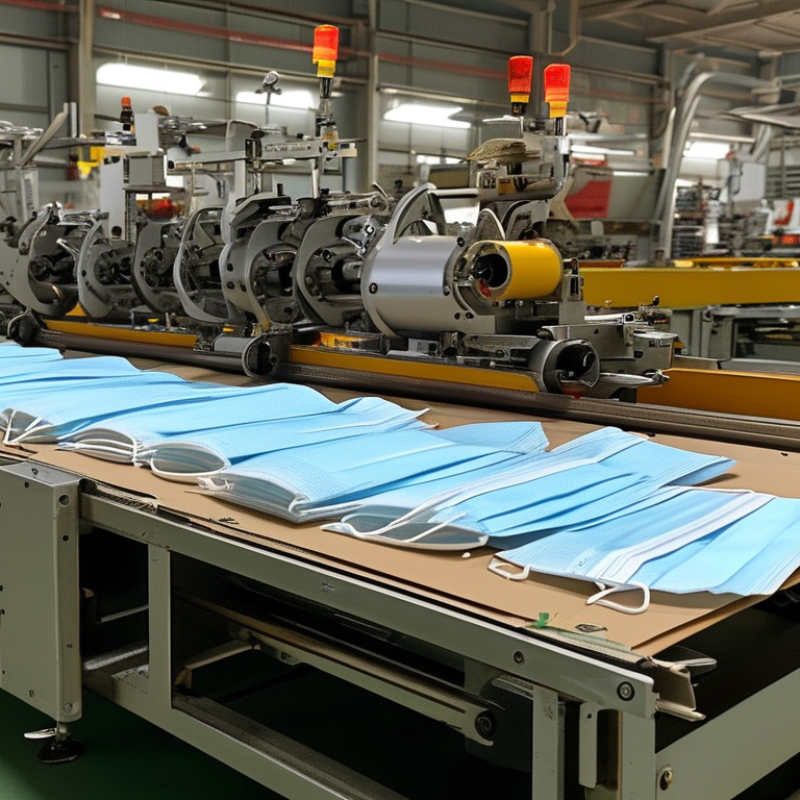
What is a Mask Folding Machine?
A mask folding machine is a specialized device used in the manufacturing of face masks. It automates the folding process, ensuring precision and consistency. The machine typically folds fabric into multiple layers, giving masks their protective structure. With the rise in demand for face masks, these machines have become essential in factories.
When it comes to choosing a mask folding machine, consider the production capacity. It's crucial to ensure that the machine can meet your daily output needs. Also, look for features like adjustable folding angles and speeds. This flexibility can enhance efficiency and customization.
Tips: Regular maintenance is vital for optimal performance. Check for wear and tear on components often. Make adjustments to ensure quality and avoid wastage. Small changes can lead to significant improvements. Use quality materials to reduce issues in the folding process. It’s essential to train operators thoroughly, as mistakes are costly.
The History and Development of Mask Folding Machines
The evolution of mask folding machines marks a significant chapter in manufacturing technology. Initially developed in response to the growing demand for protective gear, these machines have transformed over the years. In the early days, manual processes dominated production. Workers spent hours folding and assembling masks by hand, often leading to inconsistencies. According to a market report, the global automatic mask machine market was valued at over $800 million in 2021, indicative of its rapid growth and technological advancements.
In recent years, innovation has driven efficiency. Advanced mask folding machines can produce thousands of masks per hour with high precision. They automate the folding, welding, and cutting processes, significantly reducing labor costs. Industry data shows a 50% increase in production capacity due to machine innovations. However, challenges persist. Some manufacturers struggle with adapting to new technologies, risking obsolescence. Additionally, quality control remains a pressing issue, as rapid production sometimes compromises material integrity. This juxtaposition of speed and quality highlights the need for ongoing improvement and oversight in the production cycle.
Key Components of a Mask Folding Machine
A mask folding machine is essential in mass production of face masks. Understanding its key components can enhance production efficiency. These machines typically include the following elements: the feeding unit, folding section, welding section, and output conveyor. Each component plays a vital role in ensuring the masks are folded and sealed properly.
The feeding unit introduces material into the machine. It often uses rollers to maintain a consistent flow. Next, the folding section takes the flat material and accurately folds it into the desired shape. Adjustments in this area can lead to a better final product. The welding section then uses heat or ultrasonic waves to seal the masks securely. Finally, the output conveyor transports finished masks for packaging.
Tips: Regular maintenance of each component ensures consistent performance. Check for material blockages that can disrupt flow. Also, operators should be trained to handle adjustments quickly. Regular feedback sessions can help identify areas needing improvement. This ongoing evaluation can transform production challenges into opportunities for growth, leading to higher quality masks.
How a Mask Folding Machine Operates Step-by-Step
Mask folding machines are essential in producing well-structured face masks. They automate the folding and shaping process, ensuring consistency and speed. The operation begins with feeding the material into the machine. The fabric is pulled and arranged, preparing it for folding.
The machine then uses a series of rollers and blades to fold the mask at precise angles. This step is crucial for achieving the desired shape and fit. As the folded mask moves along the production line, it is sealed at the edges. After sealing, the masks undergo quality checks to ensure they meet safety standards.
Tips: Regular maintenance of a mask folding machine is essential. This keeps it functioning smoothly. Pay attention to the materials used, as low-quality ones can lead to defects. Experimenting with different folding techniques can also enhance production efficiency. Remember, adjusting the machine settings can optimize output based on the specific fabric type. Understanding these details can improve your production process.
Applications and Benefits of Using Mask Folding Machines
Mask folding machines are transforming the production landscape of face masks. These machines streamline the manufacturing process, enabling high-speed output with precise folding. According to a report by ResearchAndMarkets, the global face mask machine market is projected to reach $2.4 billion by 2027, highlighting a growing demand for efficient production solutions.
The applications of mask folding machines extend beyond traditional manufacturing. They are used in various industries, providing essential personal protective equipment (PPE) for healthcare workers and the general public. In the wake of the COVID-19 pandemic, the efficiency of these machines has gained attention. A single machine can produce thousands of masks per hour, drastically reducing labor costs and time. However, not all machines meet quality standards. Some may sacrifice precision for speed, leading to issues with mask fit and filtration efficiency.
The benefits are clear, yet challenges remain. Industries must ensure that their machines adhere to safety regulations. Additionally, continuous training for operators is essential. Incomplete training can lead to manufacturing defects, making it difficult to maintain quality control. Overall, while mask folding machines present significant advancements, careful oversight is necessary to fully harness their potential.