Top Air Seat Control Valve Manufacturers Worldwide
Selecting reliable Air Seat Control Valve manufacturers requires more than comparing catalog prices. These components influence actuator response, seating accuracy, operating stability, and maintenance intervals. In food processing, pharmaceutical, chemical, and general industrial plants, a small valve can affect an entire production line. This guide introduces leading manufacturers worldwide and examines the evidence behind their market reputation.
The review considers engineering experience, material quality, pressure and temperature capabilities, sealing performance, documentation, and after-sales support. Practical details matter. Stainless steel bodies may resist washdown environments, while carefully designed pneumatic circuits can improve response consistency. Manufacturers with traceable testing, clear technical drawings, and repeatable quality systems usually deserve closer attention. Independent certifications and application records add useful confidence, but they should not replace technical verification.
Real-world selection is rarely perfect. A valve that performs well in a clean factory may struggle with abrasive media or frequent cycling. Some published specifications also appear impressive but lack operating context. That deserves caution. Buyers should confirm connection sizes, air quality requirements, control signals, replacement-part availability, and service conditions before approval. Field engineers often notice details that brochures omit, such as slow actuation after months of use or difficult seal replacement.
This overview aims to support informed comparison rather than promote one universal winner. Manufacturer rankings can change with region, application, testing standards, and customer support. The strongest suppliers combine proven design, responsive engineering, dependable production, and honest technical communication. That combination is valuable. Carefully matching the Air Seat Control Valve to the process remains the safest and most practical decision.
Air Seat Control Valve Basics: Functions, Types, and Global Applications
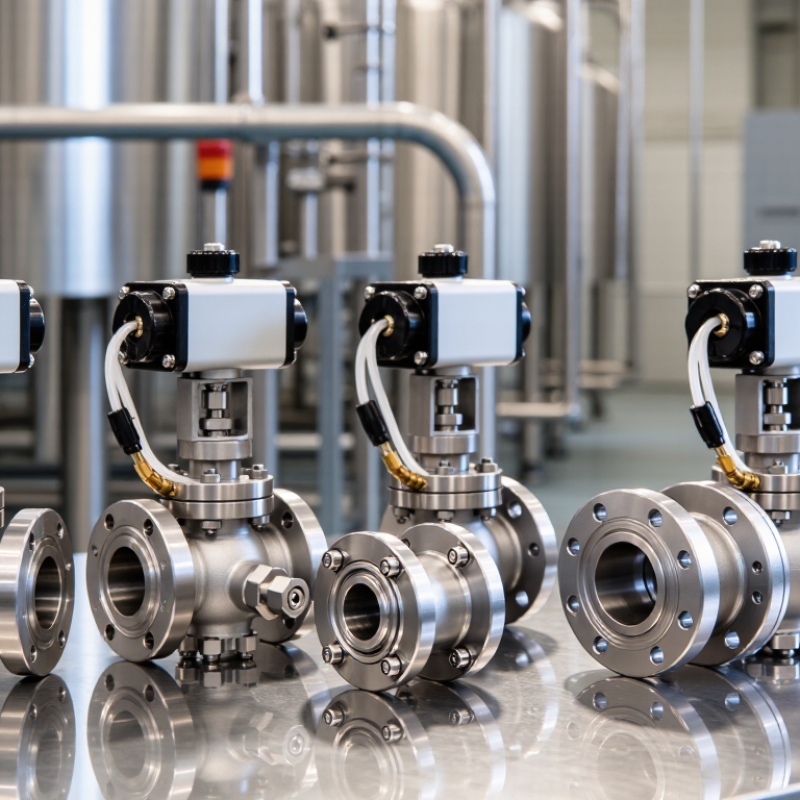
Air seat control valves use compressed air to move a seat inside a process valve. They regulate flow, isolate equipment, or redirect media between pipelines. A spring-return actuator can force a valve closed during air loss. Double-acting designs use air for both opening and closing. Small details matter.
Common configurations include normally closed, normally open, single-seat, and double-seat valves. Hygienic models often use polished stainless-steel bodies and cleanable internal surfaces. Many processing plants operate pneumatic systems near 5–7 bar, but actual requirements depend on actuator size, line pressure, and product viscosity.
Position sensors provide feedback to control systems, reducing uncertainty during automated cycles. A 2024 industrial valves market report from Grand View Research estimates continued global growth through 2030, driven by water treatment, food processing, pharmaceuticals, and chemical production.
In dairy facilities, these valves may switch milk, cleaning chemicals, and rinse water within seconds. In breweries, they must manage foam, temperature changes, and frequent cleaning cycles. Pharmaceutical installations demand stronger documentation, surface control, and validated cleaning practices. Water plants usually prioritize reliability, corrosion resistance, and easy maintenance.
Yet a clean datasheet cannot predict every installation problem. Incorrect tubing, wet compressed air, or poorly selected seals can cause leakage and slow response. MarketsandMarkets’ pneumatic valves analysis also identifies process automation as a major demand driver, although market estimates vary by product definition and region. That uncertainty deserves attention.
Valve Designs, Actuation Modes, and Common 12 V or 24 V Systems
Top Air Seat Control Valve Manufacturers Worldwide
Air seat control valves differ mainly in body design, port layout, and actuation method. Compact cartridge valves suit confined seat frames and reduce installation weight. Inline designs simplify tubing, while manifold-mounted valves keep several functions close together. A durable valve should tolerate vibration, moisture, dust, and repeated pressure changes. Field technicians often inspect exhaust speed, seal wear, and connector corrosion during service. Small leaks can make a seat feel unstable. That detail matters.
Pneumatic actuation commonly uses an electromagnetic coil to control air entering or leaving the bladder. Some systems use normally closed valves for safer pressure retention. Others use normally open arrangements for faster deflation or emergency release. Electrical compatibility is equally important. Twelve-volt systems are common in passenger vehicles and compact equipment. Twenty-four-volt systems often appear in buses, commercial vehicles, and larger platforms. Voltage alone is not enough. Engineers must check current draw, connector polarity, duty cycle, and protection against reverse voltage. A valve may operate on paper yet respond slowly under real thermal conditions. Bench testing with the actual compressor, tubing length, and seat load exposes these weaknesses. Manufacturers with reliable quality systems usually provide flow data, pressure limits, wiring guidance, and traceable inspection records. However, published figures can still feel optimistic. Independent testing remains worthwhile before large-scale installation.
Core Specifications: 0.5–10 bar Pressure and Response Times Below 100 ms
Air seat control valves increasingly face tighter comfort and safety demands. The Boeing Commercial Market Outlook 2024–2043 forecasts 43,975 new commercial aircraft deliveries, expanding the need for reliable pneumatic seat systems. Manufacturers serving this market should specify operating ranges clearly, not hide them behind broad marketing terms.
A practical control range is 0.5–10 bar, covering lumbar supports, seat cushions, recline actuators, and massage functions. Below 0.5 bar, some valves may struggle to hold fine adjustments. Above 10 bar, seals and fittings require stronger validation. Response times below 100 ms can improve passenger control, especially during rapid seat-position changes. However, suppliers must define the test method. A 90 ms opening time is not equal to 90 ms system stabilization.
The Aircraft Seating Market report by MarketsandMarkets identifies growing demand for electronically controlled and comfort-focused seating systems. That trend makes compact valves, low leakage, and repeatable cycling important selection criteria. Buyers should request pressure-drop curves, hysteresis data, noise measurements, and endurance results. Real cabin conditions matter. Temperature shifts, vibration, and thousands of adjustment cycles can expose weaknesses that laboratory sheets overlook. I would also question any specification without tolerances; perfect numbers are rarely perfect in service. Independent testing against applicable aerospace quality procedures strengthens credibility and helps manufacturers compare products consistently worldwide.
Worldwide Manufacturer Landscape: Regions, Production Scale, and Certifications
Top Air Seat Control Valve Manufacturers Worldwide
The global manufacturer landscape follows aircraft production, retrofit demand, and regional certification capacity. A 2024 Commercial Market Outlook forecasts nearly 44,000 new commercial aircraft deliveries through 2043. That creates steady demand for compact pneumatic valves, seat actuators, and replacement assemblies.
North America and Western Europe remain strong production centers, supported by mature aerospace supply chains and specialized testing laboratories. East Asia is expanding its machining and assembly capacity, while Southeast Asia and India are attracting more component work. Production scale varies widely. Large suppliers may run automated CNC lines and serialized inspection systems. Smaller specialists often compete through short lead times and custom engineering. The boundary is not perfectly clean.
Certification is a practical differentiator. Serious manufacturers commonly maintain AS9100D and ISO 9001 systems, with documented calibration, nonconformance control, and full material traceability. NADCAP accreditation may support heat treatment, chemical processing, or non-destructive testing. Installation requirements can also involve aviation authority approval, approved design data, and customer-specific qualification tests. Certification alone proves little without controlled records.
The 2024 Global Market Forecast estimates almost 40,000 passenger and freighter aircraft will be needed over two decades. This supports long-term valve demand, but public reports rarely separate seat-control valves from wider cabin systems. That limitation matters. Buyers should compare annual output, pressure-cycle test results, failure-response time, and regional service coverage. Some published capacity figures may reflect total aerospace components, not actual valve production. Verification remains necessary.