What is an Isolation Switch and How Does it Work?
Isolation Switches play a crucial role in electrical systems, ensuring safety and reliability. These devices are essential for disconnecting power during maintenance or emergencies. According to a recent report by Global Market Insights, the isolation switch market is projected to reach $8 billion by 2027, fueled by increasing demand for safety in industrial applications.
Expert David R. Smith, a well-regarded figure in electrical engineering, emphasizes the importance of these devices. He once stated, “The effectiveness of an isolation switch can mean the difference between safety and disaster.” This highlights the vital function of isolation switches in preventing accidental energization. Each year, numerous incidents occur due to inadequate isolation practices.
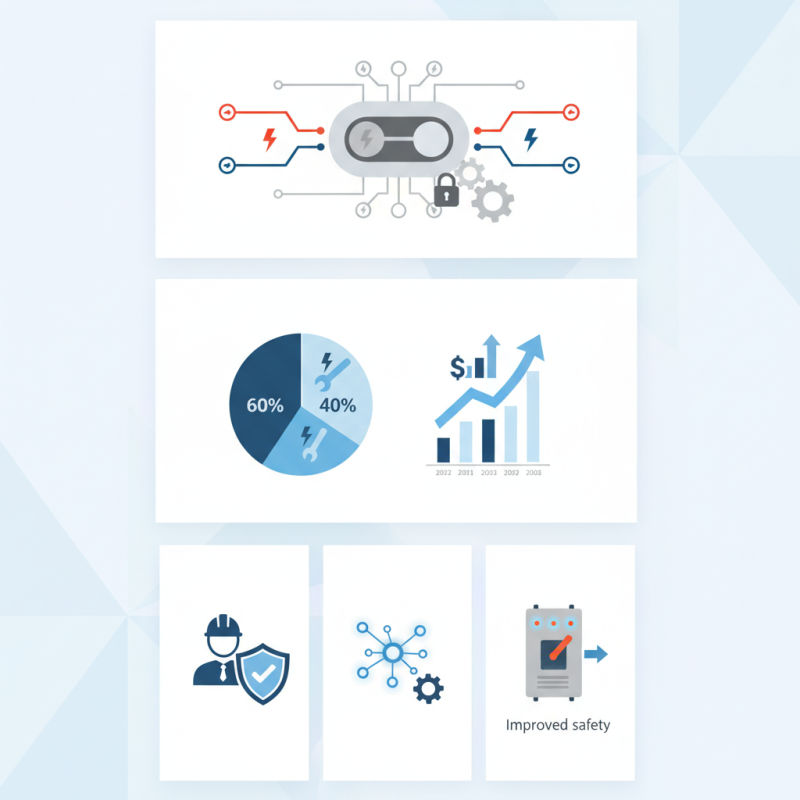
Despite advancements in technology, many facilities still rely on outdated systems. This can lead to inefficient operations and heightened risks. Industry surveys reveal that 40% of electrical failures stem from improper isolation. It is essential to reevaluate existing protocols and invest in modern isolation switches for improved safety and performance.
Definition of an Isolation Switch and Its Purpose
An isolation switch plays a crucial role in electrical systems. It is designed to disconnect the power source from equipment. This ensures safety during maintenance or servicing. The isolation switch acts as a barrier, preventing accidental energization of circuits. When the switch is open, no current can flow. This protects technicians working on the system.
The main purpose of an isolation switch is safety. However, not all systems have adequate isolation. In some cases, users overlook the importance of these switches. They often assume that turning off the main power is enough. This can lead to dangerous situations if not properly isolated. Proper training on using isolation switches is essential. Awareness reduces risk in workplaces.
Isolation switches must be regularly inspected. Corrosion or wear can affect their operation. Users may forget to maintain these switches, leading to failures. Regular checks can prevent accidents. An isolation switch's role may seem straightforward, but its impact is significant. It is essential for safety and operational reliability in various applications.
Components of an Isolation Switch
An isolation switch is an important component in electrical systems. It allows for safe disconnection of electrical circuits. Understanding its parts helps us appreciate its function.
The main components of an isolation switch include the switch mechanism, housing, and terminals. The switch mechanism is crucial. It controls the opening and closing of the circuit. Often, this mechanism can vary in design. Some have a simple toggle, while others may be more complex.
The housing protects internal parts. It safeguards against dust and moisture. This is vital for areas with harsh conditions. Terminals provide connections to electrical wires. These need to be robust. Poor connections can lead to overheating. It’s important to regularly check these components for wear and tear. Neglect can cause failures or safety hazards.
How an Isolation Switch Functions Mechanically
An isolation switch plays a crucial role in electrical safety and control. It serves as a gatekeeper, allowing or cutting off electricity to equipment. Mechanically, it consists of various components, including a lever or handle, contact points, and insulators. When activated, the lever shifts to break or connect the circuit. This action can be simple, yet it requires careful operation to avoid mishaps.
When you toggle the lever, the contacts move. They either touch or are separated. The position of these contacts is vital. If they don’t align perfectly, you could face unexpected power flow. Insulators ensure that electricity is safely contained within the switch. If the insulators degrade, they can lead to failures. Regular inspection is necessary to maintain functionality and safety.
Isolation switches also have a visual component. A clear indication of whether a circuit is open or closed can prevent miscommunication. This often relies on color coding or marking. However, human error can still occur. Operators might misinterpret the signals, leading to improper operation. Ensuring everyone understands the mechanism is essential to avoid issues. Caution is always necessary when working with isolation switches.
What is an Isolation Switch and How Does it Work?
| Feature | Description | Applications | Working Mechanism |
| Electrical Isolation | Prevents current flow for safety during maintenance. | Substations, industrial plants, and commercial buildings. | Disconnects or connects circuits to break the electrical path. |
| Types | Mechanical, electrical, and manual isolation switches. | Used in renewable energy systems and power generation. | Operates through toggle or rotary mechanisms to open circuits. |
| Safety Standards | Must comply with local electrical codes and safety regulations. | Essential in high-voltage installations and emergency shutdowns. | Incorporates features to prevent accidental reconnection. |
| Indicators | Visual or audible indicators to show on/off status. | Critical in control panels and machinery operation. | May use LED lights or alarms to indicate isolation status. |
Applications of Isolation Switches in Electrical Systems
Isolation switches play a crucial role in electrical systems. They help ensure safety during maintenance and repair. In many facilities, their use can be seen in powering down equipment for service, thus preventing accidental energization. According to industry reports, about 30% of workplace electrical accidents can be attributed to inadequate isolation methods.
In industrial applications, isolation switches are essential for protecting personnel. For instance, they are widely used in electrical substations to disconnect power when needed. A report by the National Safety Council states that ensuring proper isolation can reduce electrical hazards by up to 70%. However, this number can be misleading if not all users are trained. Sometimes, operators may neglect the importance of confirming complete disconnection.
In renewable energy systems, isolation switches are critical for solar and wind installations. They allow safe maintenance while minimizing downtime. According to research, the global market for isolation switches in renewable applications is expected to grow by 15% annually. Yet, many systems still lack clear labeling, leading to potential risks. This highlights the need for better practices and training in the field.
Applications of Isolation Switches in Electrical Systems
This chart illustrates the various applications of isolation switches in electrical systems. The data indicates that power distribution and renewable energy sectors utilize isolation switches the most, followed by industrial equipment, telecommunications, and data centers.
Safety Benefits of Using Isolation Switches in Power Management
Isolation switches are critical for enhancing safety in power management systems. They serve as a disconnecting mechanism, ensuring that electrical circuits can be safely isolated for maintenance or emergencies. According to industry reports, up to 65% of electrical accidents are linked to improper isolation practices. This highlights the need for reliable isolation switches in both residential and industrial settings.
When properly used, isolation switches can minimize the risk of electrical shock and equipment damage. They provide a clear visual indication of the power status and help prevent accidental energization during maintenance. Data from safety organizations indicates that implementing effective isolation methods can reduce workplace accidents by up to 40%. However, many facilities still overlook proper isolation protocols, leading to potential hazards.
The installation of isolation switches can also enhance system reliability. Regular testing and maintenance of these switches are essential. Failing to do so can result in malfunction or failure to isolate, exposing workers to unnecessary risks. Reports from electrical safety audits suggest that only 70% of companies conduct regular checks on their isolation devices. This lack of diligence is a point of concern that demands attention. The balance between safety and operational efficiency must never be underestimated in power management.