Flexible PCBs Tips for Optimal Performance and Design Solutions?
Flexible Pcbs have transformed the electronics industry by providing versatility in design and functionality. Renowned expert Dr. Emily Richard states, "The future of electronics lies in incorporating flexible PCBs into new applications." This perspective highlights the growing significance of flexible PCBs in device innovation.
The design of flexible PCBs requires careful consideration. Materials, thickness, and layout all play crucial roles in performance. Engineers must strike a balance between flexibility and electrical integrity. Mistakes in these areas can lead to failure. It's essential to reflect on past designs to improve future iterations.
As industries adopt flexible PCBs, challenges arise. Issues like thermal management and reliability deserve attention. Flexibility can come at the cost of robustness. Designers must remain vigilant and open to revising their approaches. Continuous learning is key to achieving optimal results in flexible PCB applications.
Understanding Flexible PCB Technology and Its Advantages
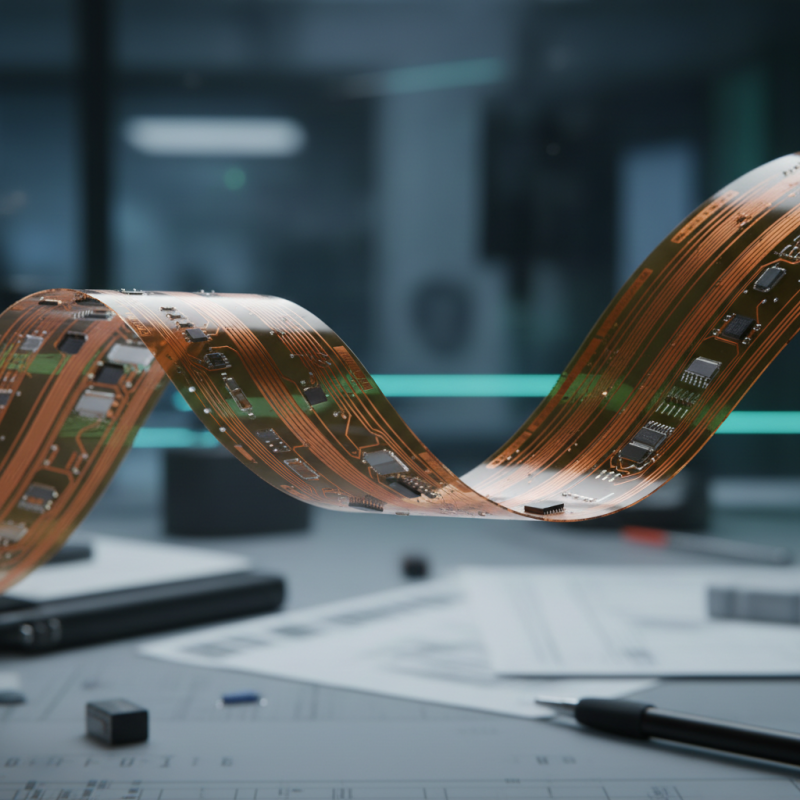
Flexible printed circuit boards (PCBs) are revolutionizing electronics. They offer compact designs and durability, ideal for various applications. These circuits can bend and twist without damage. This flexibility provides creative freedom in product development. Designers can integrate them into tight spaces. This makes devices lighter and more efficient.
Understanding the advantages of flexible PCBs is crucial. They reduce weight and save space. However, designing flexible PCBs requires careful planning. Thin materials can make them fragile. Thus, selecting the right substrate is vital. A careful balance between flexibility and durability is necessary.
Here are some tips for optimal performance in flexible PCB design. Use a clear layout to avoid overcrowding. This will prevent signal interference. Always account for bend radius in your designs. Additionally, test prototypes thoroughly. This can reveal potential issues early. Emphasizing these aspects can lead to successful flexible PCB solutions.
Flexible PCBs Tips for Optimal Performance and Design Solutions
| Parameter | Description | Advantages |
| Material | Polyimide or Polyester | High thermal stability and flexibility |
| Thickness | Typically between 0.1mm and 0.5mm | Lightweight and space-saving |
| Flexibility | Can bend and fold in different configurations | Supports compact designs and reduces assembly time |
| Types | Single-sided, Double-sided, Multi-layer | Versatile options for various applications |
| Design Considerations | Need for routing, spacing, and component layout | Ensures optimal signal integrity and performance |
Key Factors Impacting Flexible PCB Design and Performance
When designing flexible PCBs, several key factors influence both functionality and performance. One crucial aspect is the choice of materials. Flexible substrates, such as polyimide or polyester, offer unique benefits. Yet, selecting the wrong material can lead to failures during bending or stretching. It’s essential to assess the mechanical requirements early in the design phase.
Another significant consideration is the circuit layout. Tightly packed traces may seem appealing for saving space, but they can create interferences. Proper spacing between conductors is vital. Moreover, unexpectedly high thermal or electrical stress can arise from poor layout decisions. Always review the thermal management strategy to avoid overheating.
Lastly, testing and prototyping are often overlooked. Designers might rush through this crucial stage. Without thorough testing, unforeseen issues can emerge in real-world applications. Therefore, iterative testing can help refine designs and prevent costly mistakes. Emphasizing these factors ensures optimal performance and longevity in flexible PCB applications.
Material Selection for Enhanced Durability and Functionality
When selecting materials for flexible PCBs, it’s crucial to focus on durability and functionality. A common mistake is overlooking the environmental factors these PCBs will face. Humidity, temperature fluctuations, and mechanical stress can lead to failure. Choosing materials that can endure these conditions is essential. Polyimides, for instance, offer excellent thermal stability and flexibility.
Copper is often the preferred choice for conductive traces. However, its susceptibility to oxidation can be an issue. It’s vital to consider alternative coatings that enhance performance. These might include gold plating or nickel undercoating, which add longevity to the circuit's lifespan.
Furthermore, the thickness of the material plays a key role in performance. Thicker substrates may not bend as easily. This can limit the PCB's applications in tight spaces. Finding the right balance between flexibility and robustness is a challenge. Each project may require different considerations. Testing different prototypes might reveal flaws in the design. Adjustments can lead to better results in the long run.
Flexible PCBs Material Selection for Enhanced Durability and Functionality
This chart illustrates the performance of different materials used in Flexible Printed Circuits (PCBs) based on key characteristics such as flexibility, thermal resistance, and cost-effectiveness.
Best Practices for Manufacturing Flexible PCBs Efficiently
When it comes to manufacturing flexible printed circuit boards (PCBs), efficiency is key. Designers must pay attention to material selection and layout during the design phase. Using high-quality polyimide substrates often results in better performance. However, it's critical to strike a balance between material cost and overall functionality. Testing various materials under realistic conditions can reveal insights.
Another important aspect is the manufacturing process itself. Automated equipment can speed up production but can lead to inconsistencies if not monitored closely. Regular maintenance of machinery is vital. The process of creating flexible PCBs often requires adjustments. Any small error in alignment can lead to waste and frustration. Keeping an eye on these details can prevent costly mistakes later on.
Additionally, communication within teams is crucial. Designers and engineers must collaborate closely. Misunderstandings about specifications often surface during production. Setting clear guidelines can help reduce errors. There’s always room to refine processes and learn from past experiences. Embracing a culture of continuous improvement can lead to better outcomes in flexible PCB manufacturing.
Common Design Challenges and Solutions in Flexible PCB Applications
Flexible PCBs (Printed Circuit Boards) offer versatility in design, but they also present distinct challenges. One common issue arises from mechanical stress during bending. As reported by IPC, approximately 25% of failures in flexible PCBs can be attributed to poor stress management. Designers must consider the materials selected. A wrong choice can lead to cracks or delamination. Copper thickness and adhesive quality play crucial roles in ensuring durability under flexing conditions.
Heat dissipation is another hurdle. Flexible PCBs often operate in tight spaces. Inadequate heat management can cause thermal buildup, leading to component failure. Research indicates that nearly 40% of flexible PCB issues result from insufficient thermal properties. Employing thermal relief strategies, like adding vias, can alleviate this problem. But these solutions require careful planning and testing.
Another challenge involves signal integrity. As circuits become more complex, maintaining clear signal paths is critical. Data from industry studies show that 30% of performance issues stem from poor design layouts. Tight routing, inadequate grounding, and crosstalk can disrupt efficiency. Designers must continually analyze signal propagation and adjust designs accordingly. Flexibility shouldn't compromise reliability; balance is key in every aspect.