Essential Tips for Sourcing Quality Threaded Rods?
In the world of construction and manufacturing, the quality of materials can significantly impact project success. Threaded Rods, essential for various applications, require careful sourcing. According to industry expert John Smith, "Choosing the right threaded rod is crucial for structural integrity."
When sourcing threaded rods, consider factors such as material type and coating. Stainless steel, for example, offers corrosion resistance, essential for outdoor use. However, not all suppliers guarantee that their products meet industry standards. Quality inconsistencies can lead to future issues.
Additionally, evaluating suppliers is vital. Look for companies with strong reputations and positive customer feedback. It's easy to choose based on price alone, but this strategy can backfire. Investing time in finding reliable sources will pay off in the long run. Remember, ensuring quality in threaded rods involves diligence and informed choices.
Understanding Threaded Rods: Types, Materials, and Specifications
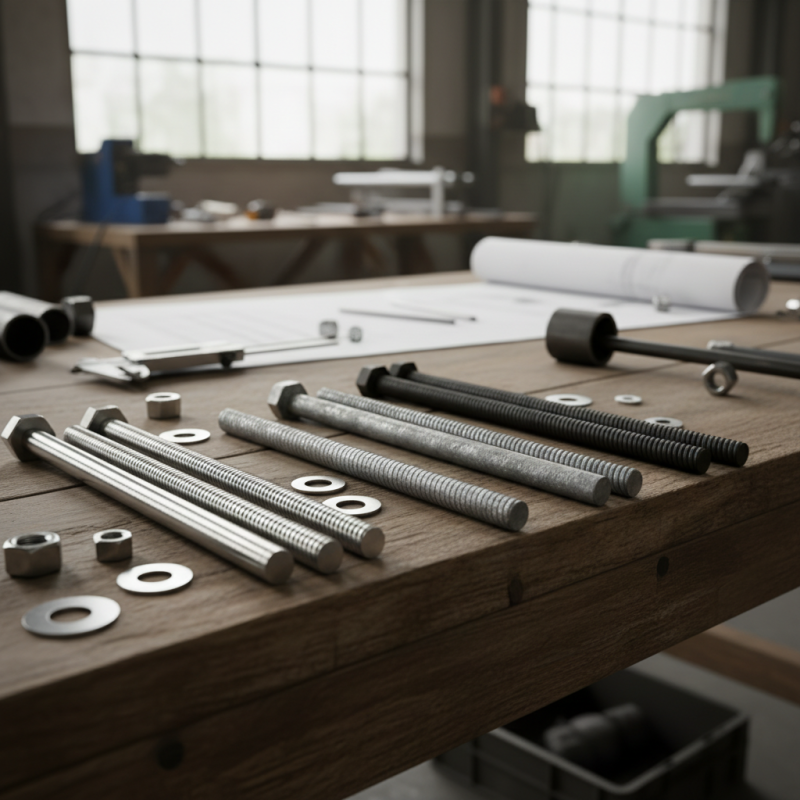
When sourcing threaded rods, it’s crucial to understand their types, materials, and specifications. Threaded rods come in various diameters and lengths. Common materials include steel, stainless steel, and aluminum. Each material offers different benefits. Steel is strong but can corrode. Stainless steel provides better resistance but is often more expensive. Thus, selecting the right material is essential to ensure durability.
Specifications play a vital role in choosing the right threaded rod. Consider the thread type and pitch. Coarse threads are more robust but less precise, while fine threads offer better engagement but lower load capacity. Moreover, understanding tensile strength is critical. It determines how much force the rod can handle. For instance, a rod with a high tensile strength is ideal for heavy-duty applications.
In practice, even the best materials can fail if not sourced correctly. Inconsistent dimensions or poor manufacturing can lead to complications. Always verify specifications with your supplier. A reliable supplier can provide certifications for their products, enhancing trust. However, even trustworthy suppliers might have flaws. Thus, continuous research and communication are key to successful sourcing.
Key Standards and Certifications for Quality Threaded Rods Sourcing
When sourcing quality threaded rods, understanding key standards and certifications is crucial. The American Society for Testing and Materials (ASTM) provides essential guidelines. According to industry data, around 70% of quality issues arise from non-compliance with these standards. For threaded rods, ASTM A307 is the most commonly referenced standard. It covers dimensions, materials, and mechanical properties.
Look for certifications like ISO 9001. Manufacturers with this certification demonstrate a commitment to quality management. This is essential for reliable sourcing. Additionally, verify if the manufacturer complies with ASTM A325 for high-strength bolts. This standard ensures that threaded rods can withstand significant loads.
Here are a few tips to ensure quality. First, always request material test reports. This documentation verifies compliance with industry standards. Second, choose suppliers that provide clear specifications and testing methods. Lastly, consider third-party inspections. This adds an additional layer of reliability to your sourcing process. Quality assurance should never be overlooked. Investing time in sourcing can prevent costly mistakes later.
Essential Tips for Sourcing Quality Threaded Rods
| Specification | Standard/Certification | Material Grade | Finish Type | Diameter Range (inches) | Length Range (inches) |
| ASTM A307 | ISO 9001 | Grade 2 | Plain | 1/4 to 2 | 6 to 144 |
| ASTM A325 | ASTM Quality Standard | Grade 5 | Zinc Plated | 3/8 to 1 | 12 to 120 |
| ASTM A576 | EN 15048-1 | Alloy Steel | Black Oxide | 1/2 to 2 | 10 to 96 |
| DIN 975 | ISO 4042 | Stainless Steel | Passivated | 1/4 to 3 | 8 to 120 |
Evaluating Suppliers: Assessing Quality Control Processes
When evaluating suppliers for threaded rods, quality control processes are crucial. It is essential to verify how a supplier ensures the quality of their products. Start by checking their manufacturing standards. Do they follow industry guidelines? A lack of clear procedures can lead to subpar products.
Inspecting certifications is vital. Authentic certifications demonstrate a commitment to quality. However, not all suppliers provide transparent documentation. This could be a red flag. Asking for product samples can give insight into their quality. Compare these samples with industry standards. It can help gauge if their production meets your needs.
Communication with suppliers is equally important. Ask about their inspection processes. How often do they perform quality checks? Reluctance to share this information can indicate issues. Inquire about their response to quality failures. Understanding their approach can reveal their reliability. Keep a watchful eye on their track record. Frequent problems may suggest deeper quality control flaws.
Cost Analysis: Balancing Quality and Price in Threaded Rod Procurement
When it comes to sourcing quality threaded rods, balancing quality and price is essential. Cost analysis plays a crucial role in procurement decisions. High-quality rods may require a larger initial investment, but long-term benefits often justify the cost. Cheap options might save money upfront but can lead to more frequent replacements and repairs.
Consider the materials used in production. Rods made from durable steel or other strong alloys generally perform better. Investigate the manufacturing process, as this can influence both quality and price. Look for suppliers who uphold stringent quality control measures. This ensures the threaded rods you purchase are reliable and meet safety standards.
Tip: Always ask for samples before committing to large orders. Testing these samples can reveal hidden flaws. Another tip is to leverage bulk purchasing. Many suppliers offer discounts for larger orders. Just be cautious about overstocking. It's critical to balance your immediate needs with future availability to avoid unnecessary costs.
Common Industry Applications for Threaded Rods and Sourcing Tips
Threaded rods are widely utilized across various industries, including construction, automotive, and aerospace. These versatile fasteners provide stability in numerous applications, such as securing structural components and machinery. According to a recent report by the Global Fasteners Market, the demand for threaded rods is projected to grow at a rate of 5.6% annually. This increase highlights their significance in maintaining structural integrity.
When sourcing threaded rods, it's crucial to consider materials and specifications. Common options include steel, stainless steel, and alloys, each suited for different applications. For instance, corrosion resistance is vital in marine contexts, while strength is key in construction. A recent study by ResearchAndMarkets indicated that more than 40% of fastener failures are related to inadequate specifications. Thus, understanding the application requirements can lead to better sourcing decisions.
Previous sourcing efforts often overlooked quality control. Poor quality threaded rods can lead to structural failures, risking safety and incurring costly repairs. Regular audits of suppliers and understanding ASTM standards helps ensure reliability. Remember that sourcing the right products demands diligence and an eye for detail. The quest for quality threaded rods requires ongoing reflection and commitment to industry standards.