Essential Cable Harness Tips for Optimal Performance?
In the world of electronics, the efficiency of a cable harness can make or break a project. John Smith, a renowned expert in cable harness design, states, “A quality cable harness boosts both performance and reliability.” This underscores the importance of meticulous attention to detail in the creation of cable harnesses.
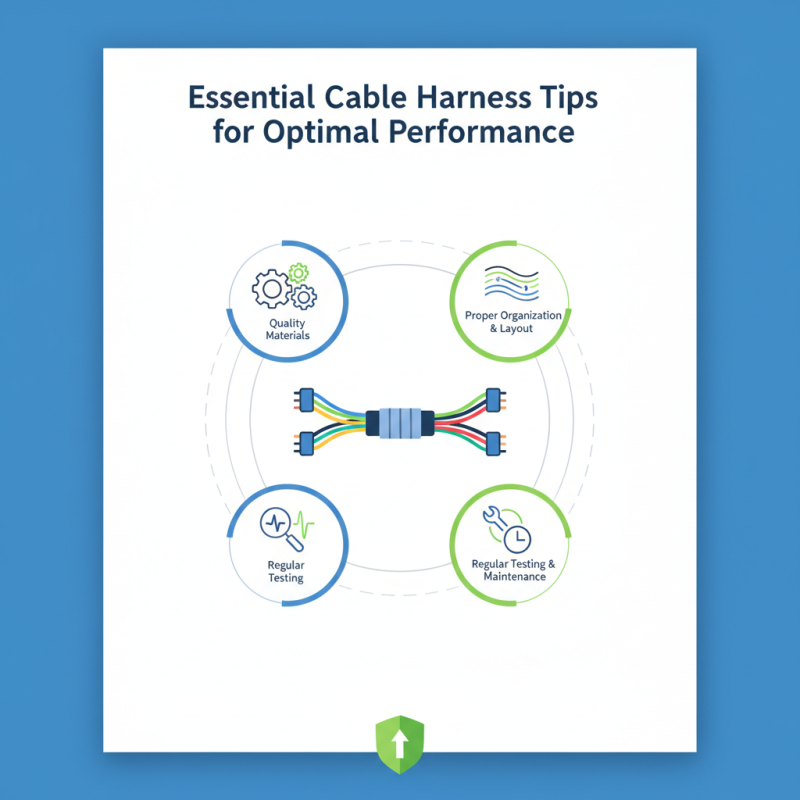
To achieve optimal performance, one must consider several factors. Quality materials play a vital role. If inferior components are used, the longevity and functionality may suffer. Proper organization and layout are equally crucial. Disorganized wiring can lead to interference and complications. Remember, even the best cable harness can fall short if it is not designed with care.
However, many overlook the need for regular testing and maintenance. This step is essential but often neglected, leading to unexpected failures. Each cable harness tells a story, and understanding its intricacies can highlight potential flaws. Emphasizing these aspects can enhance overall performance and ensure reliability in demanding environments. Recognizing the significance of these elements can drive innovation within the industry.
Understanding Cable Harness Basics and Components
A cable harness consists of multiple wires bundled together. It provides organization and protection. This makes installations cleaner and simpler. However, many overlook the importance of selecting the right components.
Quality connectors, for example, are critical. They should match the wire gauge and application. A poor connection can lead to signal loss. Similarly, the insulation type matters. Different environments require different materials. Using the wrong one can compromise performance. It’s about understanding what works best in each situation.
Regular inspections are often neglected. Checking for wear or damage can prevent future failures. Noticing issues early saves time and money. Sometimes, we get comfortable and miss vital details. Adapting to feedback and changing conditions is key. A small adjustment can lead to significant improvements. The aim is optimal performance, so be proactive.
Identifying Common Issues in Cable Harness Performance
Cable harnesses are vital for efficient electrical systems. However, they can face several performance issues over time. One common issue is wear and tear, especially at connection points. These areas are prone to fraying and breakage, leading to potential failures. Regular inspections can help catch such problems early.
Another issue is improper routing. If the harness is too tightly bundled or twisted, it can create stress. This can lead to interference, which affects overall performance. Moreover, environmental factors play a role. Excess heat, moisture, or exposure to chemicals can degrade materials and cause malfunctions.
Sometimes, visibility of issues is limited. Hidden damage could go unnoticed for extended periods. This makes regular maintenance critical. Identifying these issues early ensures the longevity and reliability of the system. Keeping a close eye on these factors can significantly improve cable harness performance.
Maintenance Tips for Longevity and Reliability in Cable Harnesses
Cable harnesses play a crucial role in ensuring optimal performance in various applications. Regular maintenance can significantly enhance their longevity and reliability. Inspect the wires and connectors frequently. Look for signs of wear, such as fraying or discoloration. A small issue can lead to bigger problems if ignored.
Storage conditions impact the lifespan of cable harnesses. Avoid placing them in damp or excessively hot environments. These conditions can cause corrosion or insulation failure. Additionally, keep connectors clean. Use a soft brush or cloth to remove dirt and debris. Simple actions can prevent potential failures in the future.
Make it a habit to test your cable harnesses regularly. Use a multimeter to check continuity. It’s a reliable way to spot issues early. Sometimes, just visual inspection isn’t enough. Lastly, remember that even high-quality harnesses need care. Neglect can lead to unexpected downtime. Balancing routine checks and proactive measures is key.
Essential Cable Harness Tips for Optimal Performance
| Tip |
Description |
Frequency of Maintenance |
Potential Issues |
| Visual Inspection |
Regularly check for signs of wear, corrosion, or damage. |
Monthly |
Short circuit, signal loss |
| Proper Strain Relief |
Ensure all cables are secured and relieved of excess tension. |
After installation and quarterly |
Cable fraying, disconnection |
| Environmental Protection |
Use protective conduits in harsh environments. |
As needed |
Exposure damage, insulation breakdown |
| Connector Care |
Clean and inspect connectors regularly to maintain electrical contact. |
Every six months |
Intermittent connection, increased resistance |
| Cable Management |
Organize cables to prevent tangling and damage. |
Ongoing |
Wear and tear, signal interference |
Testing and Troubleshooting Techniques for Optimal Performance
When working with cable harnesses, testing and troubleshooting are crucial. Identifying issues early can prevent bigger problems down the road. Start by inspecting the cables for visible wear or damage. Look for frayed ends or exposed wires. These signs can indicate potential failures.
One effective tip involves using a multimeter. Check for continuity across the wires. If you find an open circuit, it might mean a break somewhere. These devices are simple to use and can save time.
Another important technique is to track cable routes. Misrouted cables can lead to wear and shorts. Documenting their paths helps in future troubleshooting. If a cable harness has multiple connections, label them clearly. It’s easy to mix them up, especially under stress.
Keep in mind that even after thorough testing, problems may still occur. Regular maintenance is necessary. Reflecting on past issues can improve your approach. Each failure teaches us something new about our setups.
Essential Cable Harness Testing Techniques
This bar chart depicts the effectiveness of various testing and troubleshooting techniques for optimal performance of cable harnesses. The data reflects the average success rate of each technique used by technicians in the field.