What is DC MCCB and How Does It Work?
In the ever-evolving world of electrical systems, understanding the role of DC MCCB (Direct Current Molded Case Circuit Breaker) is essential. Experts like John Smith, a leading figure in electrical engineering, emphasize, "The reliability of DC MCCB systems can dramatically influence safety and performance." This highlights the importance of these devices in today's industries.
DC MCCBs serve as critical components, interrupting electrical currents to protect circuits from overloads and faults. Their operation is pivotal in renewable energy applications, such as solar power systems, where direct current is prevalent. The implementation of DC MCCBs can present challenges that require careful consideration and expertise.
While many view DC MCCBs as straightforward devices, the intricacies of their design and functionality merit deeper exploration. A lack of understanding can lead to misapplications or failures in critical systems. As industries push towards sustainable energy solutions, the role of DC MCCBs grows ever more significant. It invites both innovation and reflection on best practices for their usage.
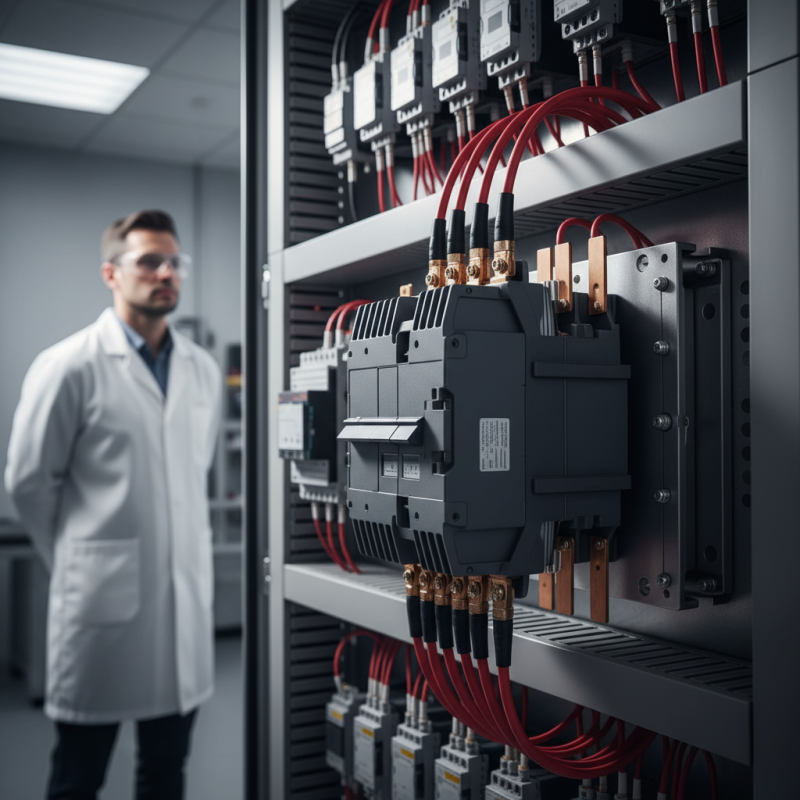
What is a DC MCCB?
DC MCCB, or Direct Current Molded Case Circuit Breaker, is essential in electrical systems. It offers protection against overloads and short circuits. This device can manage high currents, making it vital for various applications. According to recent industry reports, the global market for DC MCCBs is expected to grow significantly, reaching an estimated value of $1.2 billion by 2025.
Understanding how a DC MCCB operates is crucial for both safety and efficiency. It functions by using electromagnetic or thermal mechanisms to disconnect circuits when a fault is detected. The response time of this device can vary based on its design and environment. Under certain conditions, it may not trip as quickly as expected, which raises concerns about its reliability. Some installations report that environmental factors can affect performance, exhibiting a clear need for regular maintenance.
Moreover, the installation and configuration of DC MCCBs are not without challenges. Improper settings or poor circuit design can lead to failures. Studies show that nearly 30% of MCCB failures are attributed to installation errors. Users must ensure that they follow best practices and manufacturer guidelines. Regular testing and inspections are necessary not only for compliance but also for optimal functionality.
Components of a DC MCCB
DC MCCBs, or Direct Current Molded Case Circuit Breakers, are vital for controlling electrical circuits. They protect circuits from overloads and short circuits. The main components of a DC MCCB include thermal and magnetic trip units, a mold case, and terminals. Each section plays a role in ensuring safe operations.
The thermal trip unit responds to heat generated by excessive current. It operates slowly to avoid nuisance tripping. The magnetic trip unit acts quickly during short-circuit conditions. This dual protection is essential for ensuring the longevity of the electrical system.
Tips: Regular maintenance of DC MCCBs is crucial. Inspect for signs of wear or damage to terminals. Ensure the trip mechanisms are functioning correctly to avoid unexpected failures. Familiarity with each component can enhance troubleshooting skills, allowing for quicker repairs when needed. Always refer to manufacturer guidelines during inspections to ensure compliance and safety.
Understanding the components can make troubleshooting easier. Users should keep an eye on the environment of their MCCBs. High humidity or excessive dust can affect performance. Investing time in education about DC MCCBs can ultimately save costs in repairs and replacements.
How Does a DC MCCB Operate?
A DC MCCB, or Direct Current Miniature Circuit Breaker, is essential for circuits that use direct current. It monitors the current flowing through the circuit and disrupts the connection if levels exceed safe limits. This action protects equipment from damage and prevents dangerous situations, such as electrical fires. However, understanding its operation requires a closer look at its components and function.
Inside a DC MCCB, you will find a trip mechanism and bimetallic strips. The trip mechanism activates when current levels become critical. Bimetallic strips bend under excessive heat, triggering the breaker to open. This is a simple yet efficient design. In some cases, users may overlook regular testing and maintenance, which can lead to failures. Regular checks ensure optimal performance and reliability.
The operational process is straightforward but not foolproof. A DC MCCB must be sized correctly for the circuit's specific needs. If undersized, it could trip unnecessarily; if oversized, it may fail to protect. Misjudgments can lead to increased risks. Users should evaluate their choices carefully and consider expert advice to ensure accurate application and installation.
Applications of DC MCCBs in Various Industries
DC MCCBs, or Direct Current Molded Case Circuit Breakers, are essential in various industrial applications. They protect electrical systems from overloads and short circuits. In industries like renewable energy, DC MCCBs are crucial in solar inverters. They safeguard against potential faults, ensuring safety and efficiency.
In data centers, DC MCCBs protect sensitive equipment. They help in maintaining stable operations, which is vital for uninterrupted service. In combination with other protective devices, they minimize downtime and enhance system reliability. Hospitals also rely on these breakers to ensure continuous power for critical devices.
Tip: Regular maintenance of DC MCCBs is necessary. Inspect connections and perform routine tests to ensure optimal performance. Small issues can lead to significant problems if unchecked. Awareness and proactive measures can prevent costly disruptions.
What is DC MCCB and How Does It Work? - Applications of DC MCCBs in Various Industries
| Industry | Application | Voltage Rating | Current Rating | Key Features |
| Renewable Energy | Solar Power Systems | 250 VDC | 100 A | Overload & Short-Circuit Protection |
| Transportation | Electric Vehicles | 600 VDC | 250 A | Rapid Trip Reaction |
| Telecommunications | Data Centers | 48 VDC | 125 A | High Reliability |
| Industrial Automation | Motor Control Circuits | 480 VDC | 150 A | Durable Construction |
| Marine | Ship Electrification | 500 VDC | 200 A | Corrosion Resistant Materials |
Advantages and Limitations of DC MCCBs
DC MCCBs, or direct current molded case circuit breakers, play a vital role in electrical systems. They provide overcurrent and short-circuit protection, especially in renewable energy applications. Their ability to interrupt DC currents safely is crucial for systems like solar power setups. However, they come with both advantages and limitations.
One significant advantage of DC MCCBs is their compact design. They occupy less space, making them suitable for small installations. Their robust performance ensures reliable protection under varying electrical loads. Maintenance is generally straightforward, which is appealing for many users. On the downside, there are challenges to consider. DC MCCBs may have lower breaking capacities compared to AC units. This limitation can lead to potential risks in high-power applications.
Also, the choice of materials affects their performance. Some models may experience reliability issues over time. Users must be cautious and conduct regular inspections. Despite these drawbacks, DC MCCBs remain an essential component in modern electrical systems. They offer a blend of safety and efficiency, making them a popular choice in various sectors.