What is a Cryogenic Gearbox and How Does It Work?
Cryogenic Gearboxes are critical components in various industries. They operate at extremely low temperatures, making them unique and essential for specific applications. According to Dr. Emily Foster, an expert in cryogenic technology, "The efficiency of a cryogenic gearbox can significantly enhance system performance." This statement highlights the importance of understanding how these gearboxes function.
Cryogenic gearboxes are designed to handle the challenges posed by low temperatures. They consist of specialized materials and lubricants that maintain performance at sub-zero levels. This complexity makes them vital in sectors like aerospace and energy. However, the technology is not without its challenges. Designing a reliable gearbox that performs efficiently under extreme conditions requires continuous innovation.
Many companies are investing in cryogenic gearbox technology. The goal is to improve reliability and reduce operational costs. Yet, there is still room for improvement. Understanding the dynamics of cryogenic environments is essential. The precise alignment of components can be tricky, and even minor issues can lead to failures. Hence, ongoing research and development are crucial in this evolving field.
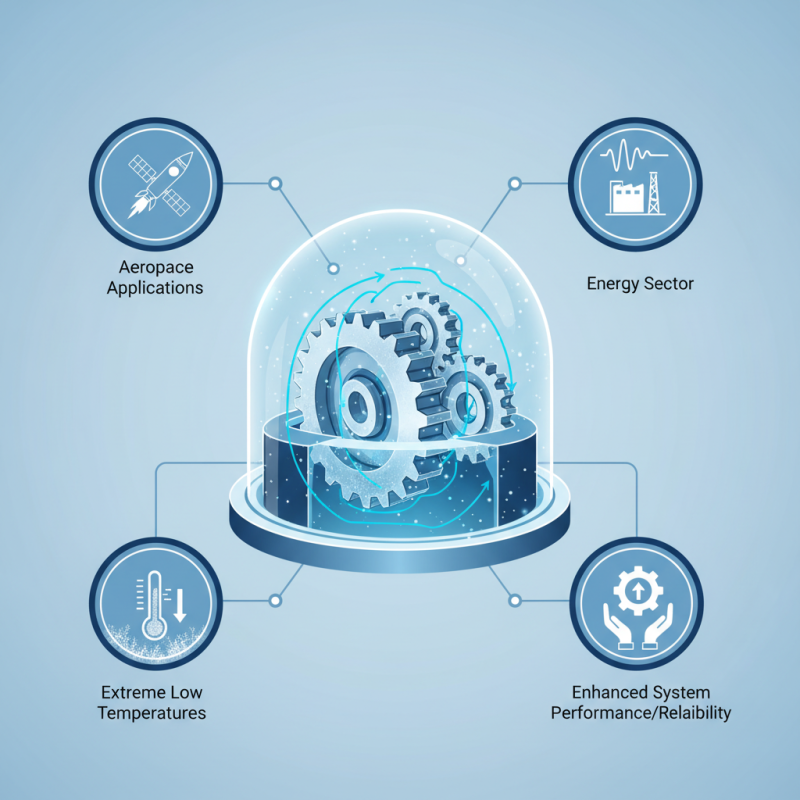
Definition of a Cryogenic Gearbox and Its Purpose
A cryogenic gearbox is designed to operate at extremely low temperatures, often below -150°C. These gearboxes are crucial in industries like aerospace and energy. Their main purpose is to efficiently transfer torque while maintaining structural integrity under such harsh conditions.
Cryogenic gearboxes utilize specialized materials, such as high-strength steel or certain alloys, to resist brittleness at low temperatures. A study by the Cryogenic Society of America highlights that improper material selection can lead to catastrophic failures in cryogenic systems. This underscores the need for meticulous engineering in design and material procurement. Engineers must also consider thermal expansion differences, as these can affect the gearbox's alignment and overall performance.
Tip: Regular maintenance checks on lubrication systems can prevent freezing and enhance gearbox life. Keeping detailed logs of performance data can identify patterns that indicate potential failures.
Critical evaluation is vital in cryogenic gearbox development. The complex interplay of temperature effects and mechanical stress must be understood thoroughly. Only through rigorous testing can we ensure reliability and efficiency. Some designs may not perform as expected, revealing gaps in our understanding that need addressing.
Key Components of a Cryogenic Gearbox
Cryogenic gearboxes play a crucial role in various applications, particularly in industries that operate at extremely low temperatures. These gearboxes are specifically designed to withstand the unique challenges posed by cryogenic conditions. Key components of a cryogenic gearbox include the housing, gears, bearings, and lubrication systems. Each of these components must be adapted for optimal performance in environments reaching temperatures as low as liquid nitrogen levels, approximately -196 degrees Celsius.
The housing of a cryogenic gearbox is typically insulated to prevent heat transfer and maintain low temperatures. Advanced materials are used to ensure durability and reduce thermal conductivity. Gears must also be designed with precision, often including special tooth profiles to minimize friction and wear at low temperatures. Bearings are another critical element; they must support heavy loads while maintaining smooth operation under extreme conditions. The choice of lubrication is vital, as typical oils may thicken or solidify, leading to failure.
A recent industry report indicates that the market for cryogenic components is expected to grow significantly, driven by advancements in energy technologies. Reliable performance is paramount, but challenges remain, particularly regarding material selection and thermal expansion. Ongoing research aims to improve the efficiency and reliability of these systems in demanding applications. More knowledge is essential to enhance the design and manufacturing processes, addressing current limitations.
What is a Cryogenic Gearbox and How Does It Work? - Key Components of a Cryogenic Gearbox
| Component | Function | Material | Operating Temperature Range | Key Features |
| Input Shaft | Transfers power from the motor to the gearbox | Steel or specialized alloys | -200°C to -100°C | High strength, low thermal expansion |
| Gear Set | Reduces speed and increases torque | Aluminum or composite materials | -200°C to -150°C | Lightweight, corrosion-resistant |
| Bearings | Support rotating components and reduce friction | Cryogenic lubricated materials | -200°C to -196°C | Minimal thermal conductivity |
| Output Shaft | Transmits power to the output system | Stainless steel | -200°C to -180°C | Durable and reliable |
| Insulation | Maintains low temperature within gearbox | Vacuum and foam composites | -200°C or lower | Excellent thermal barrier |
Operating Principles of Cryogenic Gearboxes
Cryogenic gearboxes operate under extreme cold conditions. They are designed to function efficiently at temperatures below -150 degrees Celsius. These gearboxes play a crucial role in various applications, particularly in cryogenic systems like liquefied natural gas plants and space exploration technologies.
The operating principles of cryogenic gearboxes hinge on advanced materials and precise engineering. The lubricants used must remain effective at such low temperatures. Standard oils can thicken or freeze, leading to potential failures. It's essential to select specialized lubricants that maintain fluidity in cryogenic environments. Components must also be crafted from materials that can withstand thermal contraction and resist brittle fracture.
Tips: When dealing with cryogenic systems, always emphasize safety protocols. Ensure that all components are properly rated for low temperatures. Regular checks can prevent costly downtime. Working with cryogenic gearboxes requires patience and attention to detail. Be prepared for unexpected challenges in operation and maintenance. Observing how materials respond to temperature changes can yield important insights for future projects.
Applications of Cryogenic Gearboxes in Industry
Cryogenic gearboxes are essential in various industries, particularly where extreme temperatures are involved. They operate efficiently at cryogenic temperatures, allowing for powerful torque transmission with minimal wear. This feature makes them invaluable in sectors such as aerospace, liquefied natural gas (LNG), and medical technologies.
In the aerospace sector, cryogenic gearboxes help drive engines at temperatures below -150°C. They use specialized lubricants that remain effective in such cold, ensuring reliable performance. However, challenges remain. Maintaining these systems can be complex, requiring regular checks to avoid failures in harsh environments.
The LNG industry also benefits significantly from these gearboxes. They power pumps and compressors designed to handle liquefied gases. As demand for cleaner energy sources grows, these components become crucial. Nonetheless, their installation and maintenance costs can be high, impacting long-term planning for companies. Efficient operation is vital, and small errors can lead to significant downtime.
Cryogenic Gearbox Applications in Industry
Advantages and Challenges of Using Cryogenic Gearboxes
Cryogenic gearboxes are essential in effectively harnessing the power of cryogenic temperatures for various applications, particularly in the aerospace and energy sectors. These gearboxes operate optimally at extremely low temperatures, enhancing efficiency in power transmission. According to a report by the Cryogenic Society of America, the adoption of cryogenic technologies can reduce energy losses by 20-30% in specific applications. This efficiency is crucial in industries where energy conservation is paramount.
However, the use of cryogenic gearboxes also poses notable challenges. The extreme operating conditions can lead to material stress and performance limitations. For instance, materials may become brittle at cryogenic temperatures, which complicates gearbox design and longevity. Recent studies suggest that the failure rates for gearboxes operating in these conditions can be as high as 15%, necessitating rigorous testing and maintenance practices.
Moreover, the initial investment in cryogenic technologies can be substantial. High manufacturing costs and the need for specialized materials contribute to the overall expenses. While the potential savings in energy can offset these costs over time, the upfront investment can deter some industries from adopting this technology. Balancing these advantages and challenges is critical for organizations considering cryogenic gearboxes in their operations.