How to Choose the Right Suction Hopper for Your Needs?
Choosing the right Suction Hopper can significantly impact your operation's efficiency. This decision should be based on various factors that match your specific needs. Understanding these aspects will help you make an informed choice.
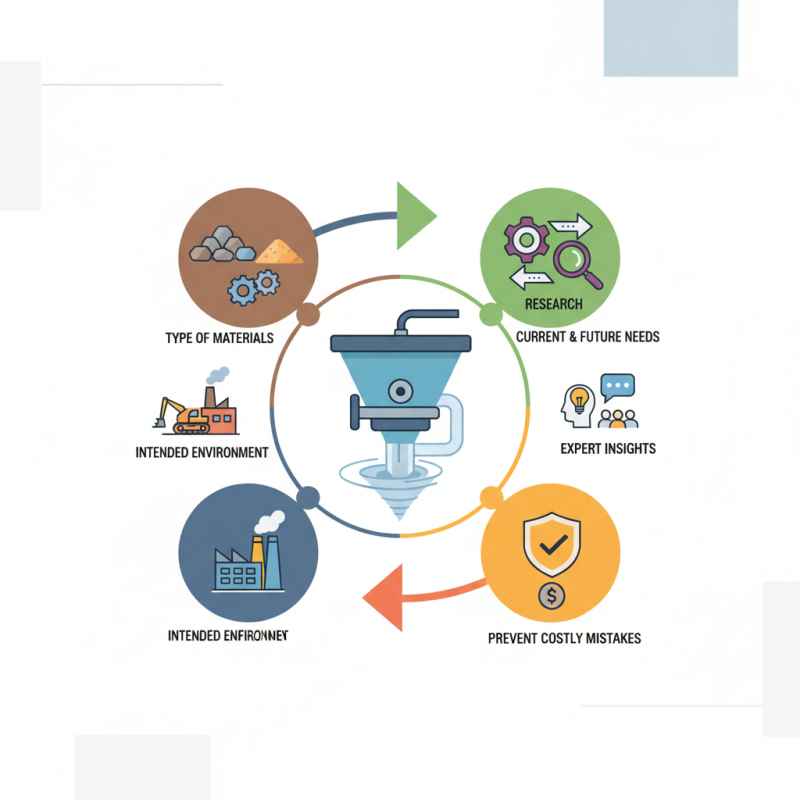
Suction Hoppers come in different sizes, designs, and functionalities. Consider the type of materials you will work with. Heavy materials may require a more robust design. Also, think about the intended environment, such as construction sites or manufacturing plants. Each setting poses unique challenges that a properly selected Suction Hopper can address.
It’s important to evaluate your current and future needs. Some features may seem unnecessary today but could prove vital later. Investing time in research can prevent costly mistakes. Gathering insights from experts can also guide you in making the right choice.
Understanding the Different Types of Suction Hoppers Available
When selecting a suction hopper, understanding the types available is crucial. Suction hoppers vary widely in design and function. Some are portable and easily transportable, while others are heavy-duty and suited for industrial use. Each type addresses specific needs, making it essential to assess the intended environment. For example, if you work in tight spaces, a compact model may be ideal.
Consider the material and capacity of the suction hopper. Different materials, like stainless steel or plastic, cater to various substances. The capacity affects how much material can be processed before needing a refill. Some hoppers also offer customizable features, allowing for adjustments based on the job requirements. It's essential to reflect on the importance of choosing the right fit. Picking the wrong type can lead to inefficiency and increased costs.
Reflecting on your past experiences can refine your selection process. Maybe you’ve struggled with a model that’s too heavy or complex. Learning from those moments fosters growth in future decisions. Remember, not every suction hopper will suit every task, and that’s okay. Evaluating your operational needs will guide you to the most effective choice.
Identifying Your Specific Material Handling Requirements
Choosing the right suction hopper is crucial for effective material handling. Understanding specific material types is essential. Different materials have unique properties. For instance, plastic pellets differ significantly from powders in flowability. A report from the Material Handling Industry suggests that improper handling can lead to a 20% increase in losses.
Consider the required throughput as well. A suction hopper must match production speed. If the capacity is too low, bottlenecks occur. According to the Institute of Packaging Professionals, materials requiring frequent changeover may need a more versatile hopper design. Reflect on the size of the material particles. Larger particles can clog systems not designed for them.
Finally, assess the environmental factors. Humidity can affect powders significantly. A more reliable design may be required in adverse conditions. Effective hoppers can enhance efficiency. Data from industry surveys show that companies investing in tailored systems report a 15% boost in overall productivity. Understanding these factors makes for a smarter choice when selecting a suction hopper.
How to Choose the Right Suction Hopper for Your Needs? - Identifying Your Specific Material Handling Requirements
| Material Type | Recommended Suction Hopper Size | Ideal Suction Pressure (in Hg) | Bulk Density (kg/m³) | Special Considerations |
| Plastic Pellets | 5-10 liters | 20-25 | 600-800 | Avoid static electricity |
| Powdered Materials | 10-20 liters | 25-30 | 400-600 | Consider dust collection |
| Granules | 15-25 liters | 15-20 | 700-900 | Ensure compatibility with moisture |
| Sands and Aggregates | 20-30 liters | 30-35 | 1200-1500 | Consider moisture and clumping |
| Food Products | 10-15 liters | 15-20 | 500-700 | Comply with hygiene standards |
Evaluating the Capacity and Efficiency of Suction Hoppers
When evaluating the capacity and efficiency of suction hoppers, consider several crucial aspects. Capacity varies greatly between different models. It's essential to assess your specific needs. A larger capacity can be beneficial for high-demand applications. However, this might lead to increased space requirements and energy consumption. Strike a balance based on your operational needs.
Efficiency is another critical factor. Look for suction hoppers that offer optimal performance without excessive energy use. A well-designed hopper should effectively minimize downtime during the unloading process. It’s wise to scrutinize the design details as they can impact the overall efficiency. For example, a curved inlet may reduce clogs and enhance flow. However, aesthetic designs may sacrifice function. Reflection on these trade-offs is necessary.
Making the right choice involves understanding your unique circumstances. Test various models to see how they perform under real conditions. Be prepared for unexpected results. Real-world performance can differ from manufacturer claims. Collecting feedback from current users can provide invaluable insights. Engage with experts to broaden your understanding and refine your selection process.
Considering Maintenance and Durability Factors in Equipment Selection
When choosing a suction hopper, maintenance and durability are vital. Many operators overlook these factors but neglecting them can lead to increased costs and downtime. According to industry reports, nearly 30% of equipment failures stem from poor maintenance practices. It’s essential to select hoppers designed for longevity and ease of cleaning. Regular maintenance checks can significantly extend the lifespan of your equipment.
Tips: Opt for materials that resist corrosion to minimize wear and maintenance. Look for hoppers with easily accessible components for routine inspections.
Consider the environment where the hopper will operate. Extreme temperatures or exposure to chemicals can negatively impact performance. A durable hopper designed to withstand these conditions may initially cost more but can save you money long-term. It's also important to have a documented maintenance program. Companies that implement such programs see a 15% decrease in equipment breakdowns.
Tips: Keep a log of maintenance activities to track performance. Regularly review and adjust your maintenance schedule based on usage patterns.
Analyzing Cost vs. Performance for Your Suction Hopper Needs
When selecting a suction hopper, cost and performance often compete for your attention. Many people assume a higher price guarantees better quality. However, this isn’t always true. Consider the specific requirements of your tasks. A powerful suction may be essential for heavy materials, while lighter ones may only need efficiency.
Analyzing the cost is crucial. Some hoppers may have lower initial costs but require frequent maintenance. This hidden cost can add up quickly. On the other hand, investing in a reliable model might seem expensive upfront but can lead to long-term savings. Look into the materials used and durability ratings before making a decision.
Performance can vary widely across different models. It’s essential to assess how a hopper performs under real-world conditions. Reading user reviews can reveal valuable insights. Be cautious of models with overly positive reviews, as they may not reflect actual performance. Remember, a perfect match might not exist. Balancing budget constraints with performance needs is an ongoing process that requires careful consideration and some trial and error.