How to Choose the Best Crown Block for Your Crane Needs?
When selecting a Crown Block for your crane needs, several factors come into play. A crown block plays a vital role in lifting operations. It supports the sheaves and helps manage the cables efficiently. Understanding its features is crucial.
Different projects require different specifications. The weight capacity, size, and material of the crown block must match your crane. Experienced operators often highlight the importance of reliability in their choices. Selecting the wrong block can lead to operational inefficiencies. It is essential to consider the specific demands of your lifting tasks.
Quality should never be compromised. A well-designed crown block enhances productivity and safety. However, even the best options have limitations. Assess your past experiences and consult with industry experts. This approach helps identify potential gaps. Making an informed decision ensures that your crane operates smoothly and effectively.
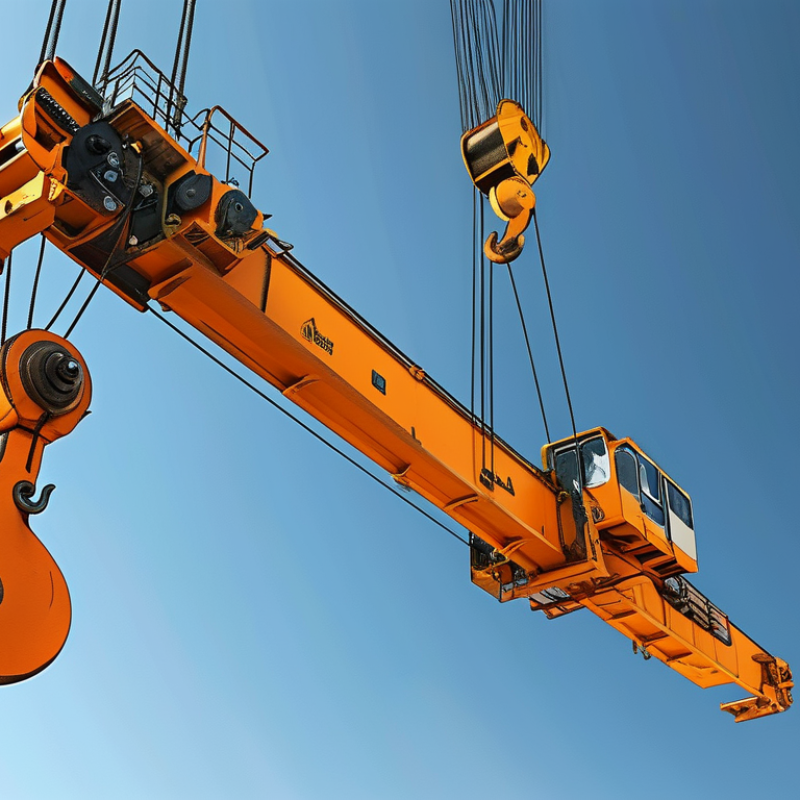
Understanding the Functionality of Crown Blocks in Cranes
Crown blocks play a pivotal role in crane operations. Essentially, they facilitate the lifting and lowering of loads. Their design includes sheaves, which redirect wire ropes. This mechanism ensures efficient load management and reduces friction. Understanding how crown blocks function can enhance crane safety and productivity.
When selecting a crown block, consider factors like load capacity and environmental conditions. The materials used in crown block construction affect durability. Steel and aluminum are common choices, each with pros and cons. Regular maintenance is essential to ensure optimal performance and prevent failures. Neglecting this aspect can lead to accidents and costly downtime.
Evaluating the compatibility of a crown block with your crane is vital. Not all blocks fit every crane model. Take time to analyze specifications carefully. An ill-suited block can hamper efficiency. It may even pose serious safety risks. Each crane application is unique, so a tailored approach is crucial in making the right choice.
Identifying Your Crane's Load Capacity and Requirements
When selecting the right crown block for your crane, the load capacity is crucial. Each crane has a specific load limit. Understanding this limit ensures safe operations. For example, a crane with a capacity of 10 tons requires a crown block designed to handle at least that weight. Misjudging this can lead to accidents or equipment failure.
Additionally, consider your operational requirements. Factors such as the frequency of use and lifting conditions matter. Heavy, regular use may necessitate a more durable design. Conversely, infrequent and lighter tasks might allow for a simpler block. It's essential to analyze your unique needs thoroughly. Overlooking details can result in poor performance or increased costs.
Always consult experts when in doubt. Industry professionals can provide insights tailored to your specific situation. However, remember that not all advice is perfect. There may be limitations based on your local environment or conditions. Taking time to assess all factors will lead to better choices. Don’t rush this important decision.
How to Choose the Best Crown Block for Your Crane Needs?
This chart displays the load capacities of various types of crane blocks to help identify appropriate options based on your crane's requirements.
Exploring Different Types of Crown Blocks Available
When choosing a crown block for crane operations, understanding the types available is crucial. Crown blocks can significantly influence lifting efficiency and overall safety. The most common options include sheave blocks, which feature grooved wheels for better cable management. According to industry reports, sheave blocks account for over 60% of crown blocks used in heavy lifting.
Another prevalent type is the double-sheave block. This type allows for increased load capacity, often two to three times that of a single sheave. Usage of double-sheave blocks has grown by approximately 25% over the past five years, reflecting the demand for more efficient lifting solutions. However, their installation can be complex, sometimes leading to improper setups, which could cause significant risks.
The choice between these blocks also depends on specific project needs. Factors like load weight, lifting height, and existing crane specifications play vital roles. In some cases, operators overlook critical compatibility details, resulting in performance issues. A miscalculated load angle might decrease safety margins, making careful consideration essential. Being well-informed about each type, including potential drawbacks, can lead to better decision-making in the field.
Evaluating Material Quality and Durability for Crown Blocks
When selecting a crown block for crane operations, material quality and durability should be prioritized. Crown blocks are often exposed to harsh conditions, and the materials used significantly impact their lifespan. Steel is a common choice, as it offers excellent strength. However, not all steel is created equal. It's crucial to examine grade specifications to ensure optimal performance.
Durability comes not just from the material, but also from the manufacturing process. Look for crown blocks that undergo rigorous testing for structural integrity. Sometimes, the appearance may seem perfect, yet hidden flaws could compromise safety. Regular maintenance can reveal deterioration signs over time, highlighting the need for routine inspections.
Choosing the right material might seem straightforward, but it can be misleading. Some lighter materials may be appealing due to lower weight. However, they often lack the resilience needed for heavy-duty applications. Be cautious and weigh the specific demands of your crane operations. A poorly chosen crown block can lead to failures and safety hazards. Thus, thoughtful consideration is necessary throughout the selection process.
Consulting Experts: When to Seek Professional Guidance
When selecting the best crown block, expert advice can be invaluable. These professionals bring years of experience and specific knowledge about crane systems. They understand the nuances that each project demands. Their insights can help you navigate through various options, ensuring your choice aligns with operational needs and safety standards.
Timing is crucial when seeking guidance. If you are unsure about load capacities or specific functions, consulting an expert may prevent costly mistakes. It's advisable to seek help early in the decision-making process. This proactive approach can save both time and resources. Poor choices can lead to operational inefficiencies or even accidents.
Additionally, be open to feedback from these professionals. They may spot potential issues that you might overlook. Constructive criticism can lead to better outcomes. Remember, every decision in crane operation can have significant implications. Prioritizing expert consultation is a step towards ensuring safety and efficiency in your projects.
How to Choose the Best Crown Block for Your Crane Needs? - Consulting Experts: When to Seek Professional Guidance
| Dimension | Weight Capacity (Tons) | Material Type | Application Type | Maintenance Interval (Months) |
| 20 in x 20 in | 10 | Steel | Construction | 6 |
| 24 in x 24 in | 15 | Aluminum | Marine | 12 |
| 30 in x 30 in | 20 | Carbon Fiber | Industrial | 18 |
| 36 in x 36 in | 25 | Stainless Steel | Oil & Gas | 24 |