Top Tips for Choosing Laser Heads for Your Needs?
Choosing the right Laser Heads is crucial for your projects. It requires careful consideration of various factors. According to a report from Market Research Future, the laser head market is expected to grow at a CAGR of 8.5% from 2023 to 2030. This growth shows increasing demand in many sectors, including manufacturing and healthcare.
Dr. Emily Carter, a prominent figure in the laser technology sector, emphasizes, “Selecting appropriate laser heads can dramatically enhance efficiency.” This statement reflects the need for understanding specifications and applications. Laser heads vary widely in power, wavelength, and cooling methods. Each type serves different industrial needs.
A wrong choice can lead to inefficiency and wasted resources. Different industries require different laser heads. It is essential to match the laser head to your specific application. Not fully understanding these needs can result in underperformance. Reflect on what your project demands before deciding.
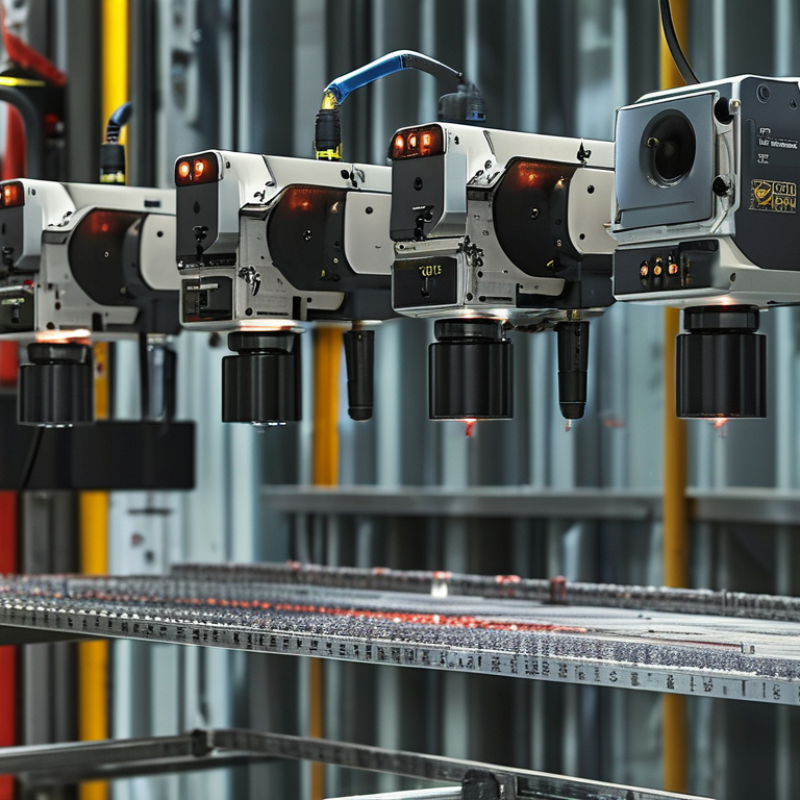
Understanding Different Types of Laser Heads Available in the Market
When choosing laser heads, understanding the types available in the market is crucial. Laser heads are categorized mainly by their application. CO2 laser heads excel in cutting and engraving materials like wood and acrylic. They are often found in small to medium-sized businesses that focus on creative projects. According to a recent industry report, the global CO2 laser market is projected to grow by 8% annually, reaching nearly $820 million by 2026.
Fiber laser heads offer another option. These are ideal for metal engraving and cutting. The efficiency of these lasers is impressive, delivering high precision with minimal maintenance. The Laser Institute of America notes that fiber lasers can be up to 10 times faster than traditional CO2 lasers for certain tasks. This makes them suitable for manufacturing environments where speed and accuracy are paramount.
Consider the power output needed for your applications. Lower wattage heads may be sufficient for engraving, while higher wattage is essential for cutting thicker materials. Evaluate your workflow and operational needs carefully. A common mistake is underestimating the importance of cooling systems. Adequate cooling can prolong the life of your equipment and enhance performance. These details are often overlooked, yet they are vital for making an informed decision.
Top Tips for Choosing Laser Heads for Your Needs
| Laser Head Type | Wavelength (nm) | Power Output (W) | Applications | Cost ($) |
| CO2 Laser Head | 10,600 | 40-150 | Cutting, Engraving | 500-2000 |
| Fiber Laser Head | 1064 | 20-1000 | Marking, Engraving, Cutting | 300-5000 |
| Nd:YAG Laser Head | 1064 | 10-100 | Medical, Material Processing | 1000-3000 |
| Diode Laser Head | 800-980 | 1-100 | Medical, Industrial | 200-3000 |
Factors to Consider When Choosing a Laser Head for Specific Applications
When selecting a laser head for specific applications, various factors come into play. The required precision level can significantly dictate your choice. For instance, industrial laser cutting often demands a tolerance of ±0.1 mm. This level of accuracy ensures high-quality cuts that meet stringent manufacturing standards. Data indicates that using precise laser heads can improve yield rates by up to 30%.
Another critical consideration is the material being processed. Different materials, like wood and metal, require distinct laser wavelengths for optimal results. Research shows that CO2 lasers are effective for cutting non-metals, while fiber lasers excel in metal applications. This specificity highlights the importance of matching the laser head to the material.
The cooling method is also essential. Active cooling systems typically allow for longer operational periods without overheating. Studies suggest that systems with proper cooling can run up to 50% longer than those without. However, integrating these systems can complicate the overall setup. Reflecting on these considerations helps to tailor a laser system that meets both efficiency and quality demands.
Evaluating the Power and Efficiency of Laser Heads for Your Needs
When evaluating laser heads for your specific needs, it's essential to consider their power and efficiency. Power typically ranges from 5W to 150W in most industrial applications. Higher wattage often leads to faster cutting and engraving speeds. However, it's crucial to balance power with the material being processed. For example, softer materials may require lower wattage to avoid damage.
Efficiency comes into play in various ways. The optical quality of the lens and mirror systems can significantly impact performance. Poor-quality optics can waste power and reduce precision. According to industry reports, efficient laser heads can improve operational productivity by up to 25%. This data highlights the necessity of investing in reliable components.
Here are some tips to consider:
- Assess the materials you plan to work with, as this affects the power needed.
- Choose laser heads with high-quality lenses for better efficiency.
- Ensure that the cooling system is adequate; overheating can lead to inconsistent results.
Ultimately, understanding your specific applications will guide you in selecting the appropriate laser head for optimal performance. Evaluate your options carefully. A thoughtful choice can lead to significant improvements in both productivity and precision.
Compatibility: Ensuring Your Laser Head Matches Existing Equipment
When selecting a laser head, compatibility is crucial. You must ensure that the new head fits with your existing equipment. Measure mounting points carefully. Check the electrical connections, as mismatches can lead to costly repairs or unsafe operations. You want a seamless integration that enhances performance.
Different laser heads have varied specifications. Some may offer high power but lack precision. Others might excel in fine detail but struggle with speed. Finding the right balance is essential. It’s easy to overlook these details, but doing so may affect your operations. Take time to consult with experts or trusted sources. Their insights can guide your decisions.
Finally, don't forget about compatibility with your materials. Some laser heads perform better on specific substrates. It helps to gather feedback from experienced users. Their practical insights can save you trouble later. Keep an open mind and be willing to adapt your choices. This approach fosters a better understanding of your equipment needs.
Top Tips for Choosing Laser Heads for Your Needs
This chart represents the importance rating of various factors to consider when choosing a laser head for your equipment. Compatibility ranks highest, indicating its critical role in ensuring optimal functioning with existing systems.
Budgeting: Balancing Cost and Quality in Laser Head Selection
Budgeting for laser heads requires careful consideration. Quality often correlates with price. Research indicates that investing 20% more in a high-quality laser head can enhance performance by up to 30%. This is crucial for industries like manufacturing. Poor-quality components can lead to more frequent breakdowns, ultimately increasing costs.
Understanding the tech specifications is essential. High-quality laser heads typically have improved precision and longevity. These features can significantly reduce maintenance costs. A data report from the Laser Institute of America found that businesses save up to 25% annually by choosing reliable products. This suggests that the initial budget should include potential long-term savings.
Balancing cost and quality isn’t easy. It's common to underestimate future expenses related to cheap products. Some users may opt for lower-cost options, only to replace them sooner. A miscalculated budget can hinder productivity and innovation. Knowing your operational needs is vital. Evaluate how often you'll use the equipment and its expected lifespan. This decision shapes the overall efficiency of your operations.