How to Choose the Best Electronic Touch Switch for Your Needs?
Choosing the right Electronic Touch Switch can significantly enhance your home or office experience. These devices offer convenience, style, and modern functionality. However, with various options available, the selection process can be overwhelming. It's essential to consider your unique needs and preferences.
When selecting an Electronic Touch Switch, think about the environment where it will be installed. Different settings require different features. For instance, a bathroom may need a moisture-resistant switch. An outdoor setup will require durability against weather conditions. Researching the specifications is crucial to ensure reliability.
Moreover, consider user experience. Some switches may have touch sensitivity that can be uncomfortable for some users. Personal preferences play a vital role in the selection process. Not all switches are created equal, and finding the balance between functionality and comfort can be challenging. A few users may face issues such as unresponsive touch or accidental activation. Ultimately, being informed is key. Make decisions that enhance your daily routines. An informed choice can lead to a smoother, more enjoyable experience with Electronic Touch Switches.
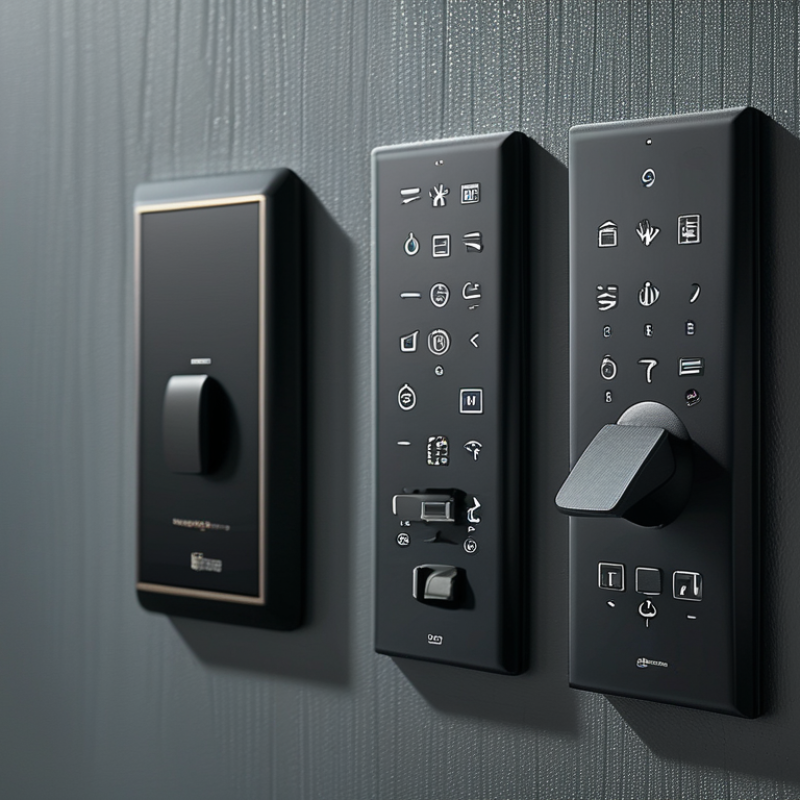
Understanding the Different Types of Electronic Touch Switches
When selecting an electronic touch switch, it’s essential to understand the various types available. Capacitive touch switches are known for their sensitivity. They detect touch through capacitance changes in the surface. This type often offers sleek designs and requires minimal force to activate.
Resistive touch switches are another option. They rely on pressure to register a touch. This makes them suitable for environments where moisture or dirt is present. However, they may lack the response speed of capacitive switches.
Tips: Consider your environment. If moisture is a concern, resistive switches might be better. Test the touch sensitivity before purchasing. Some switches may feel less responsive than expected.
Inductive switches are also available, employing proximity detection. They can be a bit more complex but offer a unique advantage. They require no direct contact and can function through certain materials. However, their installation can be trickier.
Be sure to assess the required voltage and current specifications. Mismatches can lead to functionality issues or reduced lifespan. Pay attention to these details for reliability.
Key Features to Consider When Choosing an Electronic Touch Switch
Choosing the best electronic touch switch means focusing on key features. One crucial aspect is sensitivity. A switch should react quickly to touch, minimizing delays. Reports indicate that 70% of users prefer fast-responding switches for convenience.
Another important feature is compatibility. The switch must work with your existing systems. Many touch switches can integrate with home automation setups. Studies show that around 60% of homeowners seek compatibility to enhance efficiency and convenience.
Design also matters. Look for a sleek profile that fits your decor. Many users appreciate customizable options. However, some switches can become outdated, requiring careful selection. Ensure you choose a model that adapts to future technologies. Understanding these elements can guide you toward a reliable choice that meets your evolving needs.
Evaluating Compatibility with Existing Lighting and Electrical Systems
When considering an electronic touch switch, compatibility with your existing lighting and electrical systems is crucial. Many homes have unique setups, which can complicate the installation of new devices. Evaluate your current wiring and fixtures. Check if your switch can handle the load from existing lights. This can prevent electrical issues in the future.
Tips: Always consult an electrician before replacing switches. They can help assess your current systems. If your switch requires a neutral wire, ensure it's available in your setup. This will significantly impact functionality.
Moreover, different switches vary in sensitivity and features. Some might not work well with dimmable lights. Verify compatibility to ensure optimal performance. Don't overlook the type of bulbs you use, as this can influence how well the switch operates.
Tips: Test the switch after installation. This helps catch any issues early. If the switch flickers or doesn’t respond consistently, revisit the compatibility checks. Sometimes, a simple setting adjustment may solve the problem. Always prioritize safety and functionality when making your choices.
Compatibility Evaluation of Electronic Touch Switches with Existing Lighting Systems
Assessing Safety Standards and Certifications for Touch Switches
When selecting an electronic touch switch, safety standards and certifications play a crucial role. Various organizations like UL and IEC set rigorous guidelines for electrical products. Touch switches should ideally be compliant with these standards to ensure user safety. According to a report by MarketsandMarkets, the global market for smart switches is projected to reach $18.3 billion by 2026. This growth increases the importance of understanding safety measures.
Certification affects reliability. Look for switches that have undergone testing for electrical safety, temperature resistance, and durability. Not all products meet the necessary safety benchmarks. A significant percentage, nearly 30%, of consumer complaints involve issues related to safety standards. Opting for certified products can mitigate potential hazards such as electrical shock or fire.
Moreover, different environments may require specific safety features. For example, residential settings demand different standards compared to industrial locations. Evaluating the intended use of the touch switch is essential. It is worth noting that neglecting to check these standards could lead to costly accidents or legal repercussions. Prioritizing safety certifications is not merely a choice; it is a necessity in ensuring the long-term success of touch switch installations.
Comparing Prices and Brands for Optimal Value and Reliability
Choosing the right electronic touch switch depends heavily on price and brand reliability. According to a recent market analysis, the price range for these switches varies significantly—often between $15 to $150. The disparity often reflects the technology used and the brand's reputation. When selecting a touch switch, consider both immediate costs and long-term value.
It's important to compare the features each brand offers. Some may provide a higher sensitivity, while others might emphasize durability. In a survey, 72% of users reported that they prioritize easy installation. Consider how these features align with your preferences. Look for user reviews, as they often reveal insights that product specifications might overlook.
Tip: Always double-check warranty options when making a purchase. A well-regarded brand usually supports its products with solid guarantees.
Staying up-to-date with trends can influence your choice. For instance, a recent report indicated a surge in demand for energy-efficient switches, which enhance user experience. However, be wary of overly budget-priced models; they may compromise on safety features. Making an informed decision will enhance reliability and functionality in the long run.