How to Choose the Best Electric Telescoping Mast for Your Needs?
Choosing the right Electric Telescoping Mast is crucial for various applications. These masts are essential in telecommunications, broadcasting, and emergency services. According to recent industry reports, the global market for electric masts is projected to grow by over 5% annually. This growth indicates a rising demand for efficient, reliable equipment.
When selecting an Electric Telescoping Mast, consider factors such as height, weight capacity, and deployment ease. Many users overlook the importance of portability and stability. A lightweight design is beneficial for mobile operations, yet durability should never be compromised. Some masts do not perform well in harsh weather, causing frustration and inefficiencies.
It's important to evaluate your specific needs. Not every Electric Telescoping Mast is suitable for all tasks. An assessment of your requirements can prevent costly mistakes. Additionally, consulting with industry experts can provide valuable insights. They can highlight potential pitfalls, helping you make an informed decision.
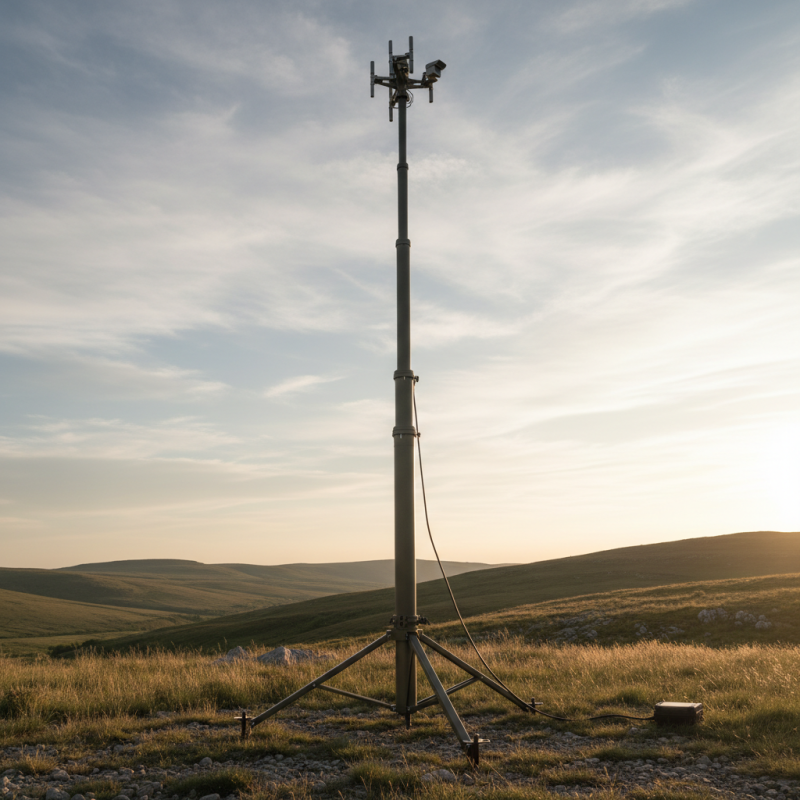
Understanding Electric Telescoping Masts and Their Applications
When selecting an electric telescoping mast, understanding its applications is crucial. These masts serve various purposes across many industries. They are often used in broadcasting, telecommunications, and surveillance. These masts allow for better signal transmission and reception by elevating antennas or cameras to optimal heights.
Choosing the right mast requires careful consideration of your specific needs. Consider factors like height requirements and load capacity. It’s essential to think about where the mast will be deployed. Some settings require a more stable base, while others might demand quick setups.
Tips: Always check the power requirements of the electric mast. Ensure your power source is sufficient for its operation. Also, think about maintenance. A well-maintained mast can last longer and perform better than one that isn’t cared for. Be reflective about your choices; consider what equipment you intend to use with the mast. Matching the mast to your gear can enhance efficiency and performance significantly.
How to Choose the Best Electric Telescoping Mast for Your Needs?
| Feature | Description | Application | Weight Capacity | Height Range |
| Material | Aluminum | Aerial Photography | 50 lbs | 10 to 30 ft |
| Operation | Remote Control | Telecommunication | 75 lbs | 15 to 35 ft |
| Power Source | AC | Broadcasting | 100 lbs | 20 to 40 ft |
| Weight | Lightweight | Inspection | 40 lbs | 5 to 25 ft |
Key Factors to Consider When Choosing an Electric Telescoping Mast
When choosing an electric telescoping mast, several key factors come into play. First, consider the height range. Many professional setups require masts that can extend between 20 to 60 feet. A data report by the International Association of Ardent Technicians highlights that 40% of users prefer masts with this height for optimal signal broadcasting.
Weight capacity is another critical element. A mast must support various equipment safely. Reports indicate that masts offering a capacity of at least 300 lbs are standard in industries like telecommunications. Assess your equipment's total weight to avoid mishaps.
Tips: Evaluate the material. Aluminum masts offer lightweight durability, while steel provides increased sturdiness. Ensure the locking mechanisms are reliable to prevent unexpected collapses.
Lastly, portability matters. Masts should be easy to transport and deploy. User feedback suggests that models weighing under 100 lbs are manageable for most operators.
When selecting a mast, also reflect on the maintenance needs. Regular inspections are vital to sustain performance. Consider the balance of durability and convenience for long-term use.
Comparing Different Materials and Designs for Telescoping Masts
Choosing the right materials and designs for electric telescoping masts can be challenging. Different materials, such as aluminum and fiberglass, offer various benefits. Aluminum is lightweight but can bend under stress. Fiberglass, on the other hand, is more durable but often heavier. Weighing the pros and cons of each material is crucial.
Designs vary significantly too. Some masts collapse neatly, while others require more manual effort to extend. A visually appealing design can be tempting, but functionality should always come first. When selecting a design, consider how it integrates with your equipment. Will it support your needs effectively?
It's also important to assess the weight capacity of the mast. Many users overlook this factor, which can lead to disappointing results. A design may appear sturdy, but what lies beneath the surface? An ideal mast should have clear specifications and real user reviews supporting its reliability. Reflecting on these aspects will help you avoid pitfalls in your purchase.
Evaluating Weight Capacity and Stability for Your Specific Needs
When choosing an electric telescoping mast, weight capacity and stability are crucial factors. The mast must support all necessary equipment without risk of failure. Understand the maximum weight limit for your operations. This ensures that the mast can handle your gear, antennae, or cameras safely.
Consider the material of the mast. Aluminum tends to be lighter but can be less stable in windy conditions. A heavier steel mast offers more stability but may compromise portability. Balancing weight and stability ensures successful deployment, especially in challenging environments.
Tip: Always conduct a field test before critical use. This helps identify any weaknesses in the setup. Additionally, analyze your weight distribution. An even load can drastically improve stability. Remember, overloading may lead to hazardous situations. Reassessing gear and setup frequently helps maintain safety standards.
Assessing Budget and Cost-Effectiveness in Mast Selection
When selecting an electric telescoping mast, budget plays a crucial role. Understanding the cost must align with your specific needs. Assess your primary purpose. Will it be for broadcasting, surveillance, or another application? Each use case has different requirements, and finding the right balance is essential.
A lower price might tempt you, but it often comes with trade-offs. Consider the durability and longevity of materials used. A cheaper mast may need frequent replacements, ultimately leading to higher costs over time. Reflect on this. Sometimes, investing more upfront is wiser.
Evaluate the long-term benefits. Look for warranties and customer service options. These factors add value to your investment. Also, research previous user experiences. Real-world feedback can help illuminate potential hidden costs. Recognizing your unique needs and available budget will guide you to a more informed decision.