China Top 10 Monitor Screens Suppliers for Global Buyers
Choosing reliable Monitor Screens suppliers in China requires more than comparing prices and product photographs. Global buyers must examine panel quality, response time, brightness, color accuracy, connectivity, and long-term production stability. A polished catalog can hide inconsistent batches. Physical samples matter.
This guide, “China Top 10 Monitor Screens Suppliers for Global Buyers,” introduces manufacturers that serve international business needs. The selection considers factory experience, product range, quality-control procedures, export capability, and customer support. It also reviews practical details, such as HDMI and DisplayPort options, VESA compatibility, packaging strength, and warranty terms. These factors can affect installation costs and after-sales risks.
Look beyond impressive specifications.
Professional buyers should request sample units, test screen uniformity, inspect dead-pixel policies, and verify relevant certifications for target markets. Factory audits may reveal whether testing is performed on every unit or only on selected batches. Supplier communication also deserves attention. Clear technical drawings, stable lead times, and transparent responses often indicate stronger operational discipline.
Rankings are not permanent. Market conditions, component availability, and supplier performance can change. A supplier with attractive pricing may still require closer monitoring during mass production. Conversely, a smaller manufacturer may provide better customization and faster communication. This overview offers a practical starting point, not a substitute for independent verification. With documented specifications and careful sampling, global buyers can reduce uncertainty and build more dependable Monitor Screens sourcing plans.
How China’s Monitor Screen Supply Market Is Structured
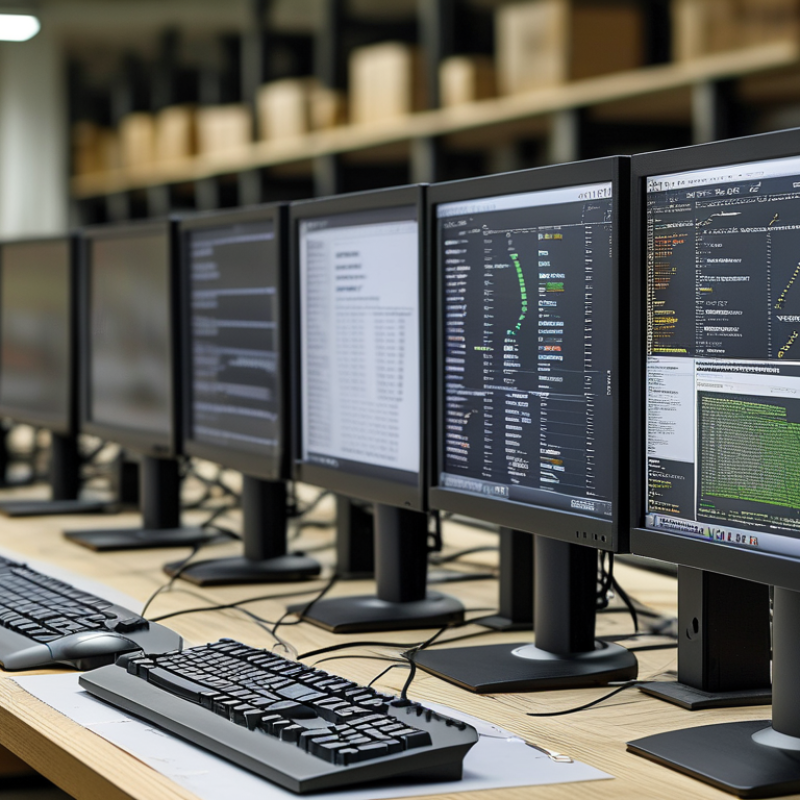
China’s monitor screen supply market is built around several connected layers, not only finished-product factories. Panel manufacturers produce glass, backlights, and display cells at large scale. Module suppliers add drivers, frames, cables, and control boards. OEM and ODM factories then assemble complete monitors for overseas buyers. This structure gives buyers flexibility, but it also makes supplier verification necessary.
In factory audits, I usually separate the top ten candidates by capability rather than online visibility. Some suppliers focus on business monitors, while others handle gaming displays, medical screens, or compact industrial panels. Coastal manufacturing clusters often provide faster access to components, testing laboratories, packaging firms, and export logistics. A trading company may offer many models, yet its engineering control can be limited. Ask for production photos, sample test reports, pixel policy, warranty terms, and monthly capacity. Details matter.
The strongest suppliers explain their quality process clearly. They can identify panel origin, inspect brightness uniformity, test ports, and record aging results before shipment. They should also confirm voltage standards, language settings, carton strength, and spare-part support. My early comparisons overvalued low quotations. That was a mistake. A cheaper screen may require more inspection, replacement units, or communication time. Buyers should compare landed cost, not only factory price. Still, documents can be incomplete, and samples may outperform mass production. A controlled trial order remains useful. Small doubts deserve attention.
China’s Top 10 Monitor Screen Suppliers for Global Buyers
China’s Top 10 Monitor Screen Suppliers for Global Buyers
China’s leading monitor screen suppliers serve office, gaming, education, medical, and industrial markets. Many provide LCD, LED, curved, touch, and high-refresh models. Their strengths often include flexible production, competitive pricing, and OEM development. However, catalog quality can vary widely. A professional buyer should inspect factories, not only compare online quotations. Check panel origin, assembly capacity, testing equipment, and export experience. Clear evidence matters.
Experienced sourcing teams usually request working samples before approving bulk orders. Test brightness, color consistency, viewing angles, response time, ports, and power consumption. Ask for inspection records and certification documents relevant to the destination market. Suppliers with stable quality systems can support private labeling, packaging changes, firmware adjustments, and small design revisions. Still, customization may increase lead time. Plan carefully.
Communication also reveals reliability. Strong suppliers answer technical questions directly and explain production limits. Weak replies often signal future delays. Confirm warranty terms, spare-part support, payment stages, and shipment inspection procedures in writing. Do not accept the lowest price automatically. It may reflect a lower-grade panel or reduced testing. I would also review recent samples twice, because one successful unit proves very little. Some suppliers look excellent during factory visits, yet after-sales coordination remains uncertain. This point deserves more attention from global buyers.
China's Top 10 Monitor Screen Suppliers for Global Buyers
This chart presents widely used monitor resolution standards that global buyers can use when comparing product portfolios, sourcing requirements, and screen specifications from Chinese suppliers. Values show total pixels per display, calculated from each standard resolution.
Pixel totals are calculated as horizontal resolution multiplied by vertical resolution. The chart does not represent company or brand market share.
How Global Buyers Can Evaluate and Select a Supplier
Selecting a monitor screen supplier in China requires more than comparing online prices. Global buyers should inspect panel type, resolution, brightness, refresh rate, color accuracy, and viewing angles. Request current test reports, sample photos, and a physical sample before placing a large order.
A polished website proves little. Ask how the factory controls dead pixels, backlight bleeding, and screen uniformity. During a video audit, observe the production line, testing stations, warehouse labels, and packaging process. A reliable supplier should explain warranty terms, replacement procedures, export documents, and applicable safety certifications clearly. Vague answers deserve attention.
Use a supplier scorecard with quality, capacity, lead time, communication, customization, and after-sales support. Request a pilot order with a fixed inspection standard. Check whether the supplier can maintain stable brightness across repeated batches. Small details matter, such as foam thickness, carton strength, and barcode accuracy. They affect damage rates.
Independent inspection is useful. It is not perfect. A factory may perform well during one visit and weaken controls later. Keep written specifications, approval samples, and agreed tolerances. Clarify payment milestones and delivery responsibilities before production begins. I would also test several units personally, because a spreadsheet cannot reveal every flicker, color shift, or loose port. Share corrective feedback in writing, then observe whether the supplier responds with evidence rather than promises.