What is Carbon Steel Pipe and Why It Matters for Buyers?
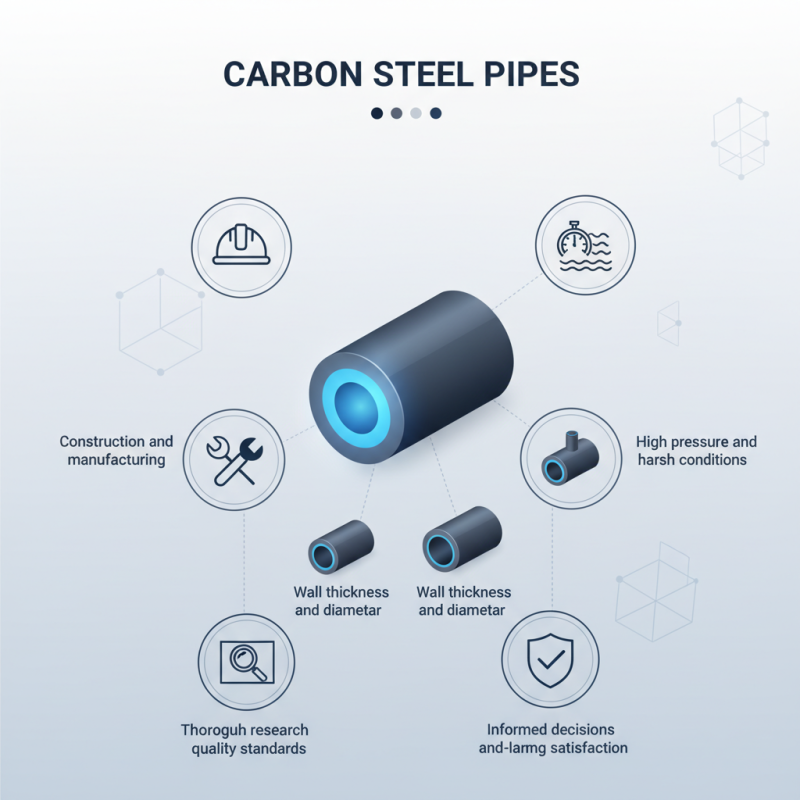
Understanding carbon steel pipe is essential for buyers in various industries. This material plays a crucial role in construction and manufacturing. Carbon steel pipes are known for their strength and durability. They can withstand high pressure and harsh conditions, making them ideal for many applications.
However, not all carbon steel pipes are the same. Different grades and sizes exist, which can lead to confusion. Buyers must be aware of their specific needs, such as wall thickness and diameter. These details can significantly impact performance and safety. Many buyers overlook these factors, which may lead to costly mistakes.
Ultimately, selecting the right carbon steel pipe requires careful consideration. Buyers should consult with experts or conduct thorough research. Awareness of quality standards is vital. Investing time in understanding these elements can result in better choices and long-term satisfaction. Buyers should not underestimate the importance of informed decisions in this area.
What is Carbon Steel Pipe?
Carbon steel pipe is an essential material in various industries. It is made primarily from iron and carbon, giving it strength and durability. This type of pipe comes in different grades, which determine its quality and suitability for specific applications. Buyers should be aware that carbon steel pipe offers excellent performance in high-pressure systems, making it a preferred choice for construction and plumbing projects.
When selecting carbon steel pipe, consider its tensile strength and corrosion resistance. It is crucial to understand the pipe's specifications before purchasing. Not all carbon steel pipes are created equal. Different applications require different grades, and selecting the wrong one can lead to failure.
Tips: Always check the certification of the pipe. Ensure it meets industry standards. If you are unsure about which pipe to choose, consult an expert in the field. Their knowledge can guide you to make an informed decision. Remember, investing time in understanding your requirements can save money and effort later.
Types of Carbon Steel Pipe and Their Applications
Carbon steel pipes are essential in various industries due to their strength and versatility. There are three main types: low, medium, and high carbon steel pipes. Each type serves different applications, from construction to oil and gas.
Low carbon steel pipes, which contain up to 0.3% carbon, are commonly used in structural applications. They are malleable, allowing for easy shaping. In contrast, medium carbon steel pipes, containing 0.3% to 0.6% carbon, offer higher strength. They are often found in machinery and automotive components. High carbon steel pipes, with more than 0.6% carbon, are used in making tools and dies.
According to the World Steel Association, the global demand for carbon steel will reach 1.8 billion metric tons by 2025. This demand indicates a need for reliable sources. Buyers must consider factors like material quality and manufacturing standards. Inconsistent quality can lead to failures in critical applications.
Key Properties and Benefits of Carbon Steel Pipe
Carbon steel pipes are crucial in various industries due to their unique properties. They are primarily composed of iron and carbon, which grants them exceptional strength and durability. According to the World Steel Association, carbon steel accounts for about 90% of total steel production. This dominance highlights its significance in structural applications like construction and manufacturing.
One of the key benefits of carbon steel pipes is their cost-effectiveness compared to other materials. Research indicates that these pipes offer a favorable strength-to-weight ratio, which can lead to lower transportation costs. Additionally, they possess excellent tensile strength, making them ideal for high-pressure applications. However, they can be susceptible to corrosion without proper treatment. Buyers must consider both short-term and long-term performance when evaluating their needs.
A comprehensive analysis by industry experts points out that carbon steel pipes can last decades with the right maintenance. Yet, the balance between cost and performance is not always straightforward. Buyers often grapple with trade-offs between upfront expenses and long-term reliability. Emphasizing quality and compatibility with specific applications is vital. Understanding these dynamics can lead to better purchasing decisions and ensure longevity in use.
What is Carbon Steel Pipe and Why It Matters for Buyers? - Key Properties and Benefits of Carbon Steel Pipe
| Property | Description | Benefits |
| Strength | Carbon steel pipes have high tensile strength and can withstand heavy loads. | Suitable for high-pressure applications, reducing risks of failure. |
| Durability | Resistant to deformation and wear over time. | Long service life reduces replacement costs. |
| Cost-Effectiveness | Lower material cost compared to other pipe materials. | Ideal for budget-conscious projects. |
| Versatility | Can be used in various applications, from construction to plumbing. | Flexibility in usage across different industries. |
| Weldability | Easily welded with conventional methods. | Facilitates complex assemblies and repairs. |
Factors to Consider When Purchasing Carbon Steel Pipe
When purchasing carbon steel pipes, several critical factors should be considered. First and foremost is the grade of carbon steel. Different grades offer varying strength levels and corrosion resistance. According to industry reports, Grade A and Grade B pipes are often used in construction due to their balance of strength and cost-effectiveness.
Buyers should also pay attention to the pipe’s wall thickness. The American Society for Testing and Materials (ASTM) sets standards that detail the required thickness for different applications. A pipe that is too thin may not hold up under pressure, while one that is too thick can lead to unnecessary costs.
**Tips:** Always request detailed specifications and certifications for the pipes. Understand how the intended use will affect your choice.
Another important aspect is the manufacturing process. Pipes can be welded or seamless, each type with distinct advantages. Welded pipes may be cost-effective but can have weaknesses at the seams, while seamless pipes typically provide greater integrity but at a higher price point. Industry data suggest that seamless pipes have a higher success rate in high-pressure applications, making them a safer choice in certain scenarios.
**Tips:** Leverage expert consultations to ensure that the right method is chosen for your needs. Evaluate past projects for better decision-making.
Common Industries Utilizing Carbon Steel Pipe
Carbon steel pipes are essential across various industries due to their strength and versatility. They are commonly utilized in oil and gas, construction, automotive, and manufacturing sectors. In the oil and gas industry, carbon steel pipes transport crude oil and natural gas. According to the American Petroleum Institute (API), over 70% of pipelines use carbon steel due to its durability and cost-effectiveness.
In construction, carbon steel pipes play a vital role in plumbing and structural applications. The Building Construction Industry Trends report indicates that carbon steel's adaptability makes it a preferred choice for both large-scale and residential projects. This material can support heavy loads and withstand harsh environmental conditions, making it reliable for infrastructure.
Tips: Always verify the standards of carbon steel pipes before purchase. Check the specifications and certifications to ensure they meet industry requirements. While the versatility of carbon steel is remarkable, improper installation can lead to failures. Thus, understanding the installation process is crucial. Consider consulting experts to optimize your project outcomes.
Carbon Steel Pipe Usage in Common Industries