Choosing the best Commercial Lifts in 2026 requires more than comparing prices and glossy specifications. Each building has different demands, from a busy hotel lobby to a warehouse moving heavy pallets every hour. Passenger lifts should provide smooth acceleration, clear controls, and dependable accessibility. Freight lifts need reinforced cabins, durable doors, and controls designed for repeated loading. Platform lifts may suit smaller premises, especially where space is limited.
Modern systems increasingly use regenerative drives, smart monitoring, destination controls, and lower-energy standby modes. These features can reduce operating costs, but they should not distract from basic reliability. A lift that saves energy yet suffers frequent faults is not a strong investment. Experienced installers examine traffic patterns, shaft dimensions, floor levels, emergency access, and expected daily cycles before recommending equipment. They also review manufacturer test data, maintenance support, warranty terms, and inspection requirements.
Safety remains central.
Reliable advice should reflect local building standards and accessibility obligations. Independent inspections and qualified maintenance teams offer stronger assurance than marketing claims alone. In practice, the best Commercial Lifts balance safety, capacity, comfort, energy use, and long-term serviceability. There is no perfect model. A premium lift may be excessive for a quiet office, while a basic unit may struggle in a crowded shopping centre. This guide compares leading lift categories and technologies for 2026, using practical performance factors rather than promises. Some decisions remain difficult. Budget limits, building design, and future growth can change the final recommendation. Careful planning usually matters more than choosing the newest feature.
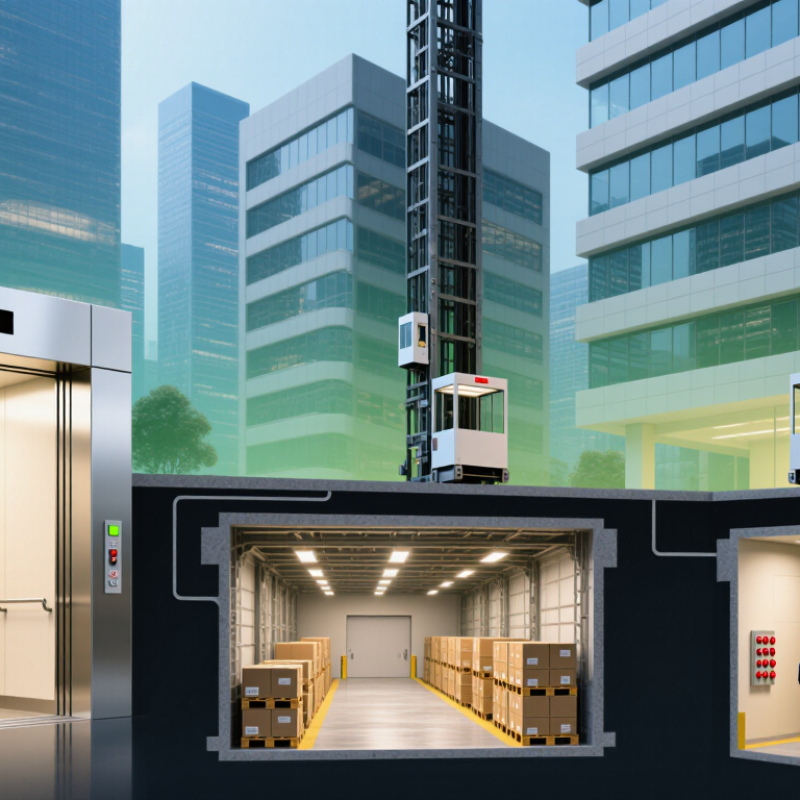
Commercial lifts in 2026 cover more than standard passenger elevators. Passenger lifts remain common in offices, hotels, clinics, and mixed-use buildings. They offer smooth acceleration, accessible controls, automatic doors, and efficient destination planning. For busy properties, the correct capacity matters more than a glossy specification. A crowded lobby reveals poor planning quickly.
Freight lifts serve warehouses, workshops, retail stores, and production areas. Their reinforced cabins handle pallets, trolleys, and repeated loading cycles. Goods-only lifts can move materials between levels, while service lifts support kitchens, hospitals, and facility teams. Platform lifts provide practical access where space is limited. Vertical platform models suit wheelchair users and short-rise routes, while inclined models follow stairways. Scissor lifts are useful for temporary work platforms, stock handling, and maintenance tasks, but they require careful floor assessment.
Vehicle lifts support parking buildings, repair facilities, and compact urban sites. Rack-and-pinion and hydraulic systems offer different installation and maintenance demands. Hydraulic Lifts may suit lower-rise projects, while traction systems often perform better in taller buildings. The choice depends on travel height, load frequency, shaft conditions, power supply, and local accessibility requirements. Never select equipment by rated load alone. Door width, cabin turning space, emergency lowering, and maintenance access can change daily performance. In real projects, an underestimated duty cycle causes frustration. Even experienced teams sometimes overlook noise, heat, or delivery logistics. A qualified lift consultant should verify structural drawings, safety systems, inspection access, and long-term operating costs before installation.

The best commercial lifts in 2026 are defined by fit, not flashy screens. A reliable unit should match building traffic, load patterns, shaft dimensions, and climate. Engineers examine peak morning queues, trolley sizes, door cycles, and emergency access before selecting equipment. Capacity ratings must reflect real loads, not optimistic estimates. Smooth acceleration and accurate floor leveling protect passengers, carts, and fragile goods. They also reduce complaints from staff who use the lift hundreds of times daily.
Safety systems remain central.
Door sensors, overspeed protection, controlled braking, and emergency communication need regular testing and clear maintenance records. Accessibility matters too. Wide entrances, audible floor signals, tactile controls, and suitable handrail placement support varied users.
Efficient motors, standby lighting, regenerative drives where suitable, and smart scheduling can reduce energy use.
Yet software should not replace practical inspection. A dashboard may show normal operation while a worn door roller creates noise, delays, or future failure.
The strongest installations are serviceable, resilient, and transparent about limitations. Remote monitoring can identify temperature changes, repeated door faults, or unusual vibration early. Technicians still need physical access, documented procedures, and reliable replacement-part support.
In humid warehouses, sealed components and corrosion-resistant finishes may matter more than decorative interiors. No specification is perfect. A faster lift may consume more energy, while a compact design can restrict bulky loads.
Procurement teams should compare measured performance, lifecycle cost, training needs, and local service response. This slower evaluation often prevents an expensive surprise.
Commercial lift selection should begin with real traffic, not the highest advertised capacity. Rated load shows how much weight a lift carries, but handling capacity shows how many passengers it moves during a busy five-minute period. CIBSE Guide D recommends comparing five-minute handling capacity, waiting time, and interval. A 1,600-kilogram lift may appear powerful, yet slow doors can create queues beside a crowded reception desk. Record passenger peaks, trolley dimensions, travel distance, and daily cycles before requesting quotations.
Performance also includes speed, stopping accuracy, ride comfort, ventilation, and recovery after repeated trips. ISO 25745-2 evaluates lift energy performance across defined load and travel patterns. This matters because the International Energy Agency’s 2024 Global Status Report says buildings consume about 30% of global final energy. Lift energy is only one part of that total, but standby power and unnecessary journeys still deserve measurement. My practical mistake was treating speed as the main performance figure. In busy offices, door time often matters more.
Tips: Compare certified test data, not brochure claims. Ask for five-minute handling capacity at morning peak. Check rated load against actual carts and equipment. Review door dwell settings and accessibility needs. Request energy results under realistic traffic. Leave room for uncertainty; occupancy changes, and early estimates are rarely perfect. A site test after installation can reveal uncomfortable truths about queues, noise, and stopping accuracy.
What Are the Best Commercial Lifts in 2026?
Safety, Accessibility, and Energy Efficiency Standards
The best commercial lifts in 2026 are not chosen by speed alone. They combine dependable safety systems, inclusive access, and measurable energy performance. In daily operations, door interlocks, overspeed protection, emergency communication, and accurate load sensors matter most. A lift that stops several millimetres above the floor can create a serious trip risk, especially for wheelchair users or staff moving carts.
Accessibility should be tested in real conditions. Check the doorway with a loaded trolley, not just an empty tape measure. Clear entrances, level landings, tactile controls, audible announcements, and strong visual signals support people with different abilities. Controls should remain reachable from a seated position. A quiet, evenly lit cabin also reduces anxiety. Small details matter.
Energy efficiency requires evidence. Regenerative drives can return power during braking, while LED lighting and standby modes reduce waste during quiet periods. Ask for measured energy use per trip, maintenance records, and compliance with applicable local lift standards. Regular inspections are essential, even with modern monitoring systems. Remote alerts help, but they do not replace a trained technician’s judgement.
A checklist is not enough. A lift may pass inspection yet confuse visitors during a power interruption. That weakness deserves attention. Building managers should review evacuation procedures, backup communication, and actual passenger behaviour after installation. The most reliable choice is the lift that performs safely, serves everyone, and proves its efficiency over time.
A practical comparison of common commercial lift categories using internationally recognized safety, accessibility, and energy-performance requirements. Capacity, speed, and energy figures are typical planning ranges rather than brand-specific specifications.
| Commercial Lift Type | Typical Applications | Indicative Capacity | Typical Speed Range | Safety and Compliance Priorities | Accessibility Considerations | Energy-Efficiency Features | Relevant Standards and Guidance | Best-Fit Assessment |
|---|---|---|---|---|---|---|---|---|
| Passenger Lift | Offices, hotels, apartments, healthcare buildings, and retail premises. | 630–2,000 kg Approximately 8–26 passengers, depending on configuration. | 1.0–3.5 m/s in low- to mid-rise commercial buildings. | Door obstruction protection, emergency alarm and two-way communication, overload protection, controlled stopping accuracy, fire-service operation where required, and routine safety inspections. | Provide an accessible route to served floors. A common European reference configuration is a 1,100 × 1,400 mm car with a 630 kg rated load; door width and controls must follow the applicable accessibility category. | Gearless permanent-magnet traction machines, LED lighting, standby mode, efficient door operators, automatic fan shutdown, and regenerative drives where traffic and operating hours justify them. | EN 81-20 and EN 81-50 for European lift safety design and testing; ASME A17.1/CSA B44 in North America; local accessibility and fire codes. | Balanced choice Suitable for most general commercial projects when correctly sized for traffic demand. |
| High-Speed Passenger Lift | High-rise offices, hotels, mixed-use towers, and large residential developments. | 1,000–2,500 kg Approximately 13–33 passengers. | 3.5–10 m/s, subject to building height, travel distance, and traffic analysis. | Enhanced motion control, overspeed protection, emergency evacuation planning, ride-quality testing, fire recall systems, seismic measures where applicable, and careful shaft-pressure management. | Accessible cars should provide sufficient turning space, reachable controls, audible and visual floor information, level landings, and door timing suitable for users with mobility, vision, or hearing needs. | Regenerative braking, destination-control optimization, low-loss traction systems, intelligent dispatching, and reduced standby power during low-demand periods. | EN 81-20/50, EN 81-70 for accessibility, ISO 25745-2 for lift energy performance, and applicable high-rise fire and structural codes. | Best for high-rise traffic Appropriate when waiting time and handling capacity are more important than the lowest initial cost. |
| Service or Goods Lift | Hospitals, hotels, warehouses, kitchens, logistics areas, and commercial back-of-house operations. | 1,000–5,000 kg Higher capacities may require specialized freight equipment. | 0.5–1.6 m/s for many goods-handling applications. | Robust landing doors, impact-resistant finishes, load control, protection against unbalanced loading, durable floor construction, restricted access, and clearly defined loading procedures. | Where staff or members of the public use the lift, controls, thresholds, door openings, signage, and car dimensions should also meet the applicable accessibility requirements. | Efficient traction drives, automatic sleep modes, durable low-maintenance components, LED lighting, and traffic scheduling to avoid unnecessary empty trips. | EN 81-20/50 or ASME A17.1/CSA B44, depending on jurisdiction; additional workplace, fire, loading, and accessibility regulations may apply. | Best for heavy loads Recommended where reliability, durability, and load protection are primary requirements. |
| Hospital or Bed Lift | Hospitals, clinics, care facilities, and medical campuses. | 1,600–2,500 kg Typically configured for beds, medical teams, and equipment. | 1.0–2.5 m/s, depending on building height and clinical workflow. | Smooth acceleration and deceleration, accurate leveling, emergency power strategy, infection-control materials, reliable two-way communication, fire-service operation, and high availability. | Larger cars and doors should accommodate beds, wheelchairs, attendants, and medical devices. Controls should be reachable, clearly marked, and usable during assisted transfers. | Regenerative drives, efficient ventilation control, LED lighting, standby modes, and traffic programming based on clinical demand without compromising response times. | EN 81-20/50, relevant accessibility requirements such as EN 81-70, healthcare facility guidance, fire codes, and local infection-control specifications. | Best for healthcare Prioritizes ride comfort, space, hygiene, resilience, and dependable emergency operation. |
| Machine-Room-Less Traction Lift | Commercial buildings where roof space is limited and a conventional machine room is undesirable. | 450–1,600 kg Commonly used for low- and mid-rise buildings. | 0.6–2.5 m/s. | Standard traction-lift safety systems, accessible maintenance provisions, emergency rescue procedures, heat management, and compliance with shaft, pit, and overhead requirements. | Can provide the same accessible car features as other passenger lifts, including adequate clear door width, reachable controls, level landings, handrails where required, and audible or visual announcements. | Compact gearless machines, variable-voltage variable-frequency control, LED lighting, standby settings, and regenerative operation for suitable traffic patterns. | EN 81-20/50, EN 81-70, ISO 25745-2, or ASME A17.1/CSA B44, according to location. | Best for space efficiency Often a strong option when the building design cannot accommodate a separate machine room. |
| Hydraulic Lift | Low-rise commercial buildings, small retail premises, garages, and locations with modest travel distances. | 450–3,000 kg. | 0.15–1.0 m/s. | Protection against unintended movement, emergency lowering, hydraulic leakage control, pressure protection, safe access to the pit and machinery, and regular fluid and component inspections. | Suitable accessible layouts are possible, but door width, car size, leveling accuracy, control height, and landing approach must be checked carefully because performance depends on the specific installation. | Efficient pump control, variable-speed hydraulic units, automatic standby modes, low-energy lighting, and correct system sizing. Energy use can be higher for frequent upward travel than with efficient traction systems. | Applicable hydraulic-lift safety standards, including relevant parts of EN 81 or ASME A17.1/CSA B44, plus local environmental and accessibility rules. | Best for low-rise use Practical for short travel distances, particularly where installation conditions favor hydraulic equipment. |
| Platform Lift | Small public buildings, offices, schools, shops, and retrofit projects with limited vertical travel. | 225–500 kg Usually intended for a wheelchair user and an attendant, depending on the model and code classification. | Approximately 0.15–0.3 m/s. | Safety edges or pressure-sensitive controls, emergency lowering, platform barriers, interlocked gates, anti-entrapment protection, and clear operating instructions. | Designed specifically to improve step-free access. The platform size, ramp or threshold, handrails, controls, door clear width, and approach space must comply with the local accessibility standard. | Low travel frequency and modest motor power can reduce operating energy; automatic lighting and standby controls further reduce idle consumption. | Relevant platform-lift standards, accessibility regulations, machinery or lift regulations, and local building and fire codes. Requirements vary significantly by jurisdiction. | Best for accessibility retrofits Useful where a full passenger lift is impractical, especially for short vertical travel. |
The best commercial lift in 2026 is not always the fastest or most advanced. It is the lift that suits your building’s daily demands. Start with a professional site assessment. Measure floor count, passenger volume, shaft space, and expected load. A busy office needs quick dispatch and durable interiors. A retail building may need wider doors and stronger flooring for carts.
Accessibility should guide every decision. Choose clear controls, audible signals, level entry, and enough cabin space for mobility devices. Energy use also matters. Regenerative systems, efficient lighting, and standby modes can reduce operating costs. However, technology alone does not guarantee value. A complex system may create higher service demands. I would compare maintenance access, response times, spare-part availability, and inspection records before approving a design.
Tips: Ask for a traffic analysis, not just a capacity estimate. Check the lift during peak periods. Review the emergency communication system and backup procedures. Request a transparent maintenance schedule. Leave room for future changes, because tenant needs rarely stay fixed. A cheaper lift may appear sensible today, yet poor access can inconvenience users every day. No selection is perfect. Careful documentation and independent technical advice can expose details that sales material may overlook.
Precision Cable Assemblies
16830 Pheasant Drive
Brookfield, WI 53005
Phone: 262-784-7887
Fax: 262-784-0681