What is an Air Cooled Unit and How Does It Work?
Air Cooled Units are vital in modern HVAC systems. They function by dissipating heat to the atmosphere, ensuring optimal temperatures in buildings and industrial applications. According to a recent industry report by MarketsandMarkets, the air-cooled unit market is expected to grow by 7.5% annually until 2027. This growth reflects the increasing demand for energy-efficient cooling solutions.
Dr. Emily Carter, an HVAC expert, emphasizes, "Air Cooled Units are crucial for energy sustainability." Her insights underline the importance of these systems in reducing energy consumption. Despite their advantages, some users may underestimate proper maintenance. Neglecting regular checks can lead to inefficiency and higher energy bills.
Moreover, the complexity lies in selecting the right unit for specific applications. Misjudgments may lead to undersized systems, causing discomfort and increased operational costs. As we explore Air Cooled Units, recognizing these challenges is essential for making informed decisions. Understanding their operation and maintenance can lead to better efficiency and sustainability in HVAC practices.
What is an Air Cooled Unit?
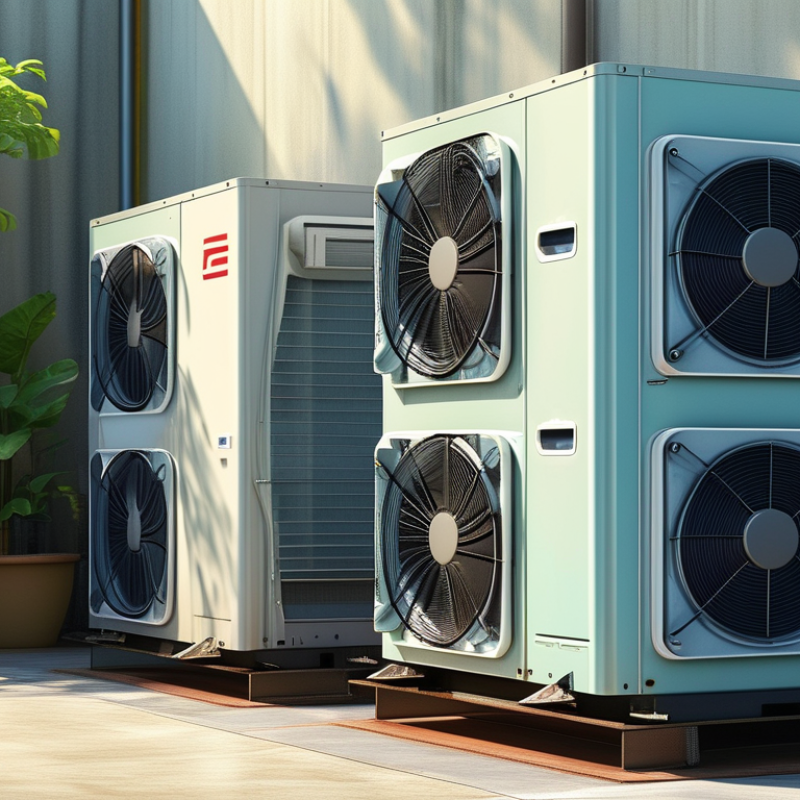
An air-cooled unit is a type of cooling system that utilizes ambient air to reduce temperatures in various settings. It often plays a crucial role in HVAC systems. The primary function of these units is to dissipate heat absorbed from indoor environments into the outside air. This makes them a popular choice in both residential and commercial applications.
Air-cooled units operate through a simple yet effective mechanism. A compressor circulates refrigerant through the system, absorbing heat from the indoor air. This heated refrigerant travels outside, where it meets the air-cooled coils. Cooling fans then blow air over these coils, allowing the heat to escape into the atmosphere. This cycle continues, ensuring a steady cooling effect indoors.
While air-cooled units are efficient, they may not work effectively in extremely hot conditions. High ambient temperatures can limit their cooling capacity. Maintenance is also key; dirty filters or blocked coils can hinder performance. Paying attention to these details can improve reliability. Understanding how this system operates can help users optimize their cooling needs effectively.
Key Components of an Air Cooled Unit
An air-cooled unit uses ambient air to remove heat from refrigerants. This system is often utilized in HVAC applications. Understanding its key components is essential for efficient operation.
The condenser plays a crucial role. It transfers heat from the refrigerant to the surrounding air. Studies from HVAC industry reports show that improper condenser function can lead to a 25% drop in efficiency. Regular maintenance, such as cleaning, enhances its performance.
Fans are another essential component. They circulate air over the condenser. Their efficiency impacts cooling capacity significantly. Some reports indicate that fan speeds can affect energy consumption by up to 30%. The placement of air-cooled units also matters. Poor placement can restrict airflow and influence the overall effectiveness. Ensuring proper spacing around these units can mitigate such issues and improve reliability.
How an Air Cooled Unit Operates
Air-cooled units are crucial for various cooling applications. They rely on ambient air to dissipate heat from a refrigerant that passes through the system. When the refrigerant circulates, it absorbs heat and changes from a liquid to a gas. As this gas flows through the coils of the air-cooled unit, ambient air is drawn in and flows over the coils. This process cools the refrigerant, which then returns to a liquid state, ready to absorb more heat.
Understanding how an air-cooled unit functions is vital for efficient operation. Proper placement of the unit plays an important role. For instance, avoid placing the unit in confined or obstructed spaces. This could restrict airflow and decrease efficiency. Regular maintenance is equally essential. Cleaning the coils and ensuring good airflow will enhance the unit’s performance and lifespan.
Tips: Check the air intake regularly. Dust and debris can hamper airflow. A simple cleaning can make a significant difference. Remember, a unit that runs efficiently saves energy and costs. Monitor the unit's noise levels too. Unusual sounds might indicate a need for professional inspection. Frequent maintenance can prevent bigger issues down the road.
Benefits of Using an Air Cooled Unit
Air cooled units are becoming increasingly popular in various industries due to their numerous benefits. One key advantage is their energy efficiency. According to the U.S. Department of Energy, air cooled chillers can reduce energy consumption by up to 30% compared to traditional systems. This translates to significant cost savings, particularly in large facilities where cooling requirements are high.
Another benefit is the lower environmental impact. Air cooled units do not require water for operation, making them ideal in areas with water scarcity. The global market for air cooled systems has grown, with projections indicating an increase of over 5% annually through 2027. This growth reflects the increasing awareness of sustainable practices in facility management.
However, challenges still exist. Air cooled units may struggle in extremely hot climates, leading to decreased efficiency. Maintenance and placement require careful planning. Despite these challenges, the push toward energy-efficient and environmentally friendly solutions continues to drive the adoption of air cooled units. Each user must weigh the benefits against specific operational needs to find the most suitable option.
Benefits of Air Cooled Units
This chart represents the benefits of using air cooled units across different dimensions. The data indicates their energy efficiency, maintenance cost, installation cost, cooling capacity, and noise level, showcasing the advantages of these cooling systems.
Common Applications of Air Cooled Units
Air cooled units are essential in many environments. They disperse heat without requiring water, making them versatile in various applications. These units function by drawing in air and releasing heat into the atmosphere. This makes them ideal for dense urban areas where water access can be a challenge.
One common application is in commercial buildings. Air cooled units are used in HVAC systems to maintain comfortable indoor temperatures. Restaurants, offices, and retail spaces benefit from their reliability and efficiency. Another application is in industrial settings, where cooling is critical for machinery and equipment. Air cooled units can handle high heat loads without the need for elaborate water systems.
Tips: Regular maintenance is essential. Keep the air filters clean for better airflow. This reduces energy costs and extends the unit’s lifespan. Also, consider placement. Ensure there’s enough space for airflow around the unit. Poor placement can lead to overheating and inefficiency.
In addition, residential applications are growing. Homeowners use air cooled units for supplemental cooling or in areas without a central system. However, awareness of noise is vital. Some units can be louder, impacting residential comfort. Evaluating the sound levels before installation may prevent future regrets.