
What Is the 2026 Top Microwave Oven Baffle Die Type?

The 2026 search for the top Microwave Oven Baffle Die type reflects a practical manufacturing question. Which die delivers stable geometry, clean edges, and lower unit cost? Global market reports indicate continued demand for microwave ovens and replacement appliances. Grand View Research’s Microwave Ovens Market Size, Share & Trends Analysis Report, 2024–2030, identifies product efficiency, compact designs, and manufacturing automation as important industry drivers. These trends directly influence sheet-metal tooling decisions.

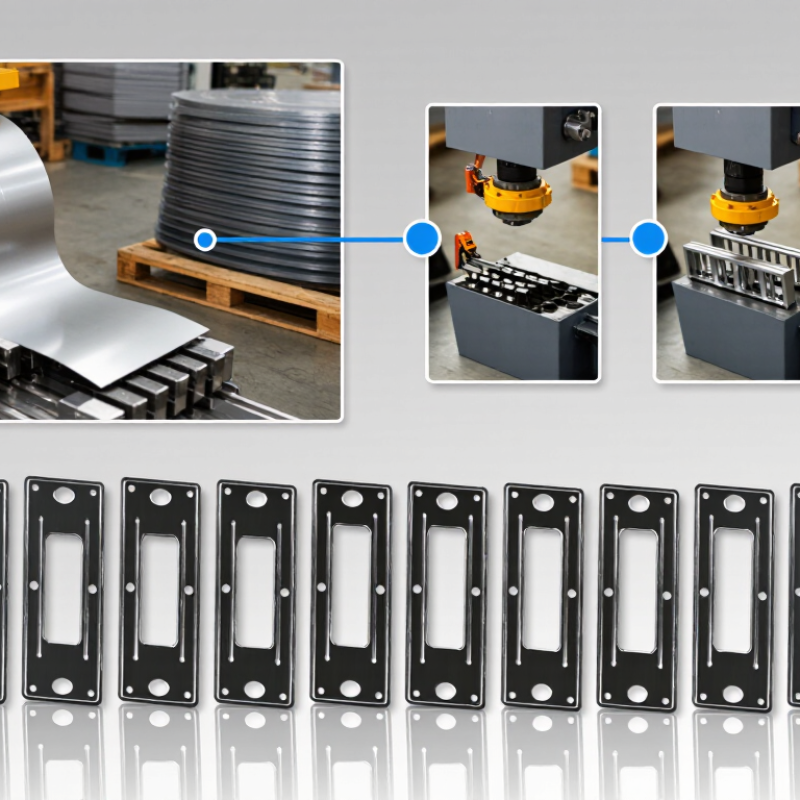
For high-volume baffle production, the progressive stamping die appears to be the strongest candidate. It performs several operations within one press cycle, including piercing, forming, trimming, and part separation. This can reduce handling time and improve repeatability. A thin stainless-steel or coated steel blank moves through linked stations. Each station adds a controlled feature. That matters near ventilation slots and mounting holes.

However, “top” does not mean universal. Mordor Intelligence and Fortune Business Insights both describe changing microwave appliance demand, but their reports focus on appliance markets, not specific die structures. This limitation deserves attention. A compound die may suit simple baffles with fewer features. A transfer die may perform better when deeper forming or larger components are required. Tool life, press capacity, material springback, burr limits, and maintenance access must guide the final selection. Data alone cannot replace a production trial. Even a well-designed progressive Microwave Oven Baffle Die may underperform if strip layout or forming clearance is wrong. In 2026, the most reliable choice will likely combine progressive forming, simulation-based validation, hardened wear components, and documented quality checks. That answer is practical, but still open to factory-specific evidence.
What Is the 2026 Top Microwave Oven Baffle Die Type?

What Is a Microwave Oven Baffle Die and How Does It Work?

A microwave oven baffle die is a specialized tool for shaping thin metal baffles used inside microwave assemblies. The baffle may guide airflow, support internal parts, or help control heat movement. The die cuts, bends, and forms sheet metal with controlled pressure. Its cavities determine the final shape.

In 2026, a progressive die is often considered the leading choice for high-volume baffle production. It performs several operations in one continuous process. A metal strip enters the die, then moves through stations for piercing, trimming, embossing, and bending. Pilot pins maintain alignment. A press completes each stage with repeatable force. The finished baffle exits after the final station.

This method can reduce handling and improve production speed. It also keeps hole positions and folded edges consistent. However, progressive tooling is not always the best answer. Complex baffles may need a compound die, transfer die, or secondary forming operation. Material thickness, stainless steel hardness, and required tolerances matter greatly. Small design changes can affect springback and surface marks. That detail is easy to underestimate.

In practical testing, engineers inspect the first pieces with gauges and coordinate-measuring equipment. They check flatness, edge quality, burr height, and bend angles. A die that works well on paper may still need adjustments. Tool wear also changes results over time. Careful maintenance remains essential.


What Is the 2026 Top Microwave Oven Baffle Die Type?

Typical capabilities of common sheet-metal die configurations used to form microwave oven baffles

Progressive dies are generally the leading choice for high-volume microwave oven baffle production because multiple forming or piercing operations can be integrated into one continuous press cycle. Compound dies combine multiple cutting actions in a single stroke, while single-operation dies are simpler but usually less productive for complex parts. Actual performance depends on material, part geometry, press capacity, and required tolerances.

Which Baffle Die Types Are Used in Microwave Oven Manufacturing?

What Is the 2026 Top Microwave Oven Baffle Die Type?

Microwave oven baffles are usually produced from thin galvanized steel, aluminum-coated steel, or stainless steel. Their shapes may include flat shields, louvered panels, and shallow formed covers. Each design needs a different die strategy. According to Fortune Business Insights’ 2024 microwave oven market report, the global market was valued at about USD 10.7 billion in 2023. That scale encourages manufacturers to reduce cycle time without weakening dimensional control.

Progressive dies are widely used for high-volume baffle production. They combine blanking, piercing, forming, and trimming across several stations. This method suits flat or lightly formed baffles with repeated hole patterns.

Compound dies can complete blanking and piercing in one press stroke. They work well for simpler parts and shorter production runs.

Transfer dies become more useful when the baffle has deeper contours, multiple bends, or controlled draw features. They move the part between separate forming stations.

Fine-blanking dies can produce cleaner edges and smaller burrs. That detail matters near airflow openings and electrical clearances. The International Trade Centre’s 2024 trade statistics show continued movement in household appliance components, but trade data cannot reveal actual die selection. It only indicates production pressure. In practical trials, progressive tooling often wins on unit cost. Not always. Complex springback, coating damage, and die maintenance can change the result. A neat cost spreadsheet may still miss those problems. Proper testing should measure burr height, hole position, flatness, and coating condition before approving the die type.

How to Compare the Leading Baffle Die Types in 2026

What Is the 2026 Top Microwave Oven Baffle Die Type?

Comparing leading baffle die types starts with production volume, material thickness, and required forming accuracy. A progressive die suits high-volume baffle production. It performs punching, forming, and trimming across several stations. This reduces handling and maintains consistent spacing between louvers. However, its longer setup time can burden smaller factories.

A compound die completes multiple cutting actions during one press stroke. It offers clean edges and reliable hole alignment. It works well for flat or lightly formed baffles. Its limitation appears when deeper bends or several forming angles are required. A transfer die provides more freedom for complex shapes. Separate stations can control bending, piercing, and final calibration. It needs more floor space and careful automation adjustment.

In 2026, servo presses and in-die sensors make progressive and transfer systems easier to monitor. Sensors can detect missing blanks, uneven feeding, and forming overloads. That supports repeatable quality without replacing skilled inspection. Still, a sensor cannot judge every surface mark. Human review remains useful. Very useful.

Toolmakers should compare cycle time, die maintenance, changeover effort, and scrap rate. The cheapest die may become expensive after repeated sharpening or alignment repairs. Material springback also deserves attention, especially with thinner coated steel. Trial runs should measure louver height, edge burrs, and mounting-hole position. The best choice is not always the most automated one. In some workshops, a simpler compound die remains more dependable, though that judgment can change after actual production testing.

What Is the 2026 Top Microwave Oven Baffle Die Type? - How to Compare the Leading Baffle Die Types in 2026

Comparative guide for common sheet-metal die configurations used to manufacture microwave oven baffles

Die Type Typical Process Suitable Baffle Material Production Volume Dimensional Consistency Material Utilization Tooling Complexity Changeover Flexibility Main Advantages Main Limitations Best 2026 Use Case
Progressive Die A coil strip moves through sequential stations for piercing, forming, bending, embossing and cutoff. Low-carbon steel, galvanized steel and selected stainless-steel grades. High to very high; most economical when demand is continuous. High after process stabilization; consistency depends on strip control and die maintenance. Good; coil feeding reduces manual handling, although carrier strips create some scrap. High; multiple stations and integrated sensors may be required. Low to moderate; product changes can require substantial tooling adjustments. Fast repeat production, automated feeding and consistent part geometry. Higher initial investment, longer development time and limited suitability for frequent design changes. High-volume production of one established baffle design.
Compound Die Several cutting operations, such as blanking and piercing, are completed in one press stroke. Thin to medium-gauge steel and stainless steel sheet. Medium to high, particularly for flat or lightly formed baffles. Very high for the operations contained in the die. Moderate to good; nesting and strip layout strongly affect scrap levels. Moderate to high; cutting clearances and punch alignment are critical. Low; the die is generally dedicated to a specific part geometry. Accurate hole-to-edge relationships, short cycle time and fewer secondary cutting steps. Not ideal for complex three-dimensional forming or frequent product variants. High-repeatability baffles with several features cut in a single stroke.
Transfer Die A blank is transferred between separate forming stations by mechanical or servo-driven transfer fingers. Low-carbon steel, coated steel and stainless steel where controlled forming is required. Medium to very high for deeper or multi-stage formed baffles. High; station-by-station forming can control complex profiles and springback. Moderate; blanks may be separated before forming, which can improve layout flexibility. High; transfer timing, part location and several forming stations must be synchronized. Moderate; more adaptable than a dedicated progressive layout but still specialized. Handles deeper draws, stepped profiles and multiple forming stages without manual repositioning. Large equipment footprint, complex setup and higher automation requirements. High-volume baffles with substantial depth, offset flanges or staged forming requirements.
Tandem or Line-Die Setup Separate dies are arranged in a press line, with the part moved from one operation to the next. Steel and stainless steel sheet across a broad range of gauges. Medium to high, depending on the number of presses and automation level. High when inter-station location is accurately controlled. Moderate; blank layout and transfer handling determine total scrap. Moderate; each operation is easier to service, but the full line needs coordination. Moderate to good; individual stations can sometimes be modified or replaced. Flexible process sequencing, accessible tooling and easier maintenance of individual stages. Requires multiple presses or stations and may have longer material travel between operations. Baffles requiring several forming and piercing stages with moderate design variation.
Single-Operation Form Die One press stroke performs the principal bend, flange, emboss or shallow-form operation. Low-carbon steel, galvanized steel and aluminum where compatible with the design. Low to medium; suitable for prototypes, service parts and moderate demand. Good for a single operation; final accuracy may depend on previous cutting and bending steps. Good when blanks are nested efficiently; separate blanking may add handling. Low to moderate; simpler construction than multi-station dies. High; relatively easy to adjust, replace or combine with other operations. Lower tooling cost, quick development and good suitability for design revisions. More handling and secondary operations can increase labor and total cycle time. Prototype, low-volume or frequently revised microwave baffle programs.
Recommended Selection For most high-volume 2026 microwave oven baffle programs, a progressive die is generally the leading choice when the part is made from coil stock and has repeatable piercing and forming features. A transfer die is usually more appropriate for deeper or more complex three-dimensional profiles, while a single-operation form die is normally the practical option for prototypes, lower volumes and designs that may change frequently.

Note: Actual performance depends on sheet thickness, material grade, part geometry, press capacity, lubrication, strip layout, tolerances, automation and required production volume. “High,” “medium” and “low” are comparative engineering classifications rather than guaranteed specifications.

What Factors Determine the Best Microwave Oven Baffle Die Type?

What Is the 2026 Top Microwave Oven Baffle Die Type?

The best microwave oven baffle die type depends on the part’s geometry, material, and production volume. A progressive die suits high-volume stamping with repeated features. It can form holes, bends, and trimming operations through several stations. A compound die may work better for simpler baffles requiring accurate cutting in one press stroke. For prototypes or small batches, a single-operation die often reduces setup cost and design risk.

Material thickness is a critical factor. Thin stainless steel needs controlled clearance to prevent burrs and distortion. Aluminum may require different punch geometry because it can stretch or mark easily. Engineers should also check bend radius, springback, and the required dimensional tolerance. Even a small change near a mounting edge can affect assembly.

Tool life matters in real production. Hardened tool steel can resist wear, but heat treatment quality and surface finishing remain important. Cooling, lubrication, and inspection routines also influence performance. A reliable die should support stable output, easy maintenance, and safe access for operators. Press capacity must match forming force, not merely the baffle’s size. That mistake is common.

There is no perfect die. A high-speed progressive design may increase output while making repairs more complicated. A simpler die may produce fewer parts but offer easier adjustments. The final choice should follow measured trials, sample inspection, and production data rather than appearance alone. Costs are important, but inconsistent edges and frequent downtime can become more expensive.

How to Select and Maintain a 2026 Microwave Oven Baffle Die

What Is the 2026 Top Microwave Oven Baffle Die Type?

How to Select and Maintain a 2026 Microwave Oven Baffle Die

For 2026 production, a guided progressive die is often the strongest choice for microwave oven baffles. It combines piercing, forming, and trimming in one controlled sequence. Replaceable carbide punches can reduce downtime and improve edge consistency. The “top” type is not universal. Low-volume lines may benefit from a compound die instead. Baffle shape, stainless-steel grade, thickness, and annual output should guide the decision. Grand View Research estimates the global metal stamping market exceeded USD 300 billion in 2024. That scale increases pressure for stable tooling and repeatable maintenance.

The “top” type is not universal.

I recommend checking strip alignment before every shift. Even a small feeder error can create angled vents or uneven flanges. Measure critical features with calibrated gauges, not visual judgment alone. Inspect punch edges, guide posts, springs, and stripper plates after each production batch. Lubricant residue should be removed from forming surfaces. The U.S. Department of Energy reports that household microwave ovens commonly draw about 1,000 to 1,800 watts. That heat-related operating environment makes clean, accurately formed baffles important for airflow and shielding performance. Still, die life depends heavily on material hardness and press setup.

Tips: Keep a maintenance log. Record stroke counts, burr growth, and adjustment history. Replace worn inserts early. I have learned that delaying one small repair often creates several larger defects. Validate the die after maintenance with first-piece inspection and dimensional records. Periodic review is necessary.