Why Use a 1 Pole Circuit Breaker in Your Electrical System?
In modern electrical systems, safety and efficiency are paramount. One essential component that contributes to these factors is the 1 Pole Circuit Breaker. This device serves as a protective measure for your electrical circuits. It automatically interrupts the flow of electricity in case of overloads or short circuits.
Many homeowners and contractors opt for 1 Pole Circuit Breakers for their simplicity and effectiveness. These breakers are designed for single-phase systems. They help prevent potential fire hazards and electrical failures. However, relying solely on one pole may limit capacity for larger installations. This choice requires careful assessment of electrical load and requirements.
Choosing a 1 Pole Circuit Breaker may seem straightforward. Yet, many overlook the importance of proper installation and maintenance. Regular checks can prevent unexpected circuit failures. Understanding the limitations of a single-pole breaker is crucial for a safe, reliable electrical system. While it offers benefits, it also invites the need for reflection on your overall electrical needs.
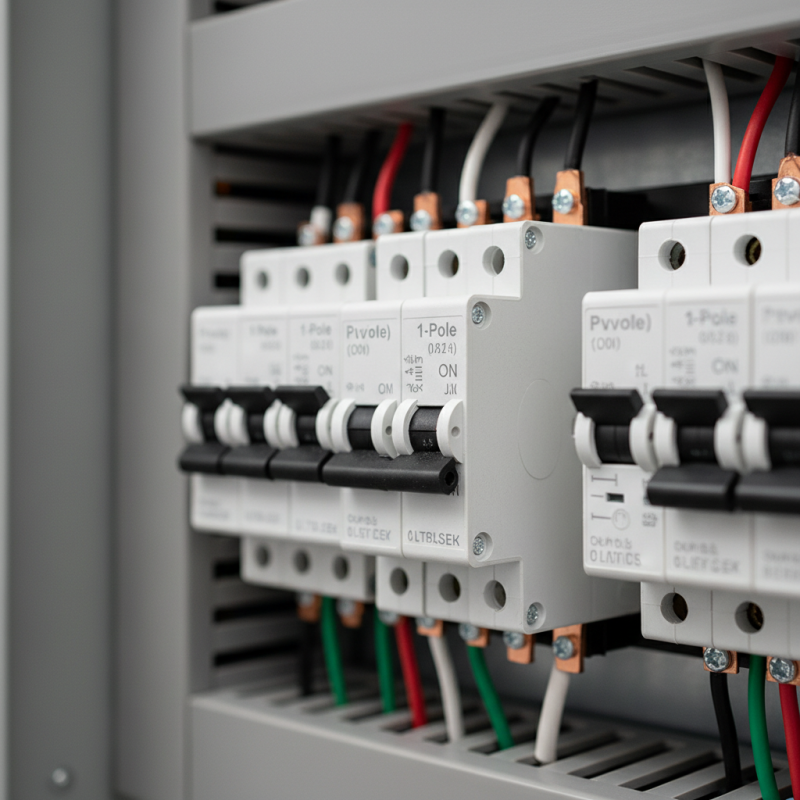
Understanding the Basics of 1 Pole Circuit Breakers
1 pole circuit breakers are essential in modern electrical systems. They provide a reliable and effective way to protect electrical circuits. These devices automatically shut off the current during an overload or a short circuit. This protection helps to prevent damage to wiring and devices connected to the circuit. According to the National Fire Protection Association, faulty wiring is a leading cause of home fires. Using 1 pole circuit breakers can significantly reduce this risk.
1 pole circuit breakers are designed for single-phase systems. They typically handle up to 15 or 20 amps, depending on the application. This makes them suitable for residential and light commercial use. Installations are straightforward. They fit easily into standard breaker panels. Data from the U.S. Department of Energy suggests that proper circuit breaker usage can increase energy efficiency. Efficient electrical systems contribute to reducing energy costs.
However, there are limitations. A single pole breaker may not suffice for larger appliances, which require two-pole breakers. Additionally, inadequate sizing can lead to nuisance tripping. Some users neglect to regularly check their circuit breakers. This can result in unrecognized issues. Electrical safety should always be a priority in any home or business. Understanding the basics of 1 pole circuit breakers can lead to better safety and efficiency.
Advantages of Using 1 Pole Circuit Breakers in Electrical Systems
Using a 1 pole circuit breaker can greatly enhance the safety and efficiency of electrical systems. These devices are designed to handle single-phase circuits effectively. According to industry reports, approximately 70% of residential electrical installations utilize single-phase systems, making 1 pole breakers a common choice. They efficiently protect against overloads and short circuits, ensuring minimal disruption.
In addition to safety, 1 pole circuit breakers are compact and space-saving. They fit easily into standard electrical panels, optimizing the layout. This is especially important in homes with limited space. Moreover, they are cost-effective compared to dual-pole options. Many users prefer them for their straightforward functionality. Despite these benefits, it’s vital to assess individual system needs.
One should remember that 1 pole breakers are limited to one circuit. This could lead to potential system constraints in some instances. In larger setups, their use can lead to underperformance if not carefully monitored. Therefore, proper evaluation and installation remain essential to maximize their advantages. Making informed choices ensures both safety and efficiency in your electrical systems.
Applications of 1 Pole Circuit Breakers in Residential Wiring
In residential wiring, using a 1 pole circuit breaker is quite common. These breakers protect electrical circuits by interrupting the current flow during overloads. This simple device serves a crucial role in home safety. It can prevent electrical fires and equipment damage.
A 1 pole circuit breaker fits well for single-pole applications. For example, it can control lighting circuits or standard outlets. These breakers are often used for low-voltage systems. They provide an easy way to isolate power to specific areas. Homeowners appreciate the simplicity of their operation.
Tip: Always check the amperage rating before installation. Ensure the breaker matches the wire size for safety.
While they are effective, sometimes people choose the wrong rating. This can lead to nuisance tripping or, worse, overheating. Understanding your home’s electrical load is essential.
Tip: Consult a professional if you’re unsure about the requirements. This helps avoid costly mistakes. A little extra effort can ensure a safe, efficient electrical system.
How to Select the Right 1 Pole Circuit Breaker for Your Needs
When selecting a 1 pole circuit breaker, begin by assessing your electrical load. You need to know the voltage and amperage requirements of your devices. The power rating should match or slightly exceed the load. A 1 pole breaker typically handles 120 volts, which is common for residential circuits. Consider your home’s specific needs and the appliances you frequently use.
Look closely at installation requirements. The circuit breaker must fit your panel perfectly. Check compatibility with the existing setup for a safe installation. Pay attention to the circuit's purpose. Are you protecting lighting, outlets, or appliances? Each application may need different specifications.
Consider the environment where the breaker will be used. Moisture, dust, or extreme temperatures can impact performance. A breaker in a garage or basement may require additional protective features. Reflect on your previous experiences. Did you face issues with breakers tripping unexpectedly? It’s crucial to choose a breaker that aligns with your usage habits. Think about maintenance, too. Regular checks can prevent problems down the line.
Why Use a 1 Pole Circuit Breaker in Your Electrical System?
Maintenance Tips for Ensuring Optimal Performance of Circuit Breakers
Maintaining circuit breakers is crucial for their performance. Regular checks help identify issues early. Inspecting for signs of wear or damage is essential. Dust and dirt can accumulate, impacting functionality. A clean environment is vital for optimal operation.
Tips: Regularly clean the breaker panel. Use a soft brush to remove dust. Check connections for tightness. Loose connections can lead to overheating.
Over time, breakers can trip more frequently. This could signal a problem. Monitor usage patterns closely. If the breaker trips often, it may need replacement. Don't wait too long to address these issues. Ignoring them can lead to major problems. Always prioritize safety over convenience.