What is Harness Cable Assembly and How It Benefits Your Projects
Harness cable assembly is a critical component in the realm of industrial applications, enhancing the efficiency and reliability of various electronic systems. According to a recent report by Research and Markets, the global harness cable assembly market is projected to reach $54 billion by 2025, driven by increasing demand in the automotive and aerospace sectors. This significant growth underscores the importance of high-quality cable assemblies in ensuring optimal performance and safety in complex projects.
Expert in the field, Dr. Robert Lang, a leading electrical engineer, emphasizes the value of harness cable assembly in modern engineering: "The integrity of a project often lies in its wiring. A well-designed harness cable assembly can make the difference between a successful deployment and a catastrophic failure." As industries continue to innovate and expand, the role of harness cable assemblies becomes increasingly vital, providing structured solutions that streamline connections and enhance the longevity of electrical systems.
This article will delve into the intricacies of harness cable assembly, exploring its benefits and implications for various projects in 2025 and beyond. Understanding these assemblies is essential not only for engineers and project managers but also for stakeholders looking for optimal solutions in a competitive landscape.
Understanding Harness Cable Assembly: Definition and Overview
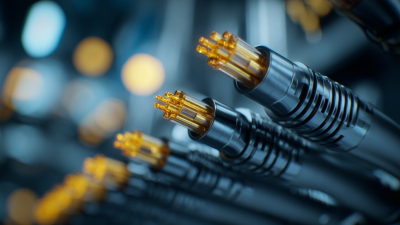
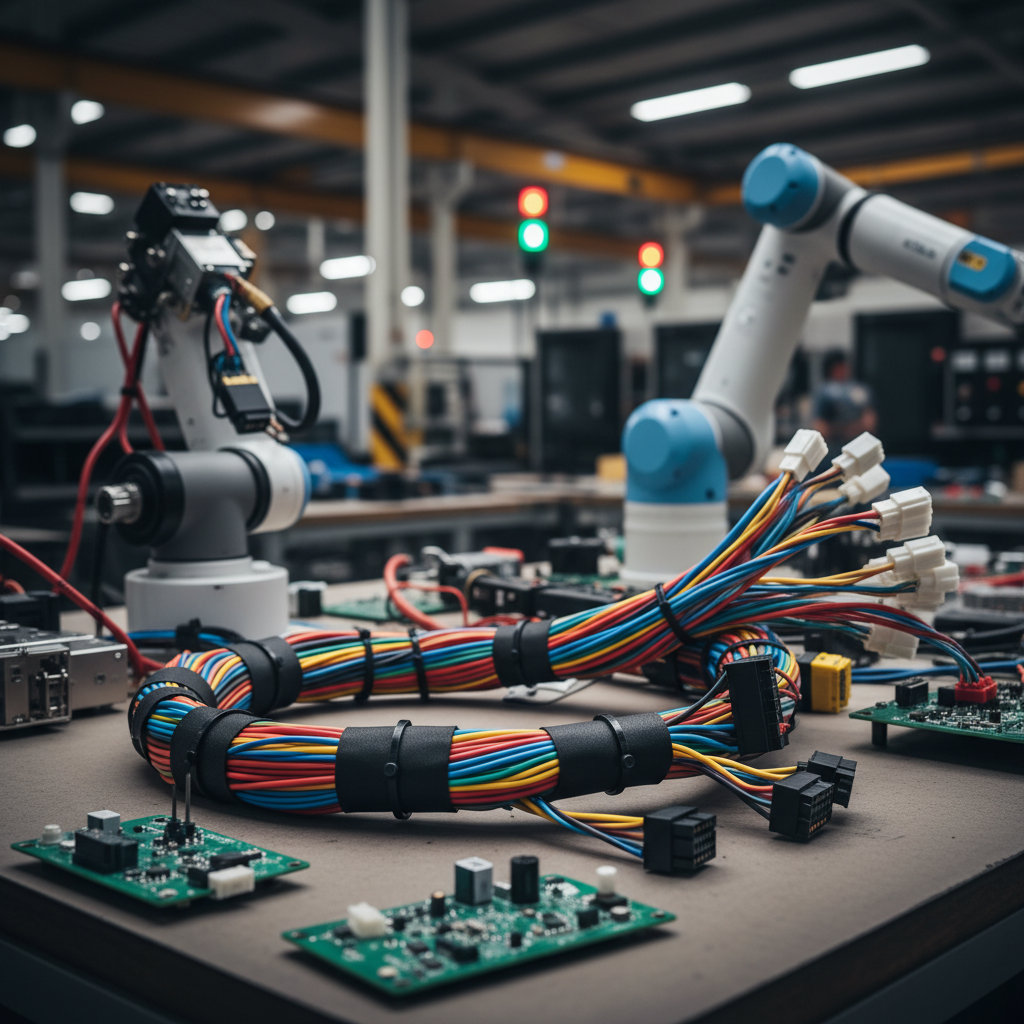
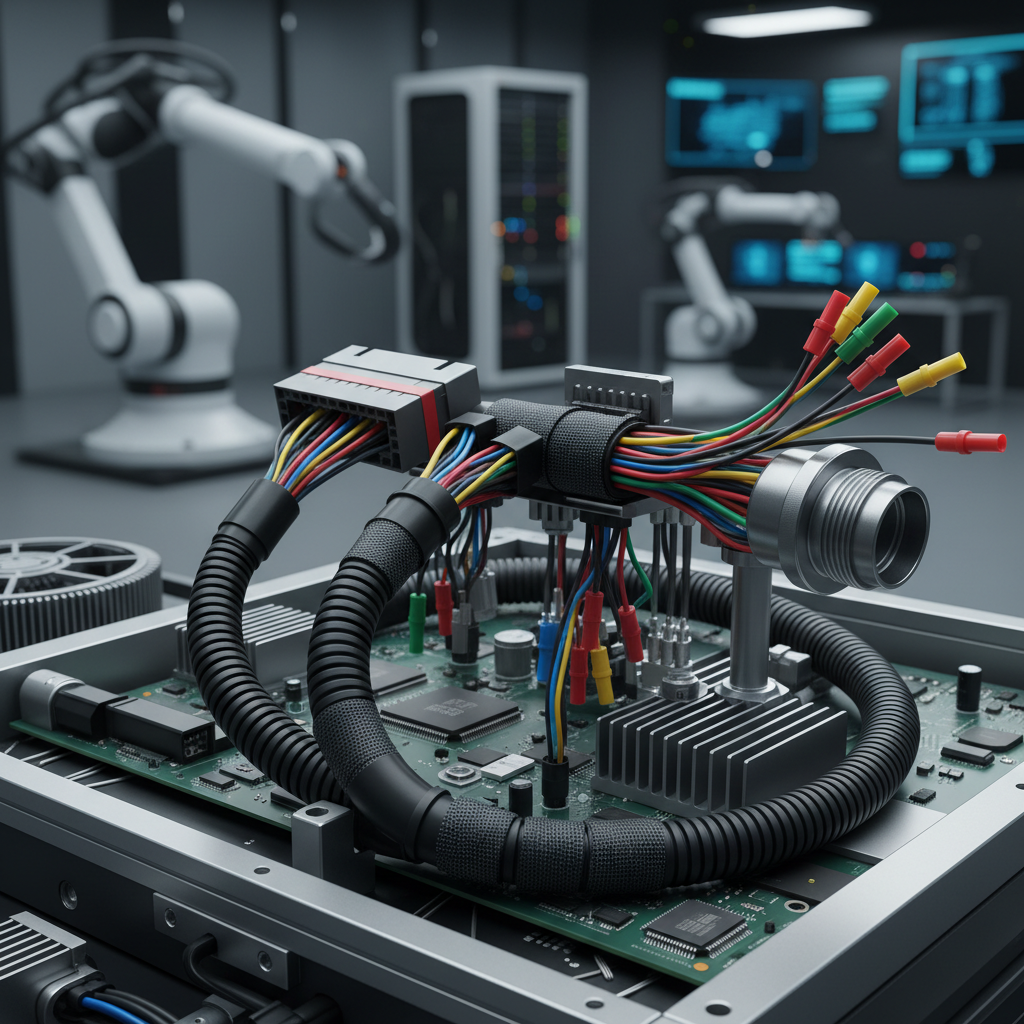
Harness cable assembly is a critical component in various industries, providing a streamlined way to connect electrical systems. It consists of multiple wires bundled together and encased in an outer sheath, ensuring durability and organization. This method not only simplifies installation but also reduces the chances of electrical shorts or damage from environmental factors. Each assembly is tailored to specific applications, making them versatile across sectors like automotive, aerospace, and telecommunications.
The benefits of harness cable assembly extend beyond enhanced connectivity. By minimizing installation complexity, it can significantly reduce labor costs and time. Additionally, standardizing these assemblies improves reliability, as they are designed to meet rigorous industry standards and specifications. Overall, harness cable assemblies optimize project efficiency and foster innovation, allowing engineers and technicians to focus on developing advanced solutions without the burden of extensive wiring challenges.
What is Harness Cable Assembly and Its Benefits for Projects
| Aspect |
Description |
Benefits |
| Definition |
A harness cable assembly is a collection of electrical cables and connectors organized into a single unit. |
Simplifies wiring processes and improves organization. |
| Components |
Includes wires, terminals, connectors, and insulation materials. |
Enhances reliability and reduces the risk of shorts. |
| Industries |
Used in automotive, aerospace, consumer electronics, and industrial machinery. |
Adapts to various application needs and enhances performance. |
| Assembly Process |
Involves cutting, stripping, crimping, and assembling wires and components. |
Ensures consistent quality and reduces assembly time. |
| Quality Control |
Includes testing for electrical continuity and inspections for visual defects. |
Increases product durability and minimizes failures. |
| Cost-Effectiveness |
Reduces labor costs and material waste in production. |
Improves overall project profitability. |
Key Components of Harness Cable Assembly and Their Functions
Harness cable assemblies are integral components in today's complex electronic systems, providing organized and efficient connections within various applications. Key components of these assemblies include wire, connectors, and protective sheaths, each serving a distinct function to enhance performance and reliability. According to a report by Research and Markets, the global cable assembly market is projected to reach $227.27 billion by 2026, driven by the increasing demand for advanced technologies in sectors like automotive and aerospace.
The wires in a harness cable assembly are typically made from copper or aluminum, chosen for their excellent conductivity. Connectors, which serve as junction points, play a crucial role in ensuring secure and effective data transmission. Furthermore, protective sheaths safeguard these components from environmental factors such as moisture and physical abrasion. This level of protection is essential; a study by MarketsandMarkets highlights that the rise in failures due to environmental damage in electronic systems costs the industry approximately $34 billion annually. By utilizing high-quality harness cable assemblies, projects can optimize their performance while significantly reducing the risk of failure.
Benefits of Using Harness Cable Assemblies in Various Projects
Harness cable assemblies play a crucial role in enhancing the efficiency and reliability of various projects across multiple industries. By integrating multiple wires into a single, compact unit, these assemblies simplify the process of wiring and reduce the potential for errors during installation. This organized approach not only saves time but also minimizes the risk of shorts and other electrical issues, leading to improved overall performance of the systems involved.
Moreover, harness cable assemblies provide significant benefits in terms of customization and scalability. They can be tailored to meet the specific requirements of a project, allowing for better alignment with design specifications and operational needs.
This adaptability is particularly advantageous in industries such as automotive, aerospace, and manufacturing, where unique configurations and quick assembly times are essential. By utilizing harness cable assemblies, project managers can enhance productivity, ensure safety standards, and ultimately deliver higher-quality results in their projects.
Best Practices for Designing and Installing Harness Cable Assemblies
When designing and installing harness cable assemblies, adhering to best practices is essential for ensuring efficiency and reliability in your projects. One critical aspect is accurately specifying the components based on the electrical requirements of your application. This involves not only selecting the right materials but also considering factors such as environmental conditions and potential wear over time. For instance, in the context of tractor-trailer electrical connections, maintaining proper equipment and understanding the nuances of the electrical systems can prevent failures and costly downtimes.
Additionally, leveraging advanced tools and technologies can greatly enhance the design process. The use of specialized software for harness-building allows for streamlined documentation and improves modularization, facilitating better integration between different components. This is particularly important as industries continue to seek ways to cut costs without compromising quality. By automating various aspects of the design and installation workflow, companies can enhance productivity, reduce errors, and ultimately achieve a more efficient harness cable assembly process.
Common Applications of Harness Cable Assembly in Different Industries
Harness cable assemblies play a vital role across various industries, providing essential connectivity solutions.
In the consumer electronics sector, they are commonly used in DVD and Blu-Ray players, where they facilitate the seamless transmission of audio and video signals.
Additionally, these assemblies are integral to automotive stereo systems, ensuring high-quality sound delivery in vehicles and enhancing the overall driving experience.
Furthermore, harness cable assemblies find significant applications in gaming consoles and GPS devices.
In gaming, they help in connecting various components for optimal performance, contributing to an immersive gaming experience.
For GPS technologies, they provide reliable connections that ensure accurate location tracking.
As industries continue to evolve, the demand for efficient harness cable assemblies will likely increase, further underscoring their importance in modern technological applications.